The Pentagon has moved to close its dedicated press workspace and will now require journalists to be escorted within the building, a direct response to a federal court ruling that found the Defense Department's previous media policy violated the First Amendment. While announcing it will issue new credentials, the department is simultaneously implementing measures that significantly restrict physical access for the press corps.
Court Ruling Forces Policy Revision
Last week, U.S. District Judge Paul Friedman ruled that the Pentagon's policy requiring journalists to sign agreements limiting how they could solicit and report information was unconstitutional. The ruling came in a lawsuit brought by The New York Times against the Trump administration. Judge Friedman, appointed by President Bill Clinton, wrote that "a primary purpose of the First Amendment is to enable the press to publish what it will and the public to read what it chooses, free of any official proscription." He emphasized that national security depends on a free press and an informed public, a principle he said "has preserved the nation’s security for almost 250 years."
The policy had required reporters to pledge not to obtain or use material—even if unclassified—without defense officials' approval. More than fifty journalists, including reporters from The Hill, refused to sign and subsequently had their press badges revoked in October, largely emptying the press corridor.
Pentagon's Response: Closure and Escorts
Pentagon spokesperson Sean Parnell stated on Monday that the department disagrees with the ruling and will appeal. However, pending that appeal, he has signed a revised press policy that closes the Correspondents' Corridor "effective immediately." This area had served as the primary workspace for journalists inside the Pentagon.
"In assessing the Department’s security posture following the court’s removal of all security screening authority, the Department determined that unescorted access to the Pentagon cannot be responsibly maintained without the ability to screen credential holders for security risks," Parnell said in a statement. He announced that journalists must now be escorted by authorized personnel while in the building, including to and from restrooms. Access without a badge is still permitted but only under escort.
Parnell added that the department plans to establish a new press workspace in an "annex facility" on Pentagon grounds but outside the main building, which "will be available when ready."
Broader Context of Media Access Challenges
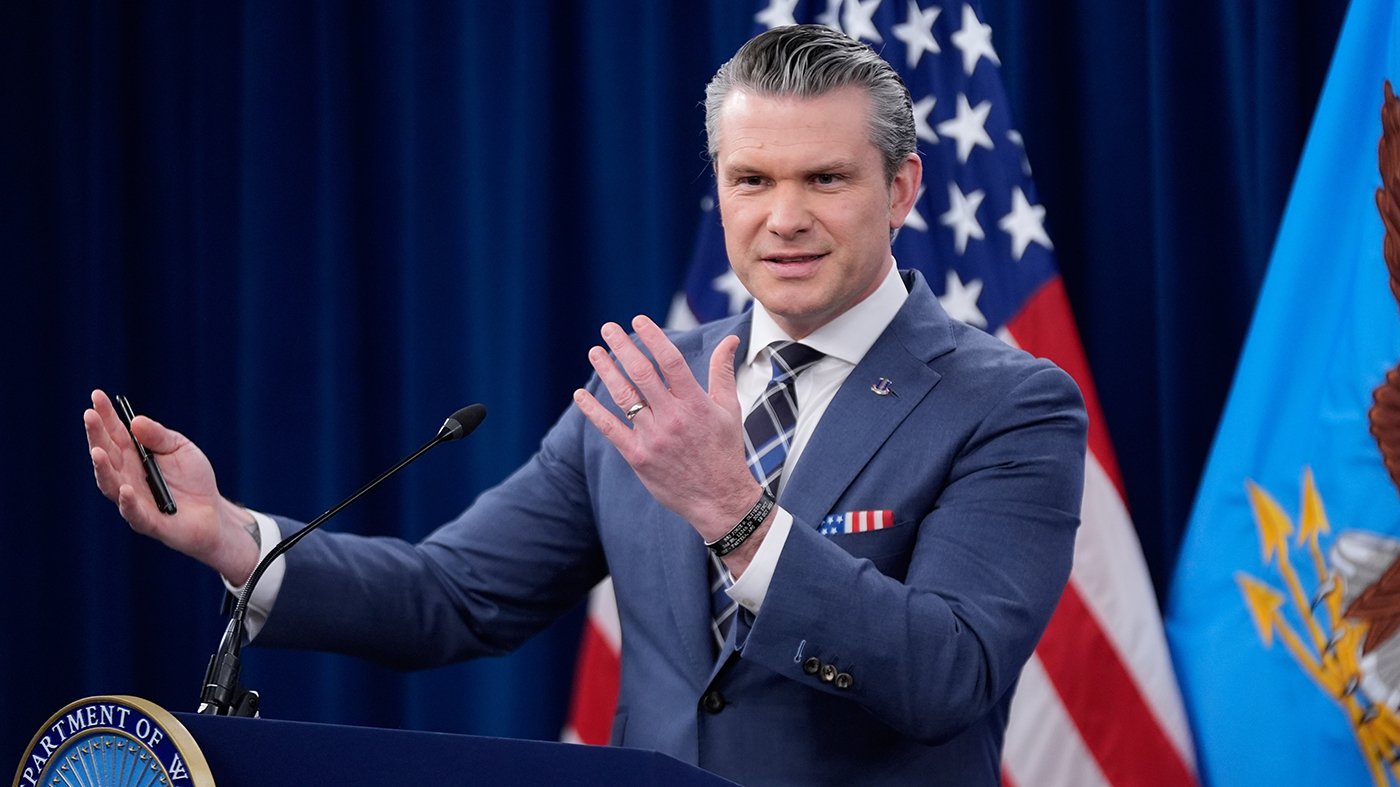
The Pentagon's actions represent the latest flashpoint in ongoing tensions between the federal government and the press. The revised policy appears to be an attempt to maintain control over media coverage within the building after the court dealt a significant blow to Defense Secretary Pete Hegseth's efforts to restrict certain outlets. This case is part of a wider pattern of legal challenges concerning press freedom under the previous administration. For instance, Voice of America journalists previously sued over alleged censorship and propaganda mandates, highlighting systemic conflicts.
Parnell asserted that "the Department remains committed to transparency and to working with credentialed journalists who cover the Department and the U.S. military," while being "equally committed to the security of the Pentagon." He stated the revised policy reflects both commitments.
The legal and political ramifications of challenging executive branch media policies continue to unfold. The judiciary's role in checking such policies was underscored not only in this case but also in other recent rulings, such as when a federal judge struck down the Pentagon's press policy, reinforcing constitutional protections for the press. Furthermore, the political pressure on the judiciary itself remains a subject of scrutiny, as seen when former President Trump portrayed independent judicial rulings as a form of betrayal.
This development at the Pentagon underscores the delicate and often contentious balance between national security concerns and the foundational principle of a free press, a conflict that continues to define the relationship between the government and the media in the post-9/11 era.