Donald Trump has consistently demonstrated a view of the federal judiciary that subordinates its constitutional role as a check on executive power to his personal political demands. When judicial rulings constrain his agenda, he and his allies respond not with legal arguments but with personal invective, framing independent judgment as disloyalty.
A Pattern of Attacks on Judicial Independence
Trump and his officials have repeatedly labeled judges who issue unfavorable rulings with terms like "rogue," "corrupt," and "Radical Left Lunatic." He has accused jurists of carrying out an "insurrection" and described them as "USA hating judges" with a "sick" ideology. This rhetoric persists despite a Supreme Court where three of his own appointees have formed a core part of a conservative majority that has delivered significant victories for his political project, including overturning Roe v. Wade.
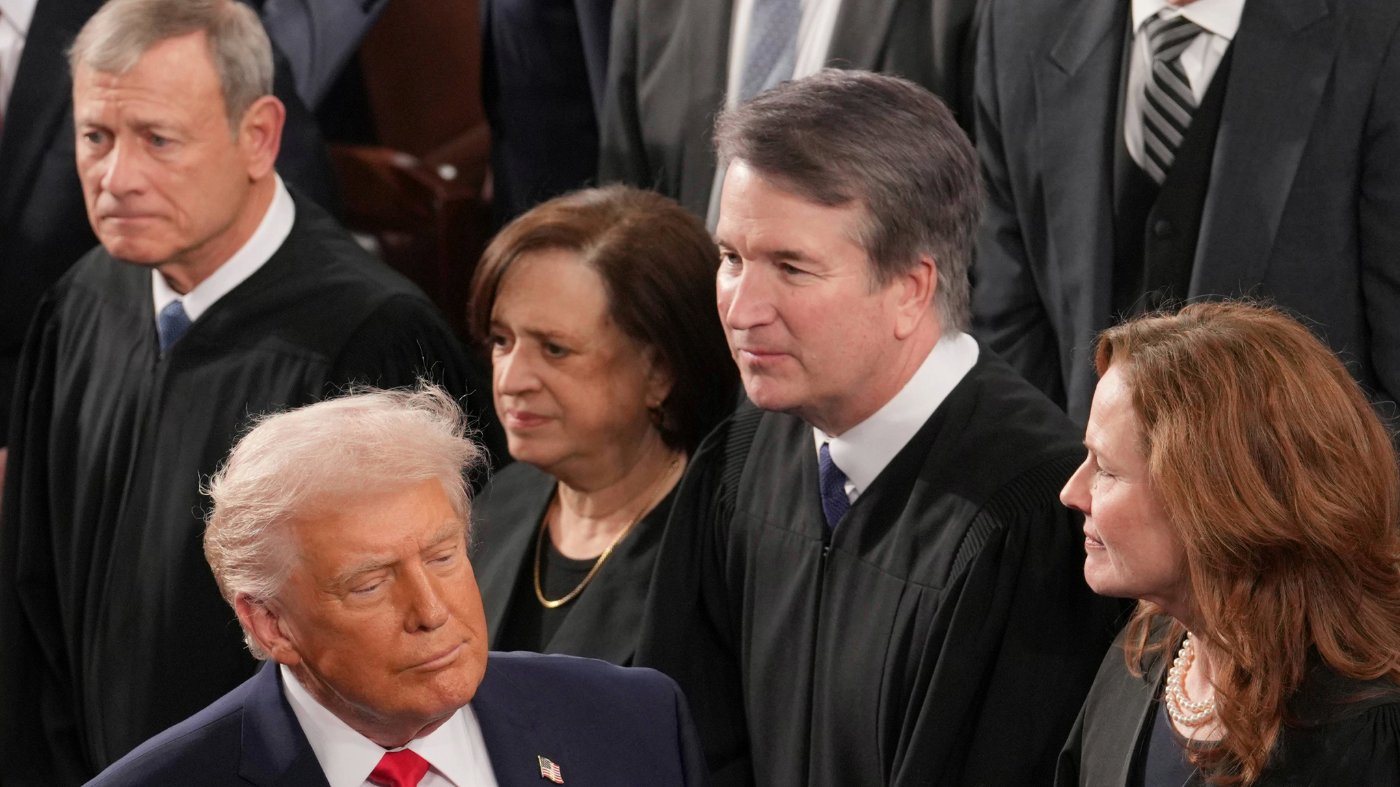
Even this alignment is insufficient for a figure who demands absolute fealty. When Trump-appointed Justice Amy Coney Barrett ruled contrary to the administration's wishes, she faced vicious attacks from MAGA-aligned judicial activists. Similarly, after Barrett and Justice Neil Gorsuch joined a ruling against Trump's tariff policies, he called them "an embarrassment to their families" and suggested they were "swayed by foreign interests."
Rising Threats and a Weaponized Bench
This hostile rhetoric has coincided with a documented increase in threats and harassment against federal judges and their families since Trump's return to political prominence. Chief Justice John Roberts recently warned that such personal attacks "can actually be quite dangerous," highlighting the tangible security risks. Trump's transactional view was crystallized in a complaint about a judge he appointed who ruled against deploying National Guard troops: "I appointed the judge and he goes like that — I wasn’t well served."
This perspective fundamentally contradicts the judicial duty to serve justice, not a president. As noted by Judge Esther Salas, whose son was murdered, such comments suggest judges owe "loyalty to a political leader, not to all Americans." Trump recently reaffirmed this stance in a social media rant, mocking the concepts of judicial honesty and independence while expressing anger that justices appointed by Republican presidents would ever rule against him.
His dissatisfaction is now shaping judicial nominations. He is elevating individuals like political enforcer Emil Bove, confirmed to the Third Circuit, and personal defense lawyer Justin Smith, nominated to the Eighth Circuit. Many potential second-term nominees refuse to acknowledge President Biden's 2020 victory or label the January 6 Capitol assault as an attack, signaling a loyalty test that supersedes conventional qualifications. This approach to staffing the courts mirrors other transactional policy moves by his team, such as the deal to swap offshore wind projects for LNG approvals.
The Stakes for American Governance
The consequences are already apparent, with Trump-nominated judges issuing rulings that weaken protections for families, workers, and consumers. Allowing him to spend years populating the bench with loyalists whose primary allegiance is to him rather than the law would represent a profound shift in the third branch's role. The Senate faces a critical choice: continue confirming such nominees or uphold judicial independence. If senators fail to act, the argument follows, voters should replace them.
This confrontation over the courts occurs against a backdrop of other high-stakes Trump-era policies, from the extended ultimatums to Iran that rallied markets to internal disputes over governance, like when Voice of America journalists sued the administration over alleged censorship mandates. The common thread is a demand for institutional subservience to political will.
Trump has explicitly outlined his vision for the judiciary as an extension of his political arsenal. The response from the Senate and the electorate will determine whether that vision prevails, with lasting implications for the balance of power and the rule of law in the United States.