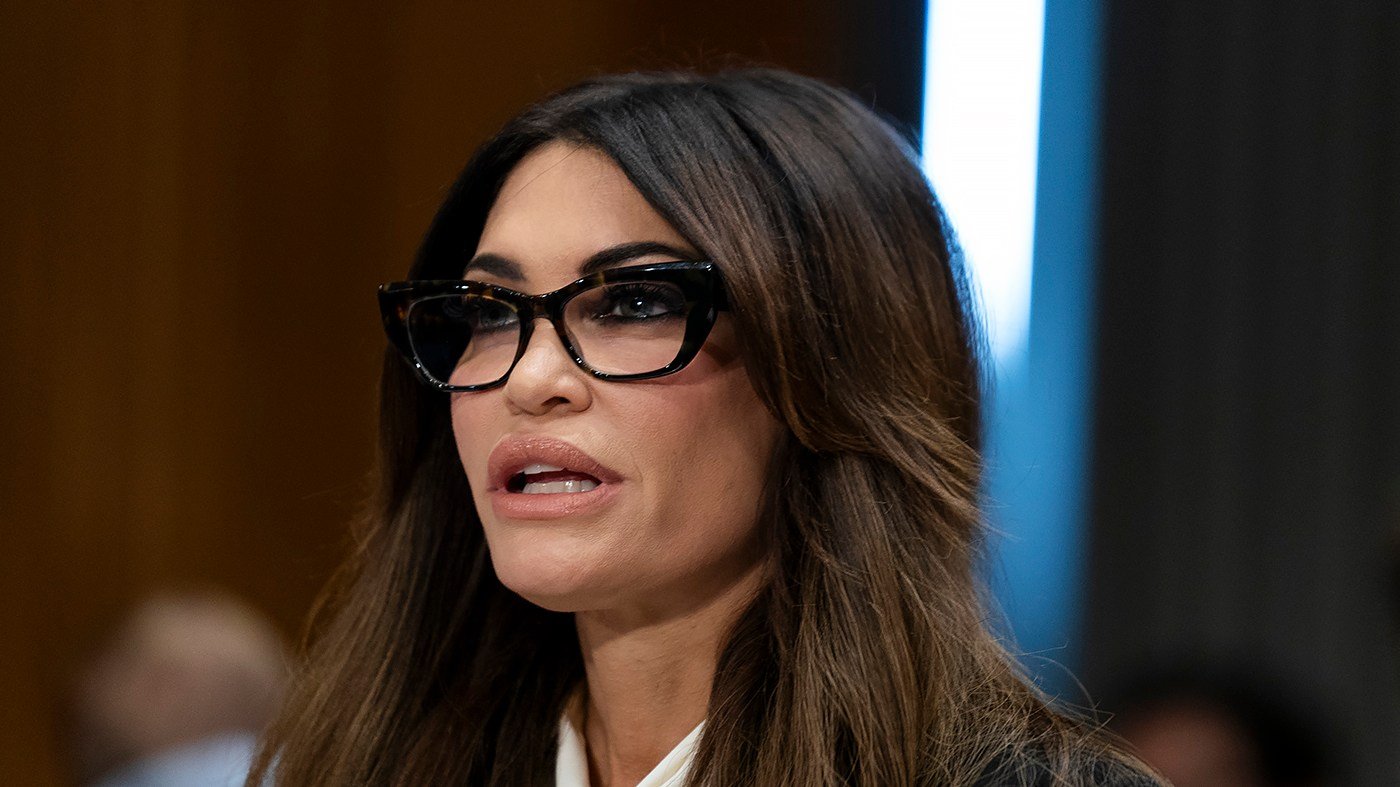
The Trump administration is confronting a fresh ethics storm as Ambassador to Greece Kimberly Guilfoyle faces allegations that she sought to have a political donor cover her personal credit card debt in exchange for access to the president's inner circle. The accusations, first reported by The Wall Street Journal and detailed in text messages obtained by NewsNation, have intensified scrutiny on a White House already wrestling with questions about the conduct of several close advisers.
According to the messages, Guilfoyle asked Eric Deters, a Republican donor, to wire $100,000 to American Express in early July 2025, just days before her Senate confirmation hearing. In a Signal message dated July 3, she wrote, "It won't show up anywhere if you wire money to American Express," a request that Deters claims was coupled with a promise to be his "ride or die in Trump world" if he complied. Deters has compiled a dossier, which he shared with NewsNation, detailing the exchange.

Guilfoyle's lawyer, Jesse Binnall, disputed the authenticity of the messages but offered no specifics, telling the Journal that she was owed money for speaking engagements, a claim Deters has denied. The State Department's Office of Inspector General is reportedly investigating complaints about Guilfoyle's conduct at the U.S. Embassy in Athens, according to The Daily Mail, though the office declined to comment.
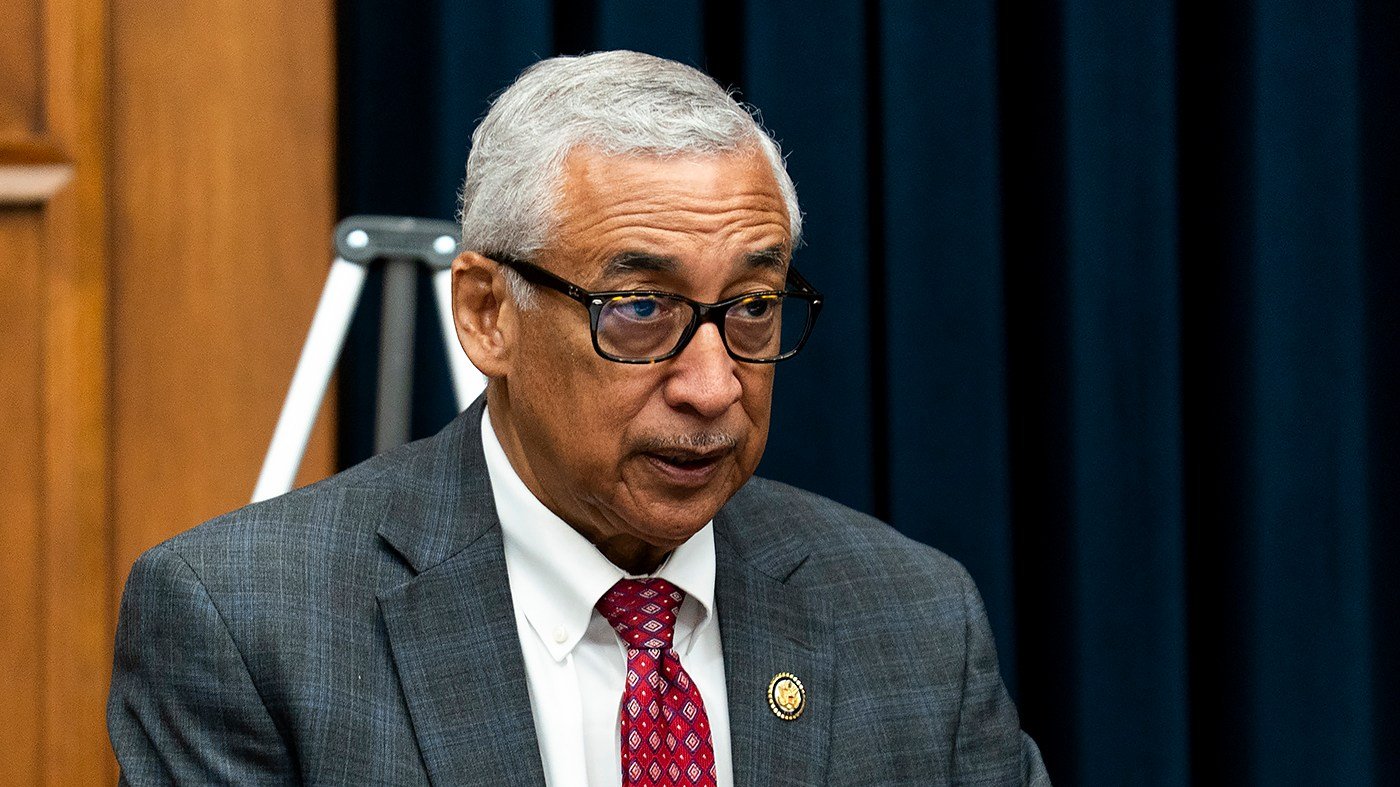
The controversy has drawn sharp rebukes from Democrats and ethics watchdogs. Rep. Gregory Meeks (D-N.Y.), ranking member on the House Foreign Affairs Committee, called the reports "deeply concerning" and demanded answers from Secretary of State Marco Rubio, adding that Guilfoyle is "unfit to represent the United States abroad" if the allegations prove true. Rep. Don Beyer (D-Va.), a former ambassador, went further, posting on X that she "must be fired and if she broke the law, which seems highly likely, prosecuted."
Secretary Rubio, who was on a diplomatic trip to Greece when the story broke, brushed off questions, saying, "Our job is not to respond every time someone decides to give the media something without any advance warning." But one person involved in U.S.-Greece relations described the situation to The Hill as a "clown show" that tainted Rubio's otherwise successful visit, even if it is unlikely to damage the long-standing bilateral ties.
The Guilfoyle scandal is not an isolated incident. It follows a report by The New York Times that two other Trump advisers, James Blair and Chris LaCivita, were paid to advise a pro-Russia political party in Republika Srpska, a self-governing territory in Bosnia and Herzegovina. President Trump publicly rebuked them, calling them "outside consultants" and threatening to "terminate them, immediately!" if a conflict of interest emerged. He has not commented on Guilfoyle's case.
Adding to the pattern, Jared Kushner, the president's son-in-law and a top envoy for peace negotiations, has faced scrutiny over potential conflicts between his government role and his personal business interests. A September profile in The New Yorker detailed overlapping financial entanglements, and a donor who rebuffed Guilfoyle has criticized the family's crypto profits, highlighting the growing unease among even some Republican supporters.
Donald K. Sherman, president of the ethics watchdog Citizens for Responsibility and Ethics in Washington (CREW), argued that Rubio must demand a full investigation. "Guilfoyle's alleged conduct is emblematic of the dangers posed when government officials cozy up to wealthy political interests as President Trump and his appointees have done time and time again," he said. "Influence seekers gaining financial leverage over American officials and diplomats is an unacceptable national security risk."
The mounting allegations come as the administration faces broader questions about the intersection of money and power. A nude gold Trump statue at the EU Parliament drew ire from Slovak PM, but the more serious issue remains the potential for foreign influence. As one source put it, the message from these scandals is that "we're the merchants," suggesting that access to the Trump world can be bought.
Lawmakers and former diplomats have called for Guilfoyle's removal, and the White House has yet to respond to The Hill's request for comment. The coming weeks will likely determine whether the administration can contain the fallout or whether this becomes another chapter in the ongoing debate over ethics in Trump's inner circle.