Reconciliation Maneuver for ICE Funding Creates Legislative Bottleneck
Republican congressional leaders are pursuing a high-stakes legislative strategy that threatens to consume one of their final opportunities to pass party-line bills before the midterm elections. The plan involves using the special budget reconciliation process to secure funding for Immigration and Customs Enforcement (ICE) and Border Patrol, a move intended to bypass Democratic opposition but one that complicates the GOP's ability to advance other stated priorities.
Narrow Bill, Broad Consequences
Facing a June 1 deadline set by former President Donald Trump to end the Department of Homeland Security shutdown, GOP leaders aim to keep the reconciliation bill focused solely on border enforcement agencies. This narrow approach, however, forces the postponement of other conservative goals originally slated for inclusion. These include voting reform measures, Pentagon funding increases related to the Iran conflict, and cuts targeting fraud in federal programs. The decision to prioritize speed over scope reflects the acute political pressure to resolve the DHS funding impasse but comes at a significant cost to the broader Republican agenda.

"Speed is the most important thing. Speed so that we have ICE and CBP fully funded," stated Representative Randy Fine, a Florida Republican and member of the House Freedom Caucus. "There's lot of things we would like to do, but given that we've already established there will be a third reconciliation bill, whether it's in 2.0 or 3.0, we'll still get it done."
From One Bill to Three
The tactical shift represents a significant scaling back of initial ambitions. Senate Budget Committee Chair Lindsey Graham had originally envisioned a single, comprehensive reconciliation package. He now outlines a two-step plan: a "quick" bill for ICE and border funding, followed by a fall bill addressing voter reforms and anti-fraud measures, which he described as a "down payment on the SAVE Act." This fragmentation underscores the growing consensus that achieving all Republican priorities will require not two, but three reconciliation bills—a prospect that grows more difficult as the election approaches.
Adding to the complexity, the Pentagon has reportedly requested a $200 billion supplemental, and the White House budget proposal on Friday suggested approximately $350 billion in defense spending through reconciliation to bolster munitions and the defense industrial base. If Graham attempts to attach this defense funding to the ICE-focused bill, it would trigger demands from fiscal conservatives for offsetting cuts, further complicating the path to reopening DHS.
Internal Skepticism and Electoral Calculus
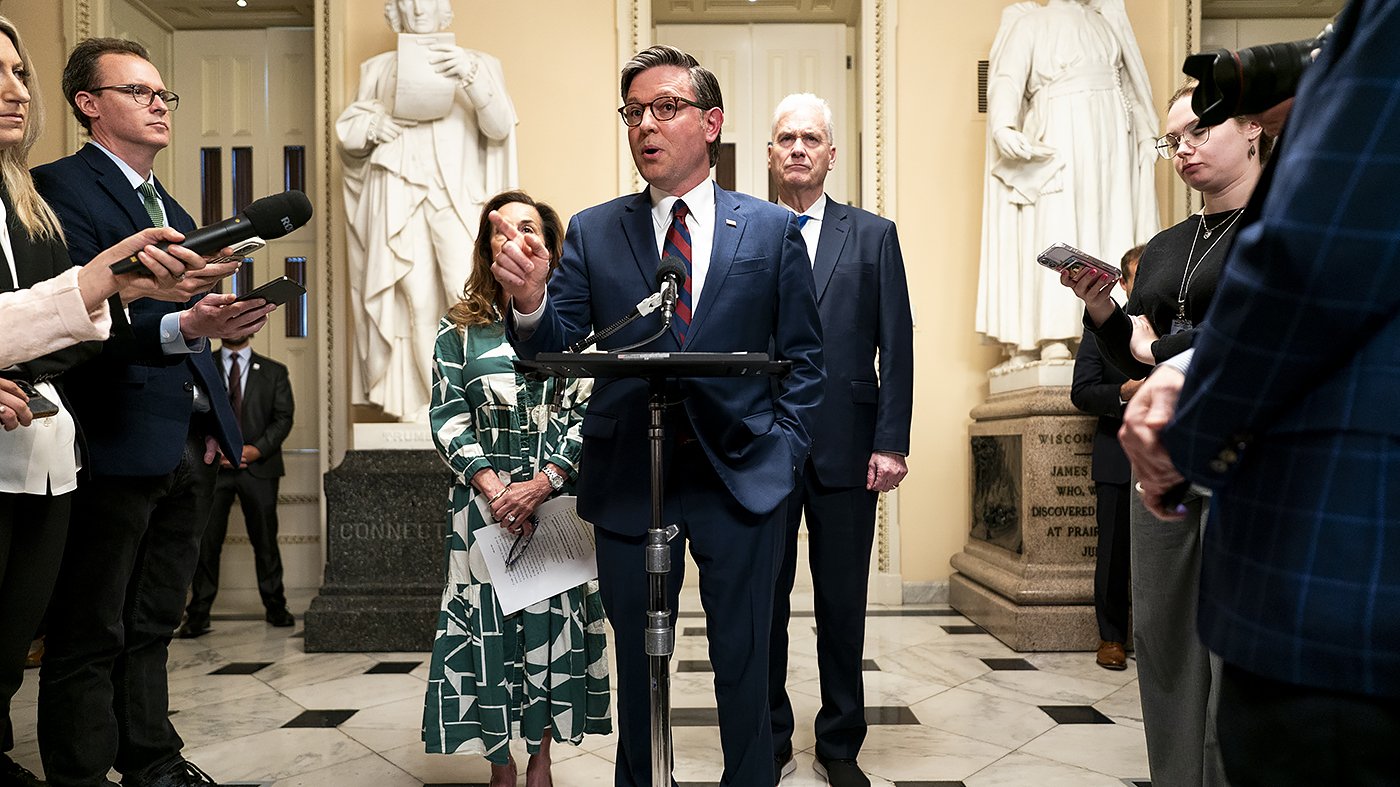
The reconciliation process, which allows legislation to pass the Senate with a simple majority, was used successfully last year for major tax and spending bills. Because it can typically be used once per fiscal year, Speaker Mike Johnson has long advocated for one or two more party-line bills before this Congress ends. However, internal skepticism about this plan predates the current DHS fight.
House Budget Committee Chair Jodey Arrington expressed doubt last month about moving a reconciliation package past spring, noting, "The closer we get to November, the more sensitive some of our members will be." This electoral sensitivity is exacerbated by competing demands within the conference: fiscal hawks insist on spending cuts, while moderates resist unpopular reductions in an election year. With a razor-thin majority, Republicans can afford to lose no more than one vote on any party-line measure in the House.
Procedural Hurdles and Political Demands
Every additional priority added to the ICE funding bill introduces procedural delays, requiring more committee input, hearings, and negotiations. Senate Majority Leader John Thune acknowledged these challenges, stating his desire to keep the bill as "narrow" as possible. "The other things implicate other committees and create jurisdictional challenges and germane issues on the floor," Thune told reporters. "Our theory of the case behind all this was to keep that thing as narrow and focused as possible."
Furthermore, a significant bloc of House Republicans is conditioning their support for a separate, bipartisan Senate bill to fund the rest of DHS on the prior passage of the ICE reconciliation bill. This hardline stance, which initially led Speaker Johnson to reject the Senate bill as a "joke" before he reversed course, creates a sequential hurdle. As Rep. Fine argued, "There's no desire to pass the Senate open borders bill and then hope that we get a reconciliation bill that would close the border. They've got to come together." This dynamic has exposed deep rifts within the party, pitting leadership against its most conservative members.
The GOP's reconciliation gambit, therefore, represents a calculated risk. It seeks a short-term victory on a core issue for the Republican base but potentially at the expense of a broader legislative legacy. As the political calendar advances, the window for achieving those deferred priorities—from defense spending to election integrity—narrows considerably, setting the stage for intensified internal conflict and a constrained policy runway ahead of November.