Local Resistance to Federal Detention Expansion
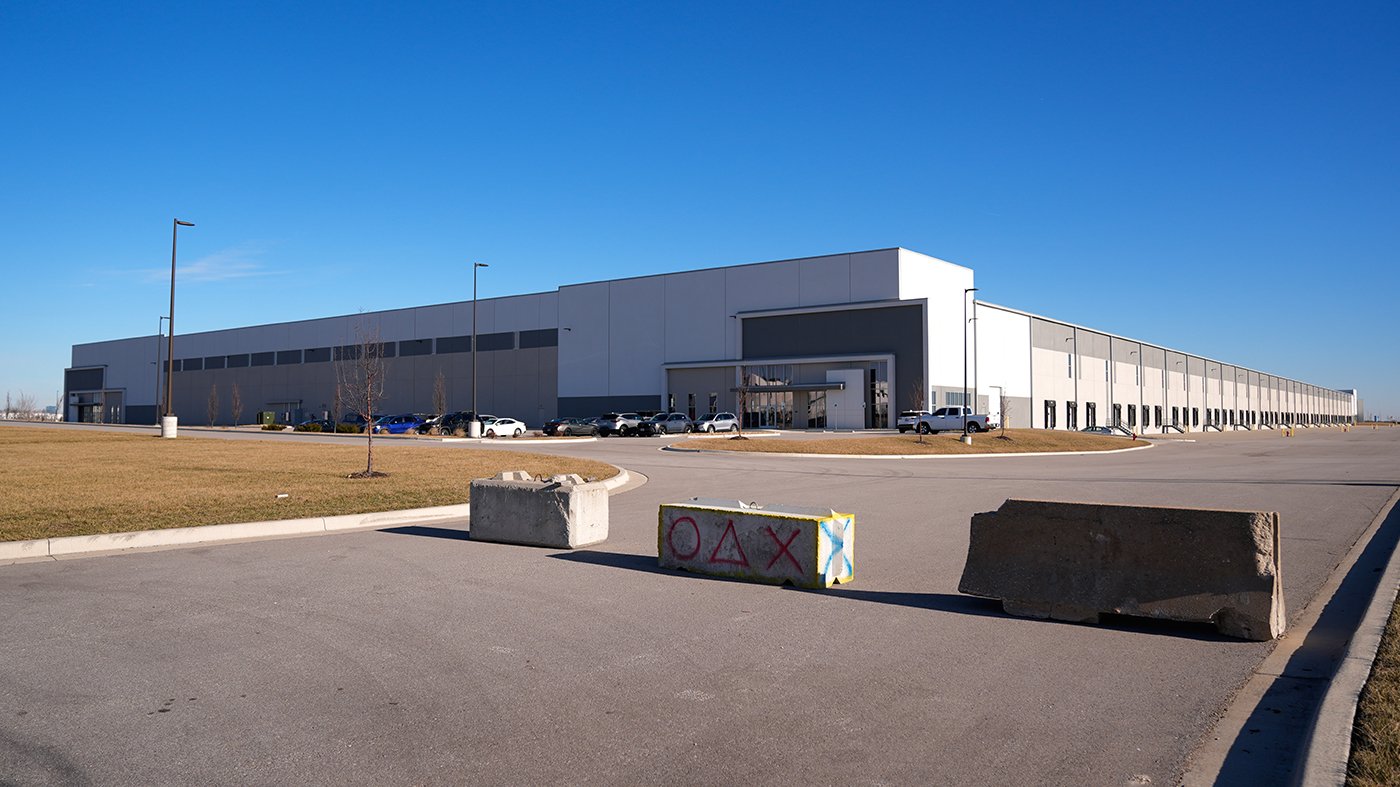
The Department of Homeland Security is facing significant local opposition to its ambitious plan to expand immigration detention capacity, even in communities that voted overwhelmingly for President Trump. In Social Circle, Georgia, where residents supported the president by wide margins, city officials have taken the extraordinary step of cutting off water and sewage services to a massive warehouse property purchased by DHS for conversion into a detention facility holding thousands.
"We're against it," said Social Circle City Manager Eric Taylor. "Having something come in like this is just really a different dynamic than what this particular community is about." The city notified Immigration and Customs Enforcement in February that it had suspended utilities until the agency could demonstrate how it would operate "without exceeding our limited infrastructure capacity."
A National Pattern of Opposition
Social Circle represents just one example of a broader national trend. As DHS moves forward with a $38.3 billion initiative to add 92,600 detention beds nationwide, communities across the political spectrum are resisting having these facilities in their jurisdictions. Similar pushback has emerged in New Jersey, Arizona, Mississippi, and New York, where local officials cite concerns about infrastructure strain, emergency services, and community character.
"Just not in their backyard. They're fine with it somewhere else, they just don't want it back here," observed Social Circle Council member Tyson Jackson, describing what appears to be a common sentiment even in reliably conservative districts.
Federal Plans and Local Information Gaps
According to documents released by ICE in February, the agency aims to establish eight large-scale detention facilities capable of holding 7,000 to 10,000 detainees each for periods under 60 days, along with 16 smaller regional processing centers for up to 1,500 detainees. The department has already purchased warehouse properties in eight states including Arizona, Georgia, Maryland, Michigan, New Jersey, Pennsylvania, Texas, and Utah.
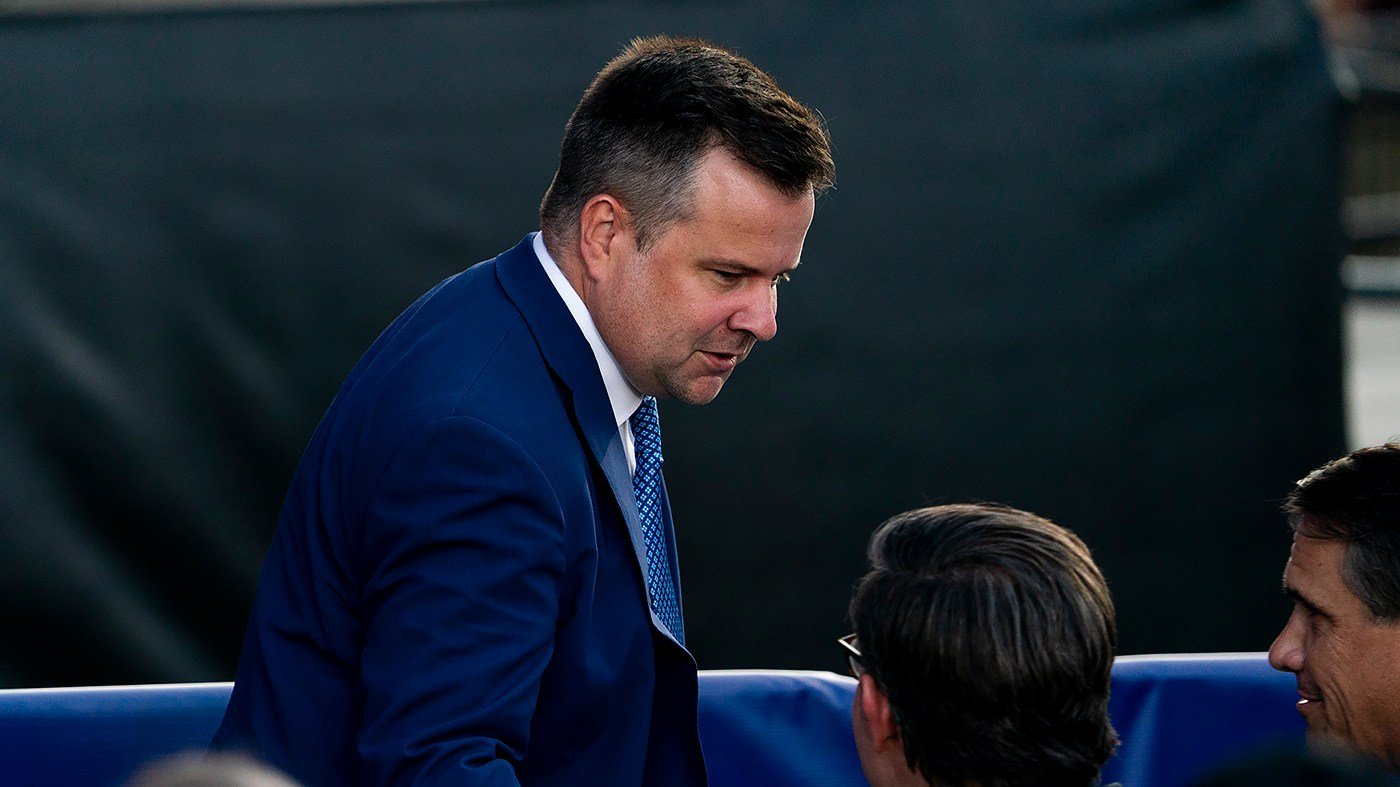
Local officials report being largely kept in the dark about these plans. "We had no idea this was coming," said Traysa Price, mayor pro tempore of Social Circle. "Of yet, we still don't know. We don't know the plan. I don't know if children gonna be housed over there. All I know is the building was purchased."
Administrative Shifts and Community Relations
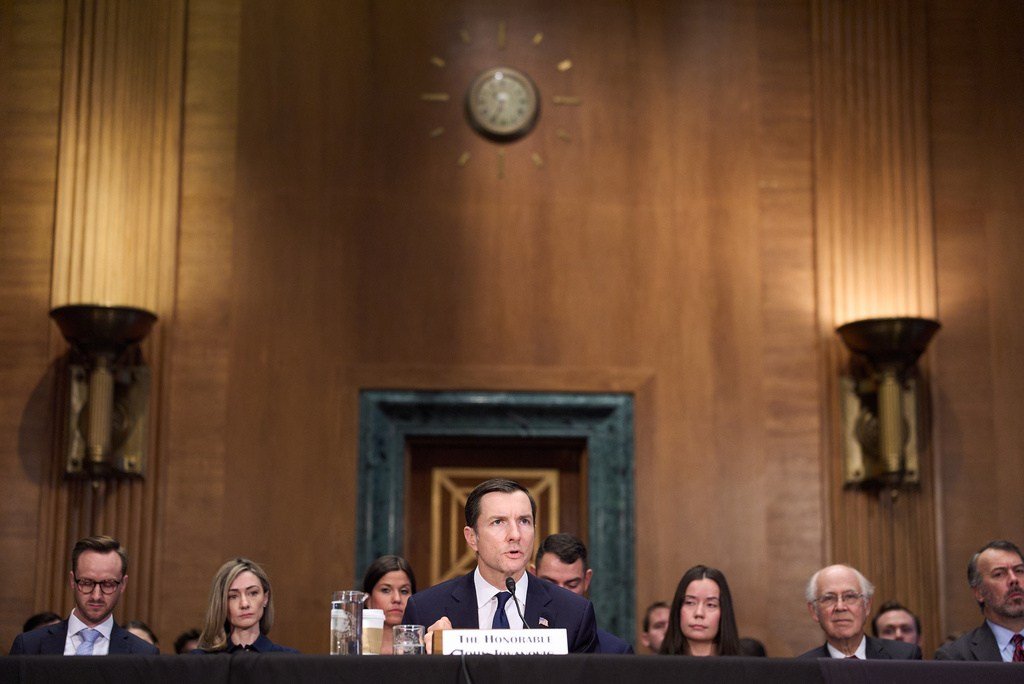
The DHS appears to be reassessing its approach following the swearing-in of new Homeland Security Secretary Markwayne Mullin, who replaced former Secretary Kristi Noem after she was fired by President Trump. The agency announced it is pausing new facility purchases and reviewing contracts signed under the previous leadership. A DHS spokesperson noted Mullin's commitment during his confirmation hearing to work collaboratively with community leaders.
However, local officials remain skeptical based on their experiences. B.R. White, city manager of Oakwood, Georgia—where DHS purchased another warehouse for processing—said federal agencies have made no effort to engage with local government. "They're signaling that 'we're going to do this and to hell with you people,'" White told reporters.
The Oakwood City Council passed a resolution in March prohibiting DHS and ICE from proceeding with their plans until comprehensive impact studies are completed and the agencies respond fully to Freedom of Information Act requests. The council sent the resolution to federal authorities but has received no response.
White expressed doubt about whether the new administration's rhetoric would translate into meaningful collaboration. "Past behavior is an indication of future performance," he said, adding that he believes DHS will eventually move forward with its original plans once the current pause ends. "We don't know what to believe at this moment."
The standoff in Georgia occurs against a backdrop of other contentious national security decisions by the administration, including the naval blockade of the Strait of Hormuz following collapsed negotiations with Iran. Meanwhile, the administration continues to face criticism for its approach to domestic policy matters, having recently voided six Title IX settlements on gender identity, setting a significant legal precedent.
For now, officials in both Georgia communities say they will continue resisting the detention facilities. Taylor acknowledged that better communication from federal authorities would be "stepping in the right direction" but emphasized that "does not change our opinion at all about the building." The fundamental concerns about infrastructure capacity and community impact remain unresolved as the federal government's detention expansion plans face growing local resistance across the country.