New federal data from the Bureau of Labor Statistics reveals a stark wage divide: eight of the ten largest occupations in the United States pay below the national average of $69,770 per year. The findings, based on May 2025 estimates covering more than 800 job categories, show that over 30 million Americans work in these roles—many earning far less than the all-occupation mean.
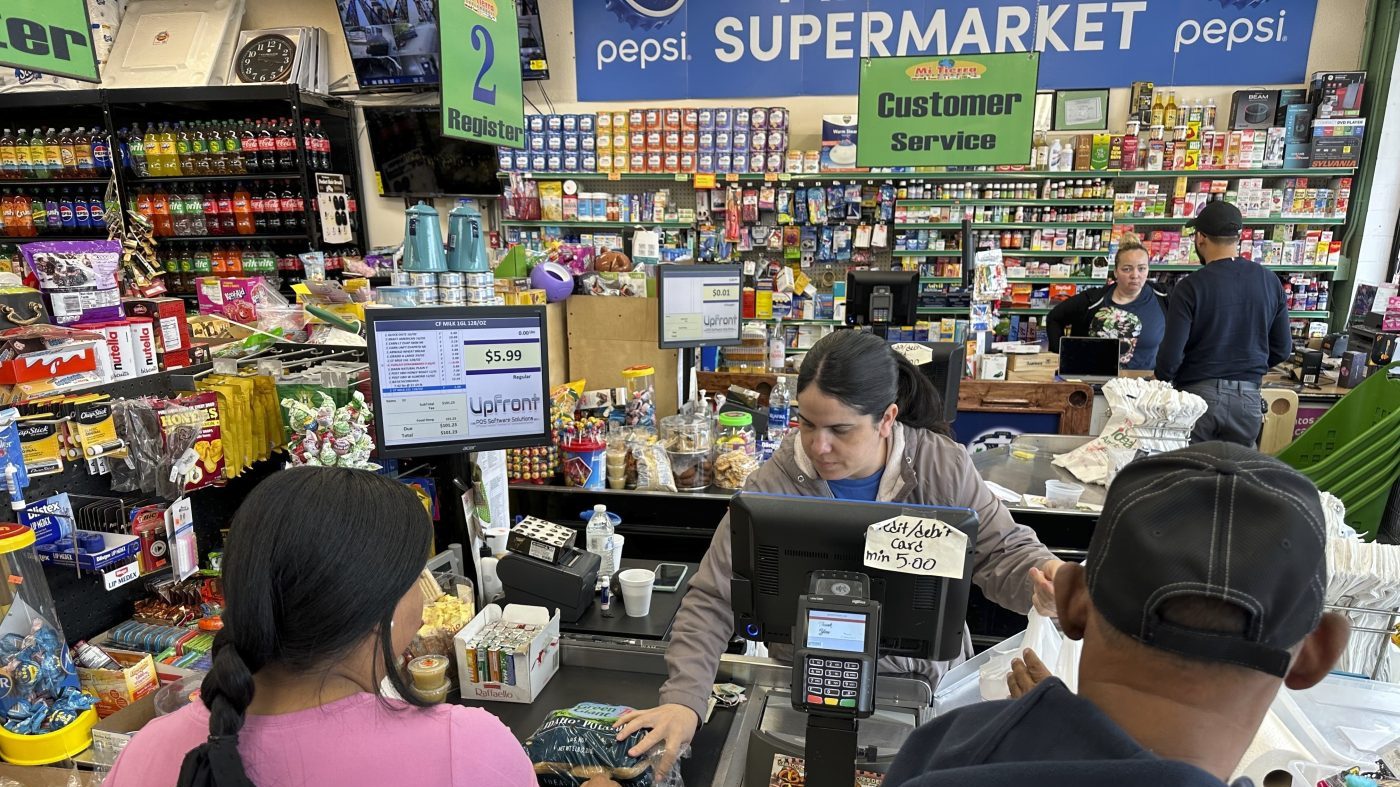
Home health and personal care aides, the nation's largest occupation with 4.3 million workers, earn an average of $36,120 annually—just over half the national figure. Fast food and counter workers, employing 3.9 million, bring in $32,150. Cashiers are not far behind at $33,180, while retail salespersons average $37,310. Customer service representatives earn $46,590, and office clerks take home $46,420. Laborers and stockers fall in the $39,000–$42,000 range.

Only two of the top ten occupations exceed the national average: registered nurses, with 3.4 million workers earning $101,420, and general and operations managers, who average $134,940 across 3.5 million jobs. These roles typically require advanced degrees or significant experience, contrasting sharply with the caregiving and service jobs that dominate the list.
The data underscores a persistent structural issue in the U.S. labor market: the most common jobs are concentrated in low-wage sectors like retail, food service, and home care. These positions often lack the bargaining power or educational requirements that drive higher pay in specialized fields. Meanwhile, the highest-paying occupations—such as pediatric surgeons, who earn $502,050—employ only about 1,200 people nationwide.
Wage Disparities and Policy Implications
The gap between common and high-paying jobs has implications for household financial stability and policy debates. With inflation still a concern, below-average wages in major occupations mean millions of families struggle to meet basic needs. The BLS estimates include tips and commissions but exclude overtime and most bonuses, so actual take-home pay may be even lower for many workers.
Policymakers have shown interest in addressing these disparities. For instance, recent moves like nine Democrats urging President Trump to commute federal marijuana sentences reflect broader concerns about economic justice. Similarly, debates over federal contracting and labor protections—such as the quiet dismantling of federal harassment protections—could affect working conditions in these low-wage sectors.
Median vs. Mean: A Deeper Look
The BLS data also highlights the difference between mean and median wages. The national median across all occupations is $50,980—meaning half of all workers earn less than that. For the largest jobs, medians are even lower: fast food workers have a median of $31,200, home health aides $35,800, and cashiers $32,880. This suggests that many workers in these fields earn near the bottom of the pay scale.
The concentration of low-wage work in caregiving and service roles raises questions about the future of labor policy. With 4.3 million home health aides alone, any changes to federal wage standards or immigration rules—such as debates over China sanctions and accountability—could ripple through these sectors. The BLS will release updated data in early 2026, which may show whether trends are shifting.
For now, the numbers paint a clear picture: America's most common jobs are also its most underpaid, leaving tens of millions of workers earning well below the national average while the highest-paid professions remain out of reach for most.