A coalition of nine Democratic lawmakers has formally called on President Trump to exercise his clemency power and commute the sentences of federal inmates convicted of non-violent marijuana offenses. The request comes on the heels of the administration’s recent decision to reclassify marijuana from a Schedule I to a Schedule III drug, a shift the lawmakers say falls short of addressing the plight of those currently incarcerated.
In a letter addressed to Trump and “pardon czar” Alice Johnson, the legislators argued that the Bureau of Prisons is grappling with severe capacity issues. “The Bureau of Prisons (BOP) is plagued by capacity issues, both overcrowded and understaffed,” they wrote. “While it won’t solve the structural issues that have led us here, we believe that commuting the sentences of people with marijuana offenses would both address the overly harsh sentences while simultaneously allowing BOP to focus resources where they are needed most.”
The lawmakers also stressed the importance of reentry services for those released. “Those serving unjust marijuana sentences should be provided with support services to ensure they have a successful reentry after years of incarceration,” the letter stated. “Unfortunately, often those with life sentences cannot access reentry services. In order to prevent recidivism, we also urge you to order BOP to provide such services to people serving marijuana sentences.”
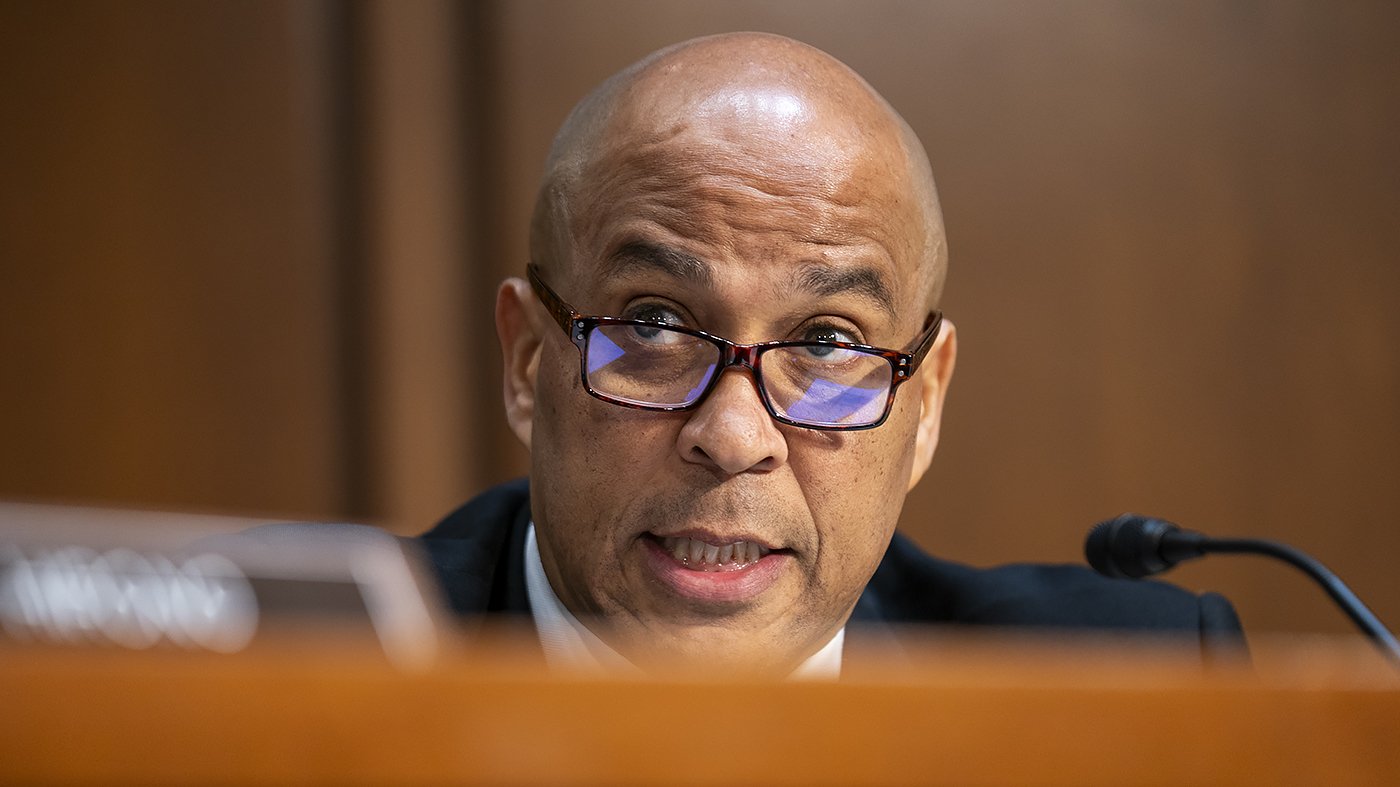
The signatories include Senator Cory Booker of New Jersey and Representatives Steve Cohen of Tennessee, Steven Horsford of Nevada, Troy Carter of Louisiana, Rashida Tlaib of Michigan, Shri Thanedar of Michigan, Bonnie Watson Coleman of New Jersey, Jonathan Jackson of Illinois, and Henry Johnson Jr. of Georgia. Their appeal underscores a broader push within the Democratic Party to leverage executive action on criminal justice reform.
According to the lawmakers, public opinion is firmly behind reform, with nearly nine in ten Americans supporting legalization for medical or recreational use. They acknowledged Trump’s rescheduling move as impactful but insisted it does not help those already behind bars. “Rescheduling marijuana does not provide relief for anyone currently in federal prison from a marijuana conviction,” they wrote.
The group urged Trump to use his constitutional authority to issue a categorical commutation, noting that “those convicted of marijuana offenses face disproportionately long sentences.” Citing data from the U.S. Sentencing Commission, they estimated that roughly 3,000 individuals remain federally incarcerated for marijuana trafficking, many serving mandatory minimum sentences of five years or longer.
Trump has taken limited steps on this front before. Earlier this year, he pardoned one person convicted on marijuana charges and commuted another inmate’s sentence. In 2024, he also commuted a sentence for a marijuana-related offense. The White House did not immediately respond to a request for comment on the latest letter.
The request arrives amid broader debates over criminal justice and executive power. In a related context, the Trump administration has mandated new nondisclosure agreements for federal workers to curb leaks, a move that has drawn scrutiny from civil liberties advocates. Meanwhile, the president’s recent cabinet gathering at Camp David amid fallout from Iran strikes highlights the administration’s focus on national security.
For the Democratic lawmakers, the marijuana clemency push is part of a larger effort to reshape sentencing policy. They argue that a categorical commutation would not only correct past injustices but also allow the BOP to concentrate on more serious threats. As the political landscape shifts, the pressure on Trump to act on this issue is likely to intensify.