Speaking to business leaders in San Antonio, Environmental Protection Agency Administrator Lee Zeldin argued the Trump administration has successfully balanced environmental protection with economic growth. “You don’t have to choose between one or the other,” Zeldin stated, framing recent regulatory changes as evidence of this philosophy.
Flaring Rule Change at Center of Debate
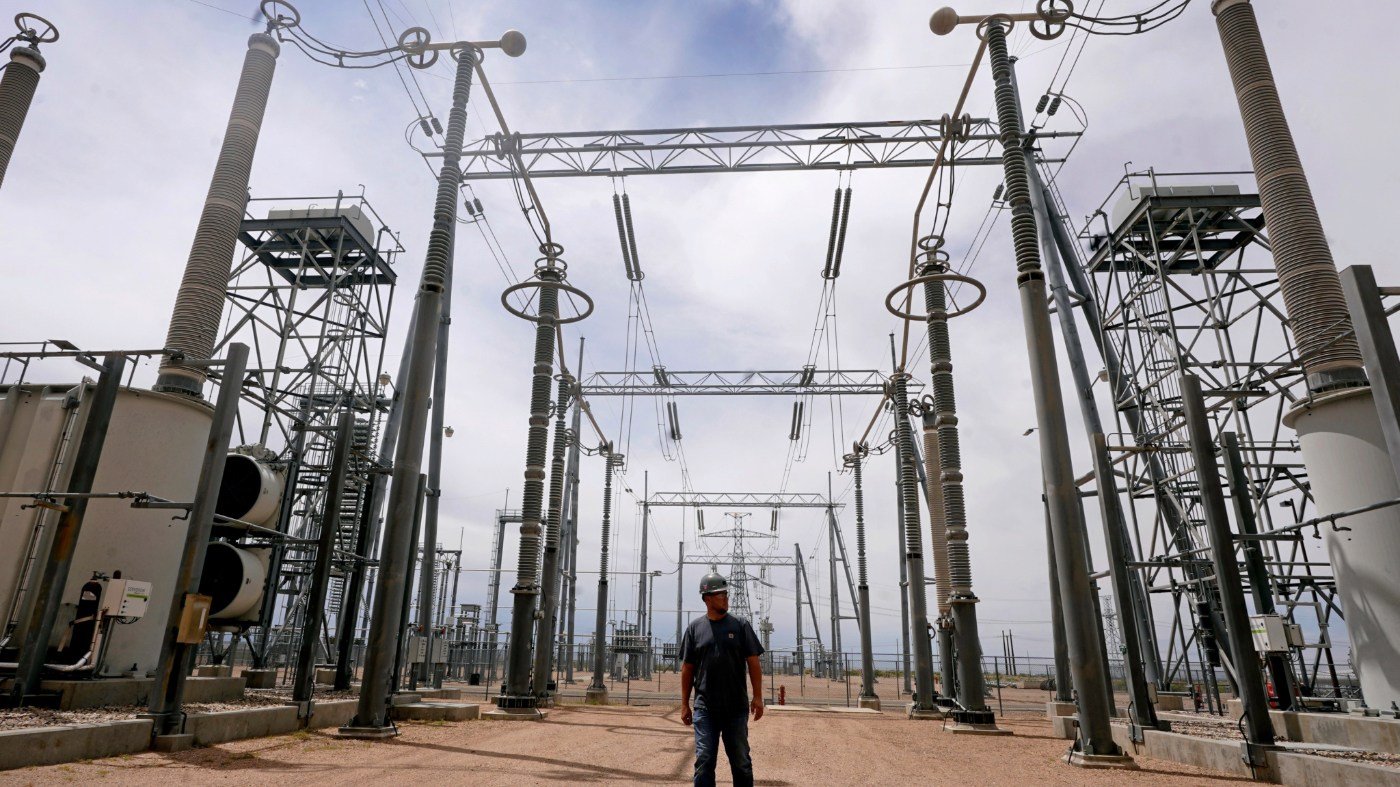
Zeldin highlighted a proposed reversal of a Biden-era regulation that limited the flaring of excess natural gas at wellheads. The original rule, part of Clean Air Act enforcement, generally prohibited routine flaring except during 24-hour maintenance windows. The EPA now proposes extending that window to 72 hours, with additional allowances for bad weather.
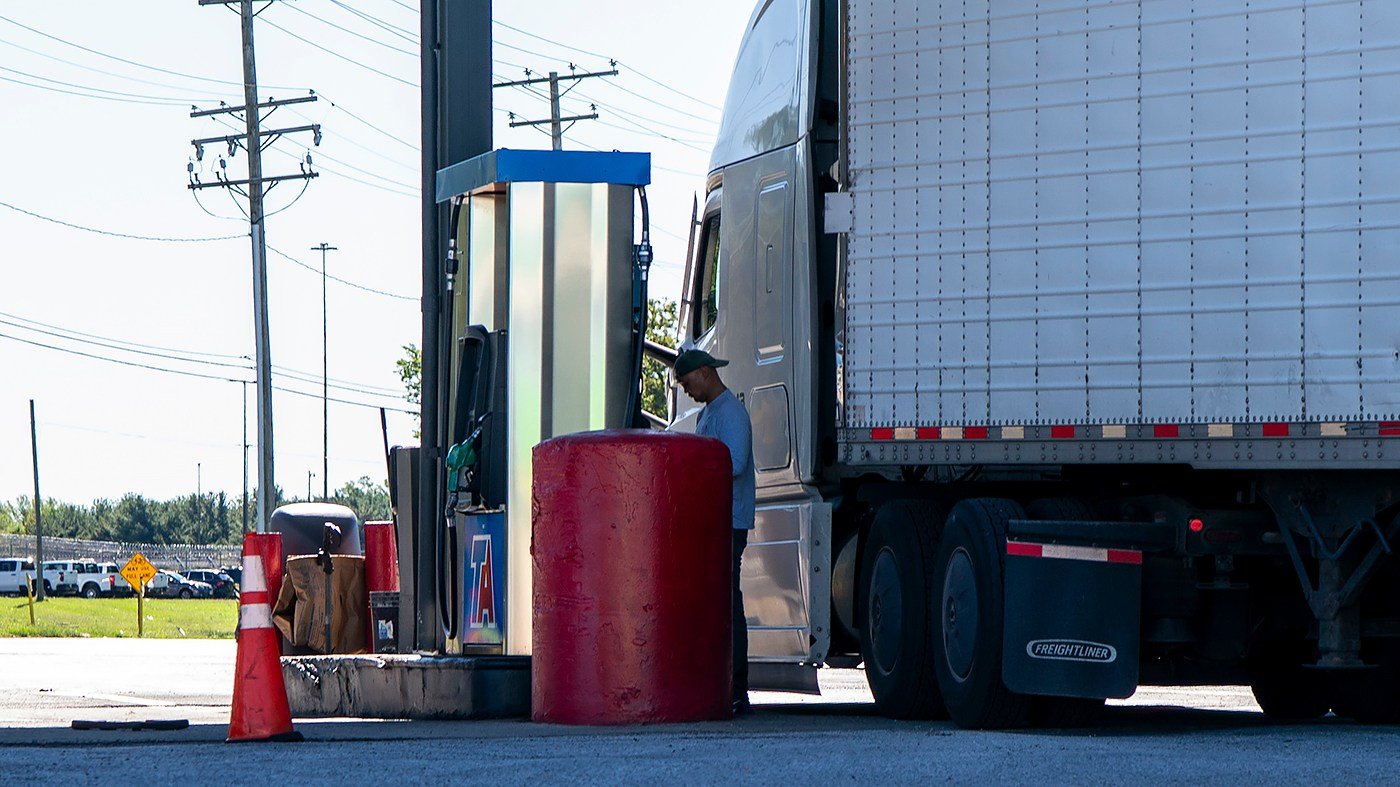
The agency estimates this change will save the oil and gas industry approximately $2.5 billion over the next 15 years. Zeldin claimed these savings would help lower broader energy and gasoline costs for consumers. However, energy analysts note the rule is highly technical and its direct impact on public utility bills may be minimal.
Inflation Data Presents Stark Contrast
Zeldin’s remarks on affordability collided with newly released inflation figures showing a sharp spike in energy prices. The overall Consumer Price Index rose 0.9% from February to March, the first full month of the U.S. military conflict with Iran. Energy costs alone surged 10.9% during that period, with gasoline prices skyrocketing by 21.2%.
When questioned about the data, Zeldin pointed to a social media post by Senate Majority Leader Chuck Schumer (D-NY) that featured a chart of inflation over the past decade. “If you look at a period of a few years of the last administration, the height of that chart was many, many magnitudes higher than where it is right now,” Zeldin argued, suggesting recent inflation pales in comparison to earlier peaks.
The chart, originally shared by an economist, highlighted that March’s 0.9% monthly increase was the largest since June 2022. Zeldin used it to contend that the public experienced worse inflation under the previous administration.
Unprecedented Price Pressures
Industry observers challenged the historical comparison. Veteran energy journalist Loren Steffy described the current situation as unique. “In a lot of ways, we’re in unprecedented territory,” Steffy said. “To see this big of an increase—and to see it in both oil and natural gas—is really not something we’ve ever seen, certainly not in our lifetimes.”
The price shock has not yet fully translated to other sectors of the economy. Food prices remained stable in March, with grocery costs even declining slightly. However, business leaders warn of an inevitable lag effect. Andrew Coppin, CEO of an agricultural technology firm, explained that businesses absorb short-term cost increases but must eventually pass them to consumers to protect margins.
The surge is directly tied to Middle East instability, as the U.S.-Iran conflict continues to disrupt global energy markets. Diplomatic efforts, including talks involving figures like Senator J.D. Vance, have so far failed to stabilize the situation.
Zeldin’s appearance in Texas emphasized an administration narrative of deregulation driving affordability, a message increasingly tested by geopolitical realities and economic data. The disconnect between policy pronouncements and price trends underscores the complex challenges facing energy and economic policymakers.