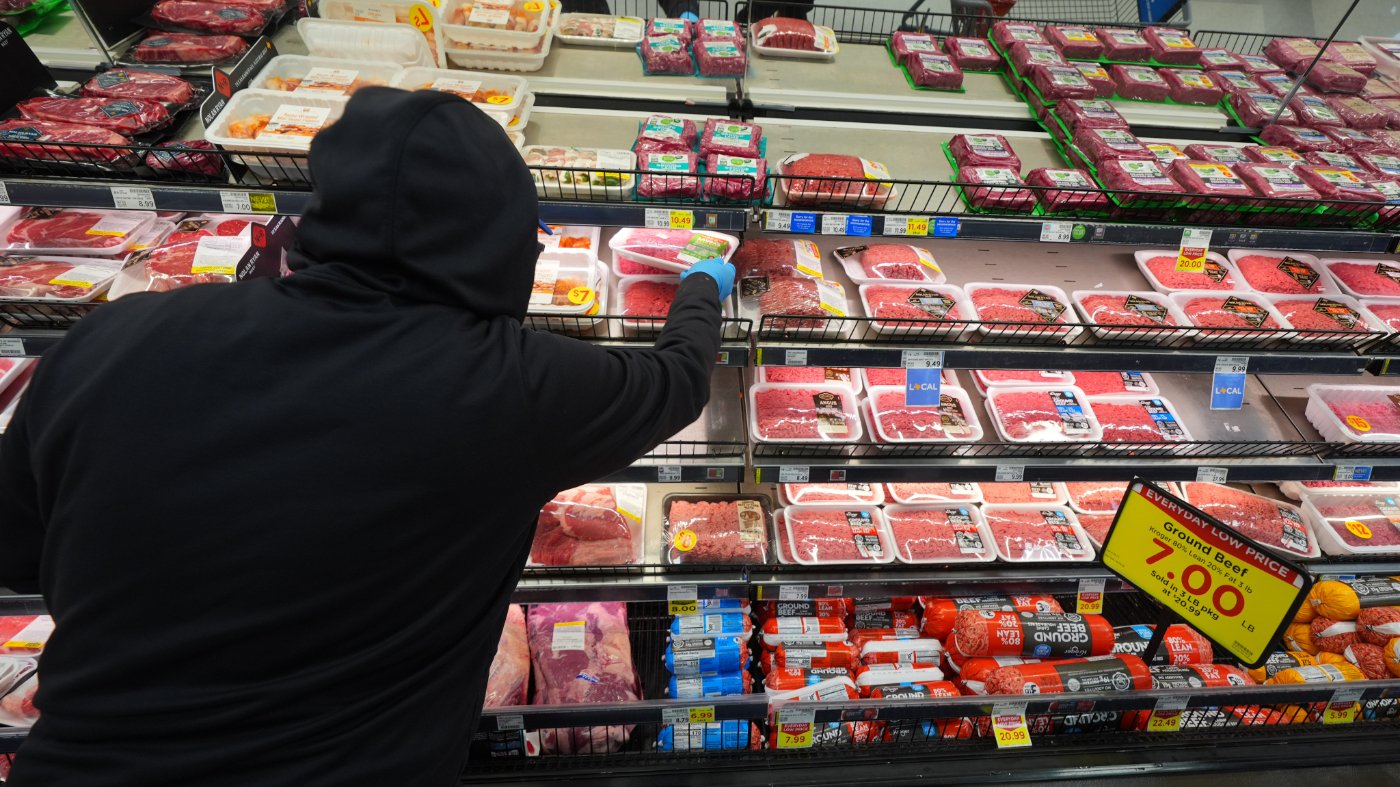
Cost-of-living pressures have dominated American politics since the pandemic, and the 2021-2022 inflation spike was a key factor in Donald Trump's return to the White House. But with tariffs and higher oil prices pushing inflation back up, Trump's claim that affordability is a "hoax" has become harder to sell. Democrats, meanwhile, are tasked with offering a credible alternative that doesn't add to a deficit already running at roughly 6% of GDP.
The first rule for Democrats: don't promise to lower prices across the board. That kind of talk invites comparisons to the early 1980s, when the Fed's aggressive rate hikes triggered a severe recession. Today's inflation is far milder, and the goal should be to keep it near the Fed's 2% target while boosting household incomes. Notably, during Trump's first term, wages for low- and middle-income workers outpaced inflation, but that trend has reversed in his second term.

One major culprit is the budget bill passed last year, which slashed Medicaid and food assistance while extending tax cuts that overwhelmingly favor the wealthy. Combined with the administration's reliance on tariffs—a regressive tax on consumption—these policies have widened income inequality. Fed data show the wealth gap is now the largest in three decades: the top 1% hold nearly one-third of U.S. wealth, roughly equal to the bottom 90% combined.
So what should Democrats do? Start by reversing the most harmful elements of Trump's agenda. That means restoring cuts to Medicaid and food stamps and resisting the proposed $500 billion boost in military spending for 2027, along with the 10% cut to non-defense programs. On defense, the priority should be holding the line, not expanding.
Second, Democrats must commit to eliminating Trump's tariffs. Joe Biden avoided this in 2020 to keep union support, but the landscape has changed. Studies show tariffs have raised costs for households and businesses without reviving manufacturing jobs. Dropping them would be a direct win for consumers.
Third, Democrats need to avoid being painted as the party of tax-and-spend. The Center on Budget and Policy Priorities suggests targeting affordability measures at low- and moderate-income families, which makes sense—households below the median income ($74,000) spend 86% of their income on basics, versus 36% for those above. But the center's proposal to raise taxes by eight percentage points to match other industrial countries is a non-starter politically and economically.
A more pragmatic framework comes from economists Jared Bernstein and Neal Mahoney: policies should lower costs without distorting price signals or production. That rules out price and rent controls, which discourage supply. Instead, the focus should be on areas where voters feel the most pain—healthcare and housing.
Healthcare costs have climbed from 13% of GDP in 1999 to 18% by 2024, and out-of-pocket expenses have jumped nearly a third in five years, according to Brookings' William Galston. It's a stubborn problem, but housing may offer a more winnable battle. Redfin data show a family needs about $117,000 a year to afford a typical home, nearly $30,000 more than the median household earns. Edward Pinto of the American Enterprise Institute suggests relaxing zoning laws to allow more construction.
Encouragingly, both chambers of Congress passed the 21st Century Road to Housing Act with overwhelming bipartisan support. Trump called it a "big yawn" and refused to sign it, but the vote margins were enough to override him. That's proof that affordability can be tackled even when the president dismisses it. Democrats should seize that momentum, link it to broader cost-of-living relief, and make the case that their approach is both fiscally responsible and focused on the families that need help most.