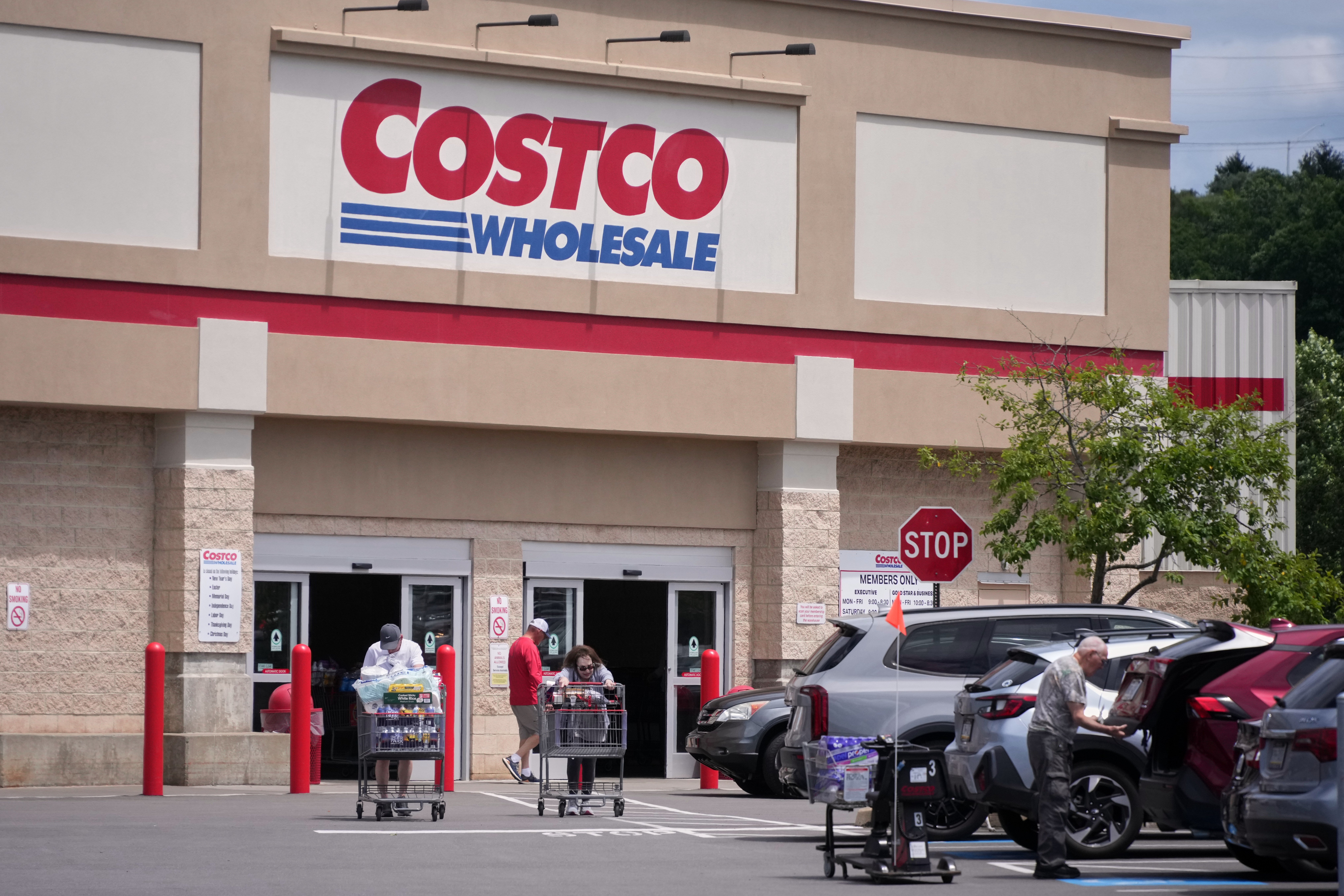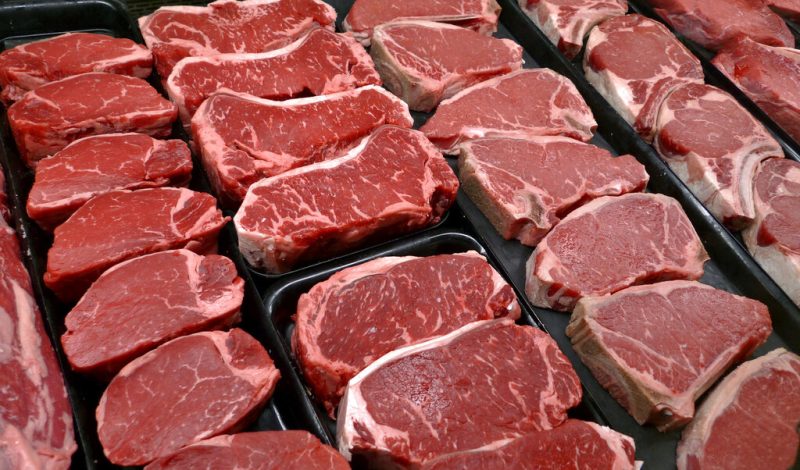
Consumers who purchased specific beef products between 2015 and 2020 have only days left to file a claim in an $87.5 million class-action settlement with some of the nation's largest meatpacking companies. The settlement stems from allegations that Tyson Foods, Cargill, National Beef, and JBS conspired to fix prices, inflating costs for shoppers across more than half the country.
The antitrust lawsuit, filed in the U.S. District Court for the District of Minnesota, accused the four processors of entering into a market allocation agreement. According to a court-issued press release, the companies allegedly stopped competing for market share, allowing them to raise margins and ultimately increase what consumers paid for beef at the grocery store.

Who Qualifies and How to File
Nearly 300 different types of beef products are covered by the settlement, including fresh, frozen, and packaged beef items sold under various brand names. The claims process is open to individuals and businesses that bought these products for personal or commercial use during the five-year period. The deadline to submit a claim is this week, and late filings will not be accepted.
Claimants can file online through the settlement administrator's website or by mailing a completed form. Those who have already received a notice in the mail should have their claim ID handy. No proof of purchase is required for smaller claims, but larger claims may need documentation.
This settlement is one of several recent antitrust actions against major food producers. In a similar vein, Bank of America customers face a deadline to claim part of a $2.25 million ATM fee settlement, highlighting a broader trend of consumer class actions over pricing practices.
Political and Economic Context
The case reflects ongoing scrutiny of consolidation in the meatpacking industry, where a handful of companies control the vast majority of beef processing. Critics argue that such concentration undermines competition and hurts both ranchers and consumers. The Biden administration has made antitrust enforcement a priority, particularly in agriculture, as food prices remain a key political issue.
Meanwhile, the settlement comes amid broader economic pressures on American households. As 4 million people exit ACA plans after subsidies expire, many families are feeling the pinch of rising costs across essentials like healthcare and food.
The beef processors have denied any wrongdoing, but agreed to the settlement to avoid protracted litigation. The $87.5 million fund will be distributed to eligible claimants after administrative costs and attorney fees are deducted.
For those who purchased beef during the covered period, the window to file is closing fast. Legal experts advise submitting claims as soon as possible to avoid missing out on compensation that could help offset years of inflated grocery bills.