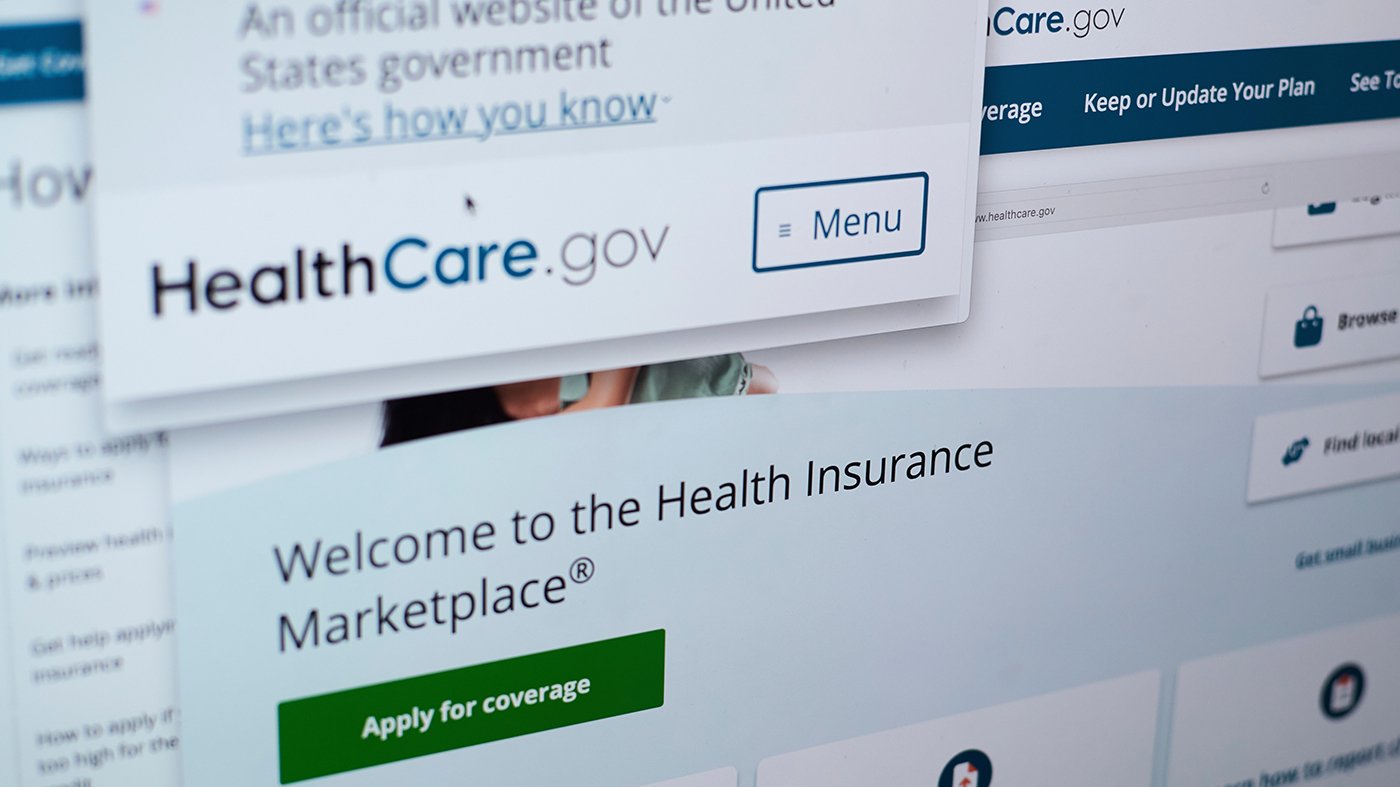
Roughly four million Americans have abandoned their Affordable Care Act insurance plans this year, driven by steep premium increases after enhanced subsidies lapsed at the end of 2024. The data, released late Friday by the Centers for Medicare and Medicaid Services, provides the clearest picture yet of the fallout from Congress's failure to extend the financial aid.
The expiration of those subsidies pushed premiums up by double digits for many enrollees, triggering a wave of cancellations as households faced the full cost of coverage. According to a new report from the Department of Health and Human Services' assistant secretary for planning and evaluation, approximately 19.2 million people were enrolled in ACA plans as of February. That represents a decline of more than 16 percent from the 23 million who signed up during open enrollment—itself a drop of roughly one million from the previous year.
Health care costs are shaping up as a pivotal issue in November's midterm elections. Democrats are hammering the subsidy expiration, along with changes from the One Big Beautiful Bill and other Trump-era regulatory moves, as evidence of Republican indifference to working families. Yet Democrats themselves failed to secure an extension of the enhanced credits during last year's record 45-day government shutdown. They ultimately reopened the government after Republicans promised a floor vote on a bill of Democrats' choosing to extend the subsidies—a vote that failed, allowing the credits to expire at the start of this year.
The enrollment numbers remain the highest of any pre-2024 year, fueled by the surge in ACA sign-ups during the Biden administration. But administration officials and congressional Republicans argue that the scale of coverage losses has been exaggerated. The HHS report emphasizes fraud and improper enrollments, insisting that the decline is largely due to the Trump administration's crackdown on fraudulent sign-ups.
Insurers and health policy experts have long warned that a steep enrollment drop was inevitable once premium bills landed in mailboxes. They caution, however, that the market is not headed for a repeat of 2017, when political uncertainty over the law's future, combined with rising premiums and insurer exits, sparked fears of so-called insurance deserts. Still, falling enrollments and a surge in enrollees shifting to less generous, high-deductible bronze plans are raising fresh concerns about market stability.
The political stakes are high. Democrats are pointing to the subsidy lapse as a direct consequence of Republican obstruction, while Republicans highlight fraud reduction as a win. Meanwhile, broader financial pressures—reflected in polls showing 67% of Americans hit financially by surging gas prices amid the Iran conflict—are squeezing household budgets and making health insurance even harder to afford. As the midterms approach, both parties are jockeying to claim the mantle of protecting Americans from rising costs.
For many, the choice is stark: pay for coverage or cover other essentials. The enrollment drop underscores how quickly policy decisions in Washington can ripple through the lives of millions, a dynamic that will likely dominate campaign ads and debate stages in the months ahead.