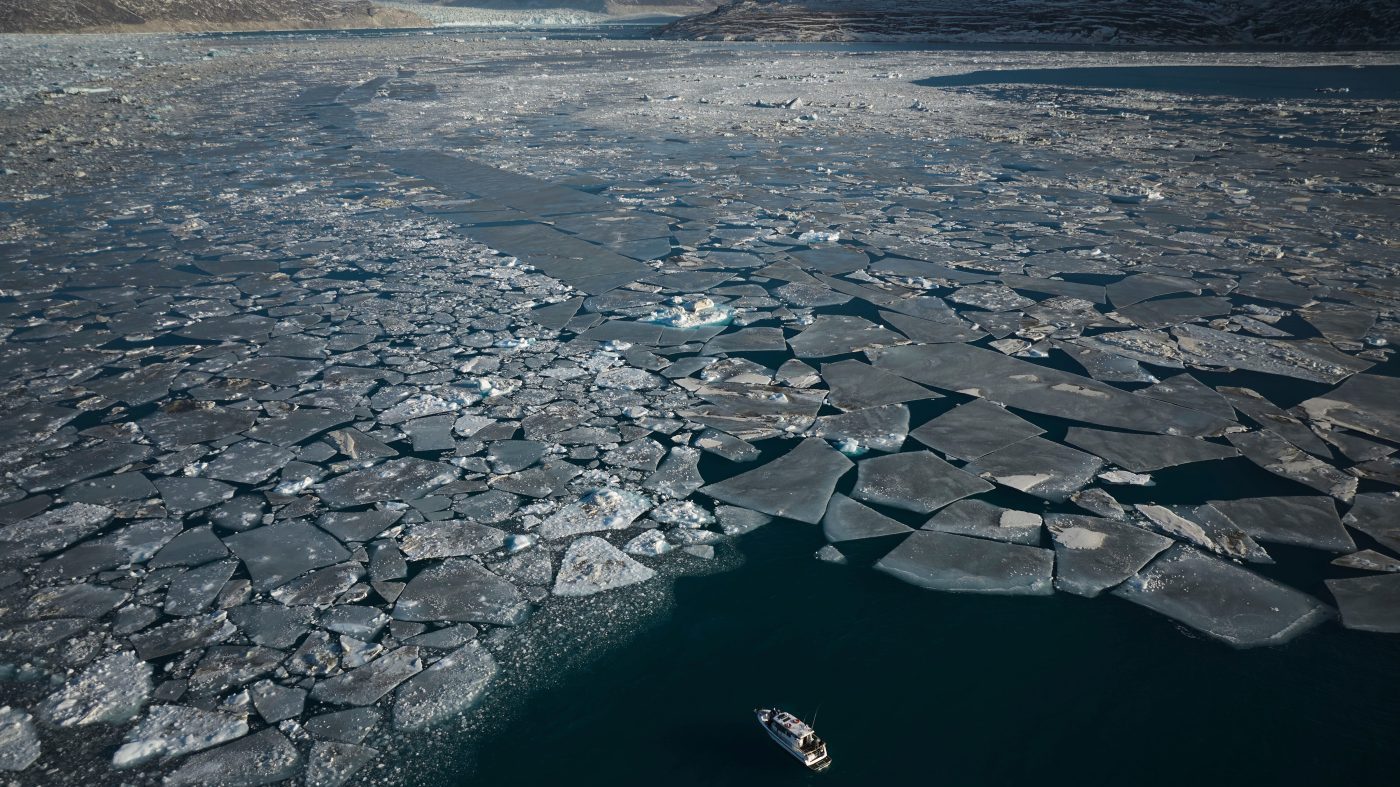
The National Oceanic and Atmospheric Administration has abruptly ended its support for the Arctic Report Card, an annual assessment of Arctic environmental conditions that the agency has helped coordinate for nearly two decades. The move, confirmed by lead editor Rick Thoman, has thrown the 2026 edition into uncertainty and raised concerns among scientists about the future of a widely used climate resource.
Thoman, a climate specialist at the University of Alaska Fairbanks, told The Hill that participants were informed on Monday during a phone call with NOAA that the agency was immediately terminating all assistance for the report. “No rationale was given at all,” he said.
The Arctic Report Card has been published every year since 2006, providing a comprehensive snapshot of the region's atmosphere, oceans, ice, ecosystems, and wildlife. Zack Labe, a climate scientist who has co-authored a chapter for several years, described it as a “go-to resource” for policymakers and the public alike. “It's strictly focused on trying to understand the data from year to year of all of these different pieces of the Arctic,” he said.
The withdrawal of federal support, first reported by Politico, means the report's editors must now find alternative ways to produce and publish the 2026 edition. “We are frantically working to find a way” to make it happen, Thoman said. “Whether we can pull something together to have a December release, we'll try to make it happen…being it's already August, that's going to be a tough lift but we'll try.”
The report is largely written by volunteers, but NOAA has historically provided essential services such as graphic design, formatting, and coordination of the peer-review process. Thoman stressed that maintaining the integrity of that review is critical. “We will have to find a way to…maintain the integrity of the peer review process,” he said.
NOAA spokespeople did not immediately respond to requests for comment, but the agency confirmed to CNN that it would no longer coordinate the report. It said it would continue to collect and publish underlying data. Last year, the report was still hosted on NOAA's website.
The decision comes amid a broader pattern of the Trump administration scaling back climate science and policy. In recent weeks, the administration dismissed all scientists working on the National Climate Assessment and repealed an Environmental Protection Agency finding that greenhouse gases endanger public health. Those actions align with President Trump's repeated claims that climate change is a hoax, though the overwhelming scientific consensus holds that it is real, human-caused, and worsening extreme weather events.
Thoman emphasized that the Arctic Report Card is not a political document. “The Arctic Report Card has been focused on reporting observations in the Arctic, not modeling, not projections, not policy,” he said. “This isn't a political thing.”
The loss of NOAA's support could have ripple effects beyond the report itself. Researchers and coastal communities rely on the data to track sea ice loss, permafrost thaw, and shifts in wildlife patterns. As new studies continue to link climate change to extreme events, the report's absence would leave a significant gap in public understanding of the rapidly changing Arctic.