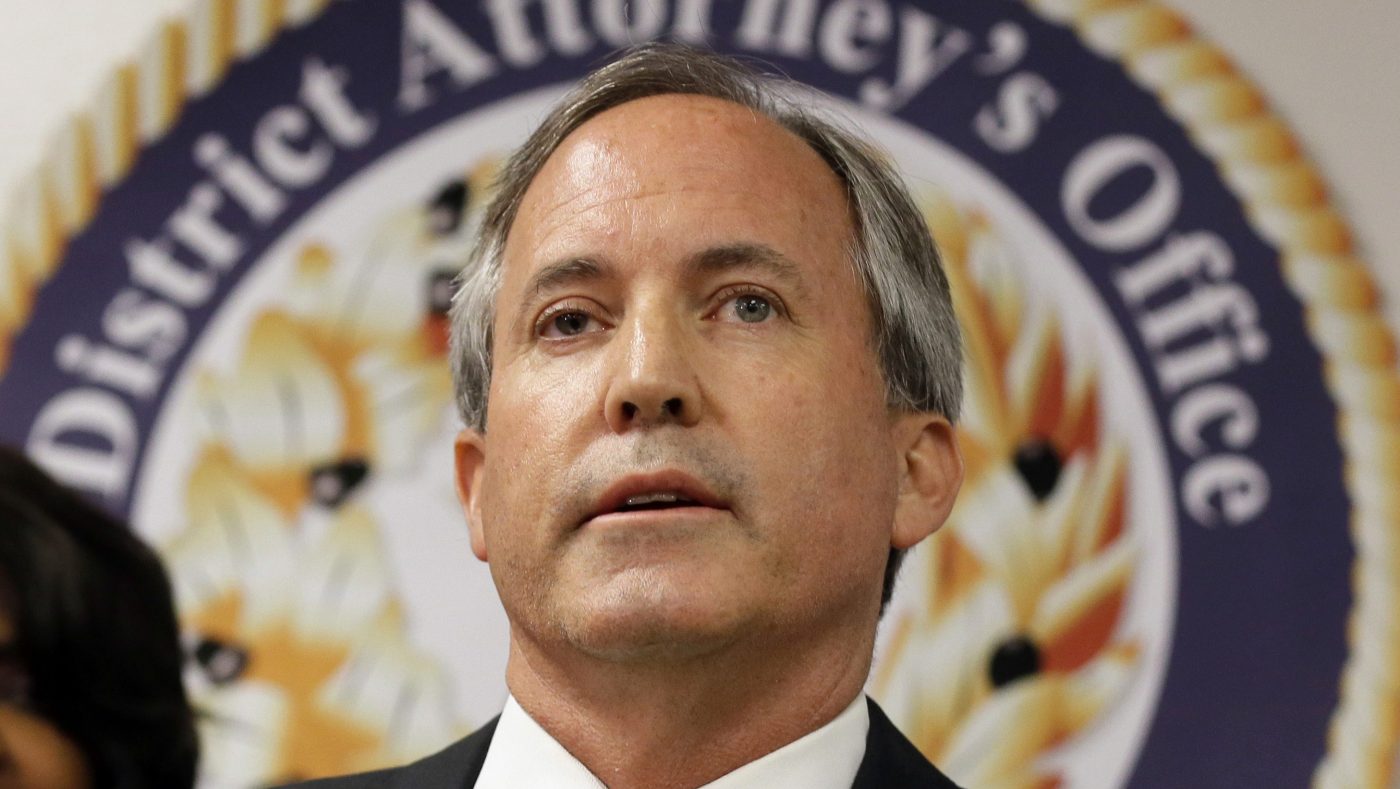
Texas Attorney General Ken Paxton (R) has stepped into a Dallas County surrogacy dispute, asking a court to guarantee that a newborn with a severe heart defect receives life-saving treatment despite the objections of the child's intended parents.
The case centers on an unborn child referred to by Paxton's office as “baby Gabriel,” who was diagnosed in utero with hypoplastic left heart syndrome—a congenital condition where the left side of the heart is critically underdeveloped and cannot pump blood effectively. The condition is treatable but requires a series of surgeries beginning shortly after birth.

According to Paxton's office, the intended parents, who reside in California, demanded that the surrogate terminate the pregnancy after learning of the diagnosis. The surrogate refused and relocated to Texas, where she sought medical care and legal protection. Paxton's office has asked the 301st Judicial District Court in Dallas County to issue orders that would ensure baby Gabriel receives the recommended medical procedures and prevent his removal from the state.
“Baby Gabriel deserves a chance at life, and I will not allow anyone to unlawfully deny him medically necessary care,” Paxton said in a statement Tuesday. “My office will use every tool available to protect innocent lives and ensure that every child receives the care required under Texas law.”
Texas law bans nearly all abortions, with narrow exceptions only when the life or health of the mother is at risk. Physicians who perform abortions can face felony charges, including jail time, loss of their medical license, and fines up to $100,000. Paxton's office noted that baby Gabriel was diagnosed at 20 weeks and is expected to be born “imminently with a serious but treatable heart condition.”
The recommended treatment is the Norwood procedure, the first of three surgeries typically used to manage hypoplastic left heart syndrome. Paxton's office sent a letter to two Dallas hospitals outlining the medical recommendations. The intended parents have reportedly refused to consent to the procedures and may attempt to take the baby to California to avoid treatment.
This intervention echoes Paxton's previous actions in a high-profile case nearly three years ago, when he fought to prevent Texas woman Kate Cox from obtaining an emergency abortion after her fetus was diagnosed with trisomy 18, a fatal chromosomal condition. Cox eventually left the state to terminate the pregnancy after the Texas Supreme Court blocked a lower court ruling that would have allowed the procedure.
Texas's restrictive abortion laws were enacted in 2022, following the U.S. Supreme Court's decision to overturn Roe v. Wade, which had provided federal constitutional protections for abortion. The state has since become a focal point in the national debate over reproductive rights and the legal status of embryos and fetuses.
Legal experts say the surrogacy case raises novel questions about parental rights, medical consent, and the state's authority to intervene in private family decisions, particularly when the child’s life is at stake. Paxton's office has not commented on the intended parents' legal status or their potential liability, but the attorney general has signaled that he will use the full weight of his office to ensure the baby receives care.
The case is set to be heard in Dallas County, where the court will decide whether to grant the requested protective orders. The outcome could set a precedent for how Texas handles similar disputes involving surrogacy and medical treatment for infants with congenital conditions.