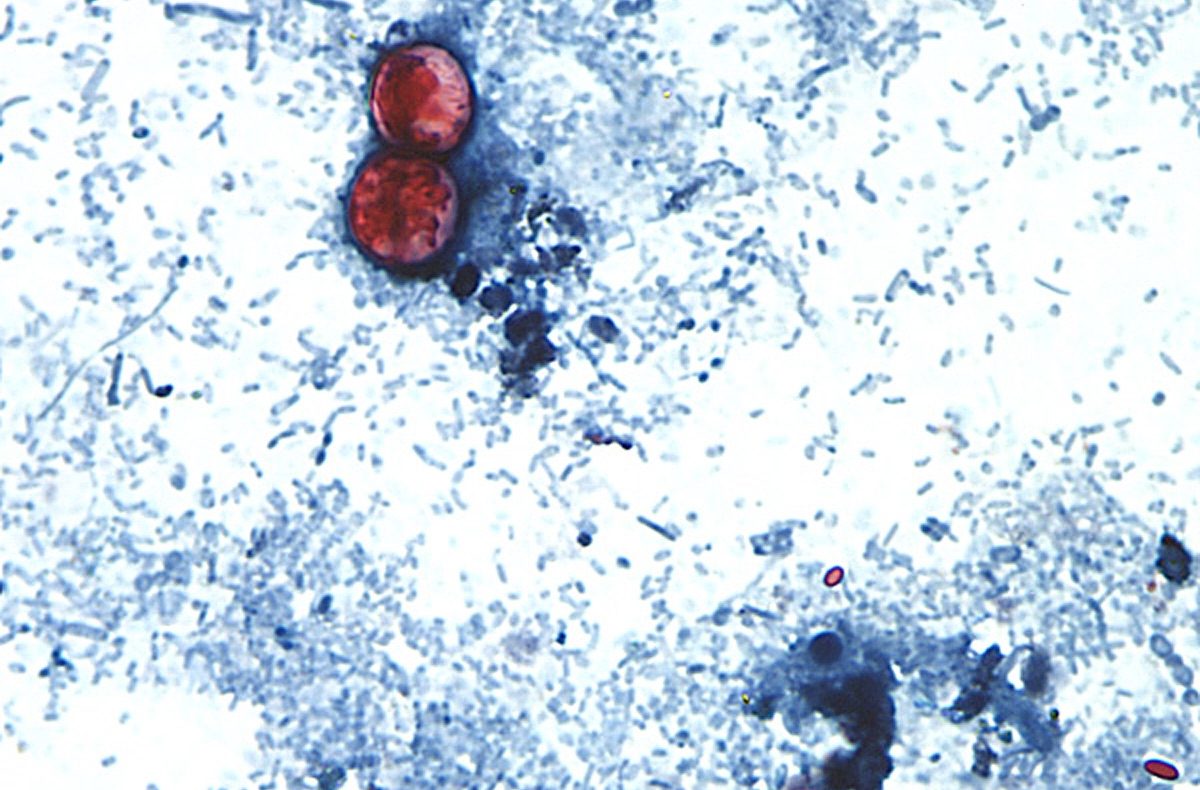
The nation's worst cyclosporiasis outbreak continues to expand, with federal health officials now tracking more than 18,200 suspected cases across the United States. The Centers for Disease Control and Prevention (CDC) reported Wednesday that over 6,700 infections have been confirmed since May 1, while another 11,500 cases await laboratory verification.
Michigan remains the epicenter of the outbreak, accounting for more than 10,000 suspected cases—a staggering figure that has overwhelmed local health departments and drawn political scrutiny. The surge has reignited debates about food safety oversight, particularly as Michigan's auto industry and economic recovery remain top priorities for state leaders.

Nine States Now Linked to Contaminated Lettuce
The CDC has expanded its investigation to include nine states, adding Illinois, Kansas, Oklahoma, and Pennsylvania to the list of jurisdictions where the parasite has been traced to iceberg lettuce from Mexico. Earlier states linked to the outbreak include Michigan, Iowa, Nebraska, and Wisconsin.
Health officials have stressed that the overall U.S. food supply remains safe, but the scale of this outbreak—now the largest recorded domestically—has raised questions about import inspection protocols. The tariff disputes with Canada and Mexico have added a layer of political complexity, as some lawmakers argue that trade policies have distracted from food safety enforcement.
Political Fallout in Michigan
The outbreak has become a flashpoint in Michigan's heated Senate primary. Democratic contenders have sparred over who is best positioned to tackle public health crises, with El-Sayed and Stevens clashing over corporate influence in health policy. Meanwhile, Governor Gretchen Whitmer has thrown her support behind Stevens, emphasizing the need for stronger federal food safety measures.
Republican candidates have also seized on the issue, linking the outbreak to broader concerns about illegal immigration and border security. Former President Donald Trump, who has made multiple campaign stops in Michigan, has warned of a 'communist threat' and argued that lax trade enforcement has allowed contaminated imports to reach American tables.
Cyclosporiasis Symptoms and Risks
Cyclosporiasis causes gastrointestinal distress, including watery diarrhea, loss of appetite, weight loss, cramping, bloating, increased gas, nausea, and fatigue. The illness can last from a few days to several weeks, and severe cases may require hospitalization. Vulnerable populations, such as children, the elderly, and immunocompromised individuals, face higher risks.
The CDC advises consumers to wash all produce thoroughly, but notes that the parasite can be difficult to remove from leafy greens. Cooking kills the cyclospora parasite, but iceberg lettuce is typically eaten raw.
As the investigation continues, public health officials urge anyone experiencing symptoms to seek medical care and report their illness to local health authorities. The outbreak is expected to persist as new cases continue to be identified and confirmed.