The Centers for Disease Control and Prevention has postponed the release of a significant study on COVID-19 vaccine benefits after its acting director raised objections to the research methodology, according to agency officials and documents obtained by The Washington Post.
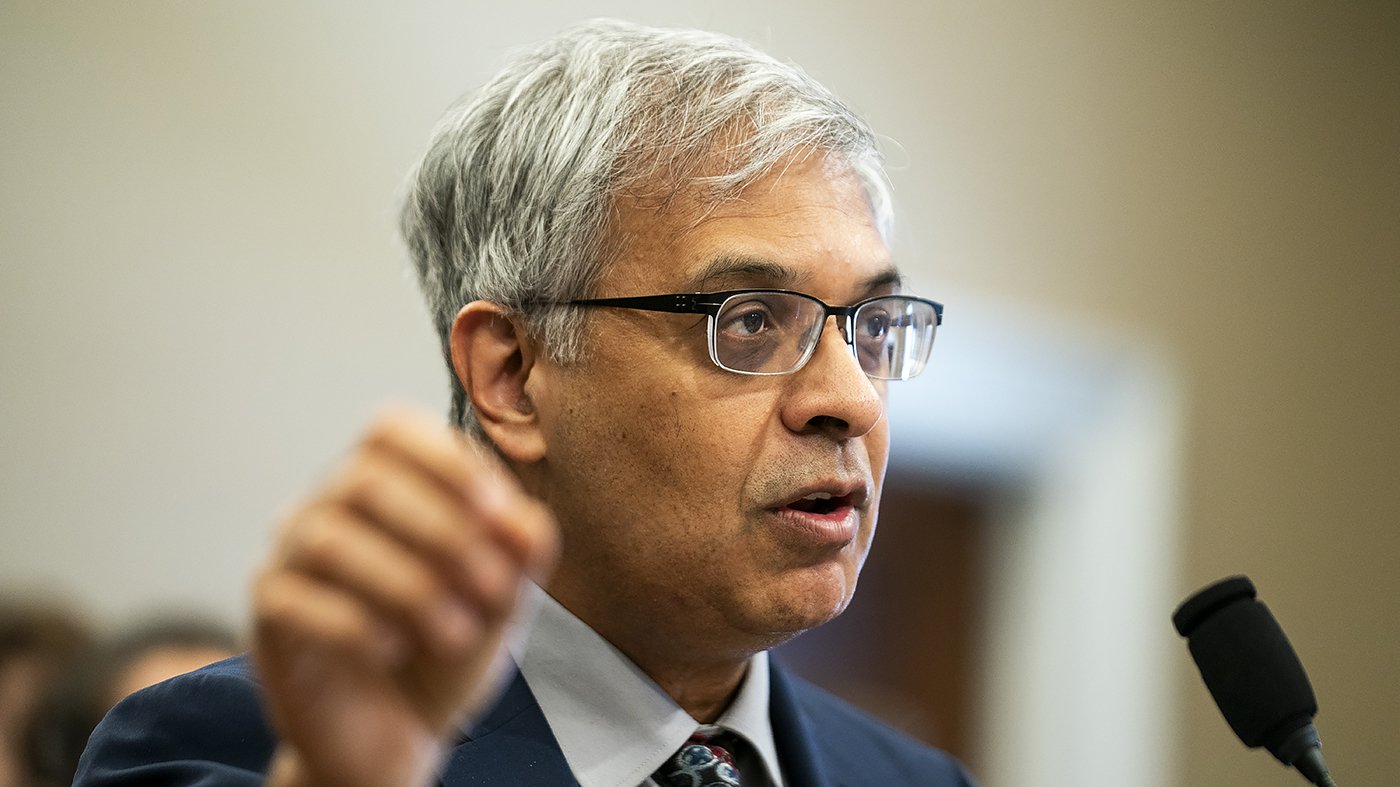
Acting CDC Director Jay Bhattacharya halted the report's scheduled publication in the agency's Morbidity and Mortality Weekly Report, a key scientific journal. The analysis focused specifically on how effectively vaccines prevented hospitalizations and emergency department visits among healthy adults during last winter's respiratory virus season.
Scientific Dispute Over Established Methods
The delayed report employed a "test-negative" design, a methodology long used by public health agencies to evaluate vaccine effectiveness against respiratory illnesses. This approach compares vaccination rates among people who test positive for a disease against those who test negative but sought similar medical care. The same methodology was featured in a prominent 2021 New England Journal of Medicine study on COVID-19 vaccine effectiveness.
Department of Health and Human Services spokesperson Andrew Nixon confirmed the delay represents "routine" procedure for CDC leadership to review publications. "Dr. Bhattacharya wants to make sure that the paper uses the most appropriate methodology for such a study," Nixon stated, adding that the scientific team is working to address the director's concerns about the observational method used to calculate vaccine effectiveness.
Broader Context of Vaccine Policy Shifts
This internal dispute emerges amid significant changes to federal vaccine policy. Earlier this week, HHS Secretary Robert F. Kennedy Jr. published an amended charter for the Advisory Committee on Immunization Practices, expanding membership criteria after a federal judge nullified committee members previously selected by the secretary. This follows the committee's recent vote to shift COVID-19 vaccine recommendations from universal eligibility for those six months and older to individual decision-making.
The methodology controversy also intersects with ongoing debates about vaccine safety standards. Former FDA regulator Vinay Prasad recently imposed new restrictions on COVID-19 vaccine approvals from Novavax and Moderna, citing concerns about pediatric fatalities potentially linked to vaccination. These developments occur alongside other significant agency changes, including reports that the CDC has halted key disease testing programs during its restructuring under the Kennedy administration.
Public health experts note that methodological debates are common in scientific publishing but rarely result in complete publication delays at this stage of review. The CDC's decision to withhold the completed analysis raises questions about transparency during a period of evolving vaccine guidance. The agency has not provided a timeline for when—or if—the report might be released with revised methodology.
This episode reflects broader tensions within federal health agencies as they balance scientific rigor with public communication. Similar methodological scrutiny has affected other policy areas, such as when administrative review processes created delays in contract approvals for state programs. The vaccine report delay comes as the administration faces multiple scientific and regulatory challenges, from emerging drug threats like synthetic opioids that evade current regulatory controls to international security concerns that extend beyond public health.
The CDC has not responded to additional requests for comment regarding whether similar methodology concerns have affected other pending publications. The delay leaves unanswered questions about the precise vaccine effectiveness data for healthy adults during the latest respiratory virus season, potentially affecting both clinical decision-making and public confidence in federal health guidance.