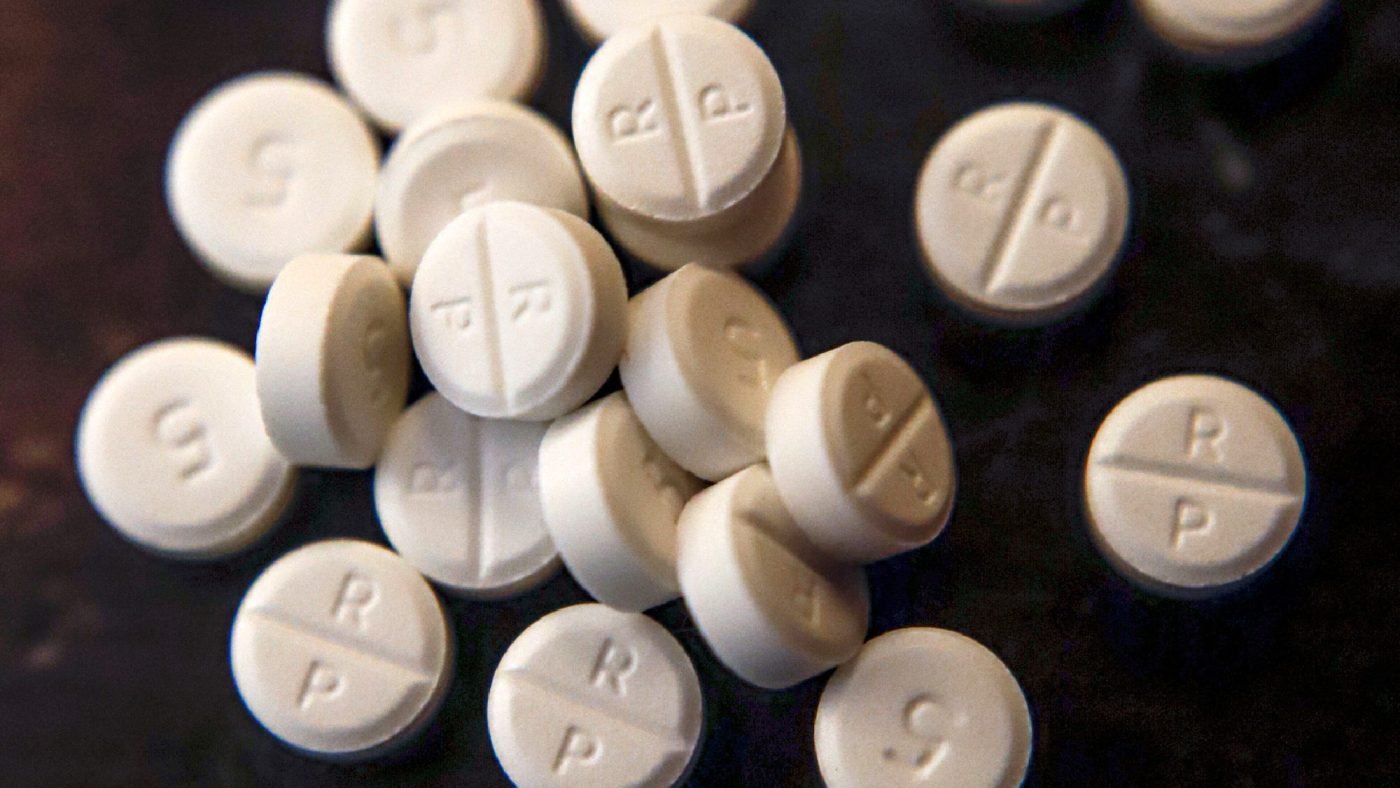
A new synthetic opioid called cychlorphine has entered the illicit drug market, presenting authorities with a formidable challenge that existing regulatory frameworks appear ill-equipped to handle. Forensic labs in multiple jurisdictions have now confirmed its presence, signaling the latest evolution in a decades-long pattern of chemical adaptation by illicit producers.
A Different Chemical Threat
Cychlorphine represents a significant departure from the fentanyl family of opioids that have dominated the crisis in recent years. Its molecular structure belongs to a different chemical class, and it can be synthesized using common industrial chemicals that are not typically monitored in fentanyl production chains. This fundamental difference makes the standard law enforcement strategy of precursor chemical controls largely useless against this new substance.

The drug first appeared in European monitoring systems around 2024 before surfacing in Toronto's drug-checking programs and seized samples in southwest Ohio by 2025. Public health officials have since reported detections and linked overdose deaths in regions including eastern Tennessee, central Kentucky, and the Chicago area. Like its synthetic predecessors, cychlorphine often appears not as a standalone product but mixed into counterfeit pills or combined with other drugs, indicating traffickers are actively testing its market viability.
The Iron Law of Prohibition
The emergence of cychlorphine follows a predictable, grim trajectory that experts have termed the "iron law of prohibition." For over two decades, each regulatory crackdown on one class of opioids has simply prompted the market to shift to a stronger, cheaper, and more concealable alternative. The path from prescription pills to heroin, then to fentanyl, and later to nitazenes now continues with this new compound.
This dynamic mirrors other complex policy challenges, such as the need for nuanced approaches in international relations. For instance, some foreign policy analysts argue for more targeted measures that distinguish between adversarial governments and their populations, a principle that finds a parallel in the difficulty of crafting drug policies that address supply without exacerbating public health harms.
Dr. Jeffrey A. Singer, a senior fellow at the Cato Institute, and Josh Bloom of the American Council on Science and Health note that the situation resembles antimicrobial resistance. Just as microbes evolve to survive drugs meant to kill them, clandestine chemists adapt to law enforcement pressure and shifting economic incentives. If molecule X becomes difficult to produce, molecule Y—often more potent and dangerous—will inevitably emerge to take its place.
Regulatory Blind Spots
The core problem for regulators is structural. Fentanyl and its analogs share enough common chemical building blocks that monitoring a specific list of precursor chemicals proved somewhat effective. Cychlorphine's different architecture means those established watchlists offer little to no utility. A chemist examining its structure would see little resemblance to morphine, yet it binds powerfully to the same brain receptors, demonstrating how difficult it is to predict the form of the next novel opioid.
This development raises profound questions about the returns on the massive enforcement investment aimed at curbing fentanyl. While those efforts may have temporarily suppressed one substance, they have arguably accelerated the chemical arms race, yielding drugs that are harder to detect and control. The political focus often remains on high-profile hearings or partisan clashes, such as when figures are confronted with legal actions during public events, while systemic failures in drug policy continue unabated.
The arrival of cychlorphine underscores a persistent policy failure. It suggests that a strategy reliant primarily on supply-side interdiction and chemical controls is destined to remain one step behind an agile and innovative illicit market. As with other complex security challenges, from regional conflicts like the escalating Iran-Israel tensions to domestic preparedness, effective response requires adapting to an evolving threat landscape rather than relying on outdated playbooks.
Ultimately, cychlorphine is unlikely to be the final chapter. It is merely the latest creation born from the dynamic interaction of prohibition and illicit innovation, signaling that without a fundamental rethinking of approach, the cycle of increasingly potent synthetic opioids will continue indefinitely.