The ongoing conflict between Iran and its adversaries represents more than a contemporary geopolitical clash; it is a manifestation of deep historical memory and profound national insecurity that shapes strategic calculations in Tehran, Jerusalem, and Washington.
Iran's Imperial Legacy and Modern Isolation
With a civilization spanning 2,500 years, Iran operates with a historical consciousness far exceeding that of most modern states. As a multi-ethnic empire where Persians constitute just 61% of the population, its drive for regional dominance in the Persian Gulf stems partly from this imperial heritage. Since the 1979 revolution, Iran has positioned itself not merely as a nation-state but as the vanguard of Shia Islam and a contender for leadership of the entire Muslim world—a claim that directly challenges Saudi Arabia's status as custodian of Islam's holiest sites.
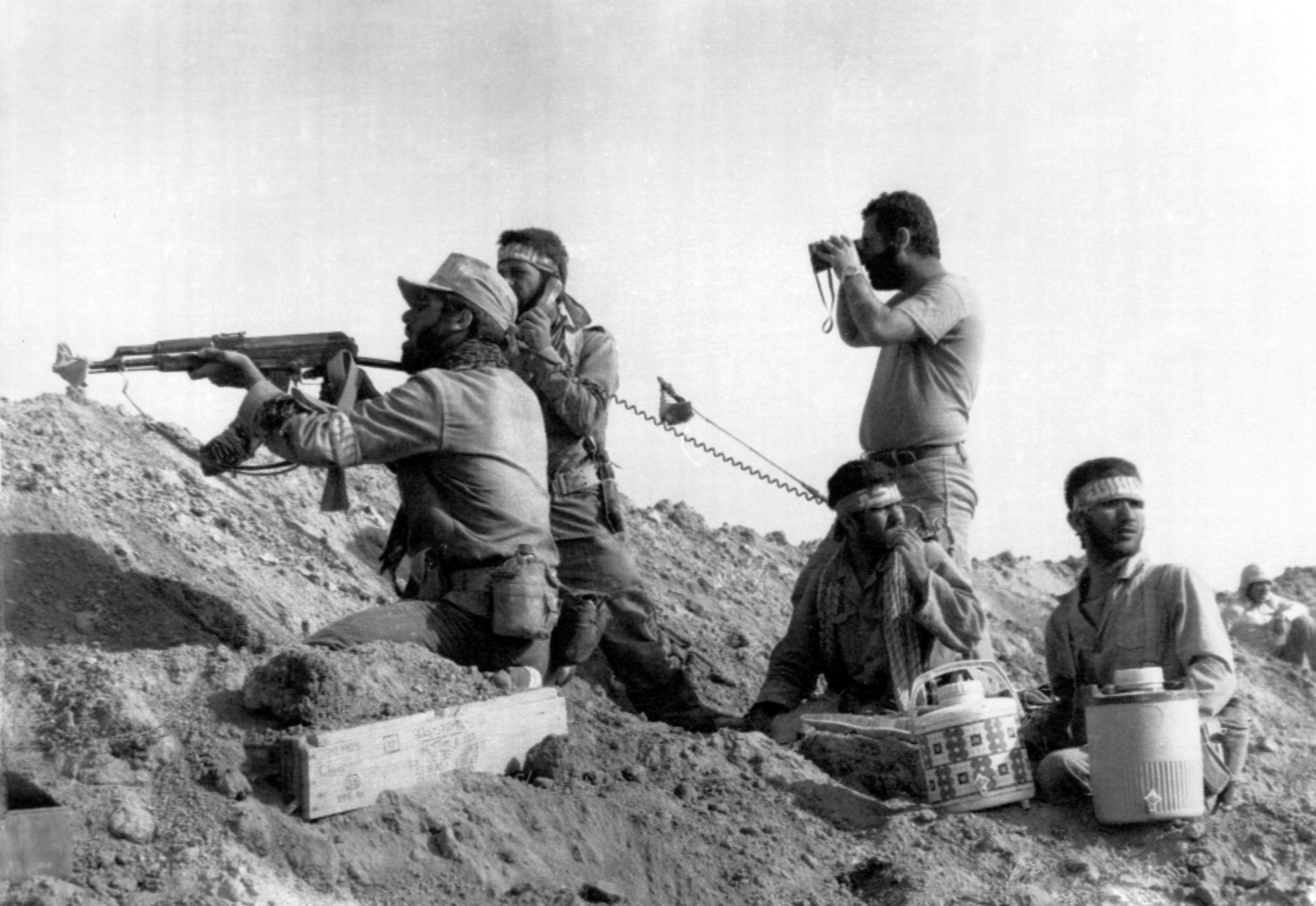
Yet Iran's recent history is marked by trauma, not triumph. A generation of Iranians now in their 40s and 50s fought in or remembers the devastating 1980-1988 war with Iraq, which left over 200,000 dead. They recall Saddam Hussein's widespread use of chemical weapons, which drew minimal international protest. Crucially, they remember facing a powerful coalition that included both the United States and Soviet Union, alongside European and Arab states that supplied Iraq with weapons and tens of billions in funding. In the war's final stages, the U.S., with British and French support, effectively launched naval operations against Iran by escorting tankers in the Gulf.
A Familiar Coalition Arrayed Against Tehran
Today, Iran faces a similar sense of isolation. While it maintains Russian support and limited Chinese aid, and can mobilize proxy forces like Hezbollah, a broad coalition has mobilized against it. This includes not only the U.S. and Israel, but the six Gulf Cooperation Council states, Jordan, Cyprus, the United Kingdom, France, Greece, Azerbaijan, and Germany—many of whom have suffered Iranian drone or missile attacks or are providing defensive support. For Iran's leadership, this coalition represents a chilling reprise of the isolation it experienced in the Islamic Republic's early years, reinforcing the regime's foundational insecurity.
This historical perspective informs Tehran's aggressive foreign policy and its pursuit of regional influence through proxy networks. Some foreign policy analysts argue that Western strategies should focus on isolating the regime rather than the Iranian people, recognizing how historical grievances are weaponized for domestic control.
Israel's Existential Fears and Strategic Response
Memory and insecurity equally drive Israel's determination to continue military operations against Iran. Beyond the Holocaust's shadow, Israel recalls the five Arab armies that invaded at its founding in 1948 and Egyptian President Gamal Abdel Nasser's 1967 vow to destroy the Jewish state. Iranian leaders have echoed this sentiment, with Supreme Leader Ali Khamenei in 2020 calling Israel a "cancerous tumor that must be destroyed." This rhetoric explains Prime Minister Benjamin Netanyahu's focus on existential threats and his government's willingness to conduct high-risk operations, including assassinations of Iranian officials.
Israel's security doctrine, forged through repeated conflicts, prioritizes preemptive action against perceived existential threats, viewing Iranian nuclear ambitions and proxy warfare as direct challenges to national survival.
American Memory and Energy Security
The United States enters this conflict with its own potent memories. Washington policymakers remain influenced by the 1979 Iranian Revolution and hostage crisis, but even more by the oil shocks of 1973 and 1979. Fatih Birol, executive director of the International Energy Agency, has asserted the current oil market disruption exceeds those previous crises combined, elevating energy security to a central concern. This explains the significant U.S. naval presence in the region, though as a former Navy secretary has noted, securing critical chokepoints like the Strait of Hormuz requires political will matching military capability.
Long Shadows and Future Prospects
Memory's endurance varies by civilization—persisting for centuries in the Middle East while often appearing shorter in American political discourse. Yet in this conflict, historical grievances actively shape policy, fostering mutual insecurity that makes diplomatic resolution extraordinarily difficult. The current confrontation's outcome will itself become a new layer of historical memory, likely perpetuating tensions for years.
The analysis suggests these deeply rooted insecurities may only abate with significant internal change within Iran, similar to transformations seen in other regional states. However, predicting such upheaval remains impossible. Meanwhile, the conflict continues to reshape alliances and military postures, with regional powers like Jordan and Gulf states increasingly cooperating with Israel against their common Iranian threat—a geopolitical realignment unimaginable a generation ago.
As the war evolves, it reinforces how historical memory functions as both a national compass and a strategic constraint, ensuring that today's battles are fought over yesterday's wounds as much as present-day interests.