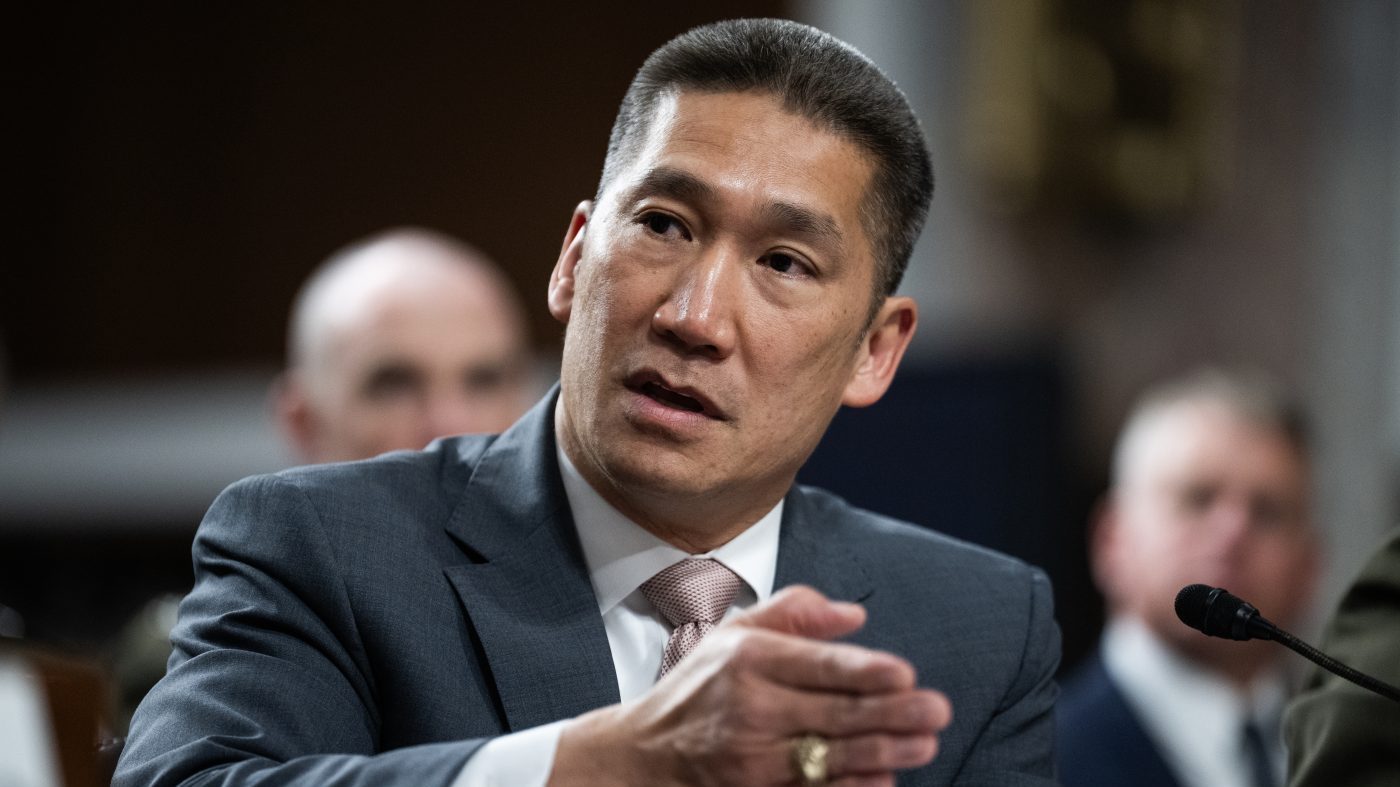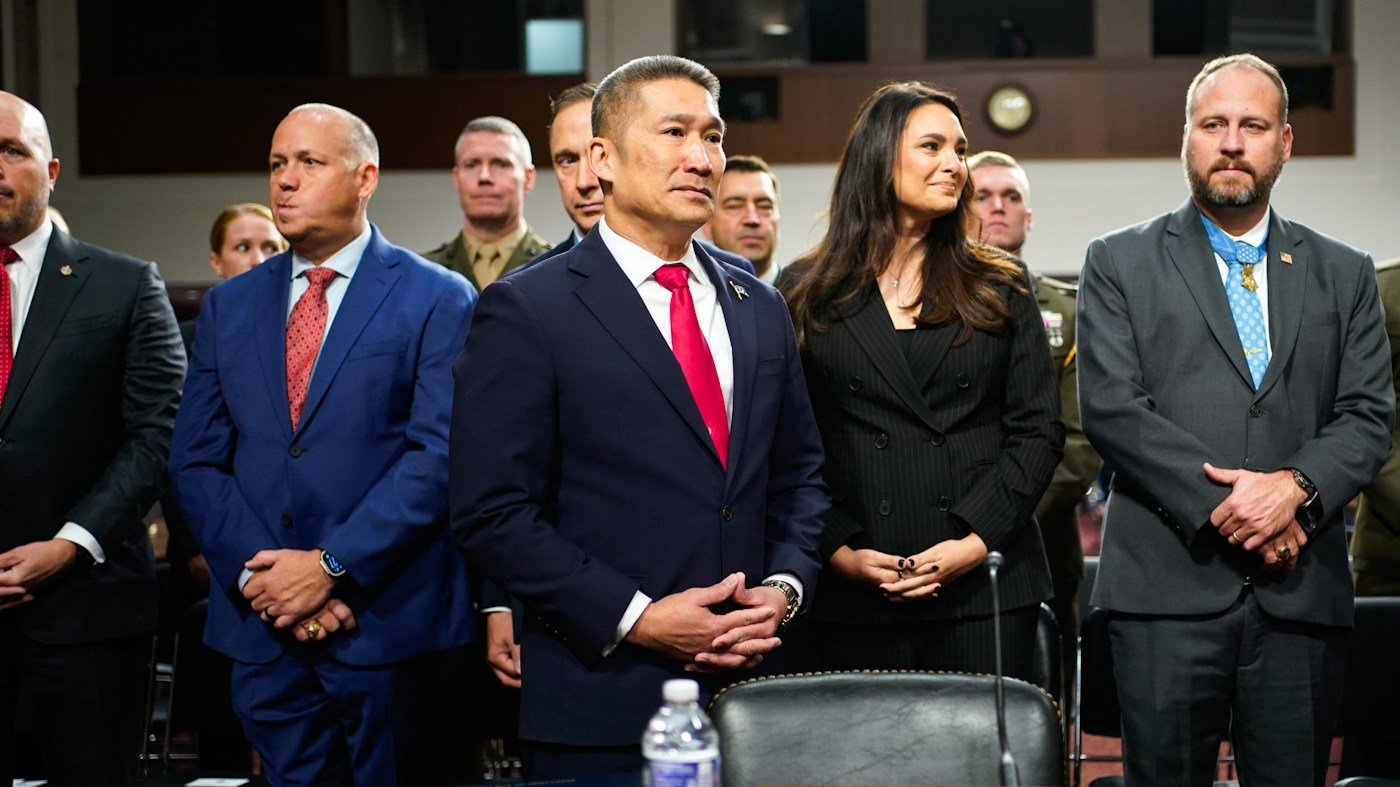
The Senate Armed Services Committee on Tuesday subjected acting Navy Secretary Hung Cao to a bruising, two-and-a-half-hour confirmation hearing, with lawmakers from both parties demanding answers on sailor suicide attempts, the Navy's role in the Iran conflict, and persistent shipbuilding shortfalls. The session, marked by sharp exchanges and personal rebukes, underscored the political stakes surrounding Cao's nomination to lead the service permanently.
Several Democrats, including Sens. Richard Blumenthal (D-Conn.) and Kirsten Gillibrand (D-N.Y.), accused Cao of downplaying the mental health crisis among sailors deployed on extended tours, particularly aboard the USS Abraham Lincoln carrier strike group. Blumenthal said the Navy's leadership was "failing these sailors and their families" and that Cao's demeanor suggested he "simply don't care." Cao pushed back, saying he views every decision through the lens of his son, a Marine, and insisted he has no control over deployment lengths.
The most heated moment came when Gillibrand pressed Cao on his description of eight suicide attempts on the Lincoln as "mitigations." She erupted: "Please don't call attempted suicide mitigations. That is such an insult." Cao defended his choice of words, noting that one sailor who went overboard was not trying to kill himself and had a life preserver. Gillibrand shot back, "What was he trying to do? Swim to Guam?" and demanded a separate hearing on sailor mental health.
Sen. Mark Kelly (D-Ariz.), a former Navy pilot, cited reports from parents about malnourished sailors and Marines aboard the USS George Washington and the Boxer Amphibious Ready Group, including one who lost 45 pounds in six months due to food shortages. Cao acknowledged the concerns but offered no immediate solutions, saying the Navy is reviewing support systems.
The hearing also exposed divisions over the Iran war. Sen. Tammy Duckworth (D-Ill.) repeatedly asked whether Cao had advised Defense Secretary Pete Hegseth to end the conflict, and when Cao avoided a direct answer, Duckworth declared, "I cannot vote for you because you're going to be another yes-man." Sen. Elizabeth Warren (D-Mass.) pressed Cao on the cost of the naval blockade in the Strait of Hormuz, which an independent estimate pegged at $32.5 million per day. Cao said he didn't know the figure, then quipped, "Let me do some quick Asian math," before estimating $30 billion—a number that drew sharp criticism.
Republicans, meanwhile, focused on the Pentagon's handling of classified briefings, with some lawmakers complaining that certain sessions included only GOP members. Cao also faced questions about President Trump's directive to replace the Electromagnetic Aircraft Launch System (EMALS) with traditional steam catapults, a move that could delay carrier construction. Cao said he would implement the order but stressed the need for "necessary" changes, listing three priorities: caring for sailors and Marines, advancing shipbuilding, and defending the homeland.
Shipbuilding delays drew bipartisan concern, with senators noting the Navy's failure to meet fleet size goals. Cao acknowledged the challenges but offered few specifics, saying he would work with Congress to "instill" reforms. His nomination also requires a waiver because he has not been out of active-duty service for the seven years mandated by law—a hurdle that could complicate his path to confirmation.
The hearing highlighted the broader strain on the Navy amid extended deployments and global commitments, issues that have fueled concerns about systemic care failures in the military. With the Senate set to vote on his nomination, Cao faces an uphill battle to win over skeptical lawmakers on both sides.