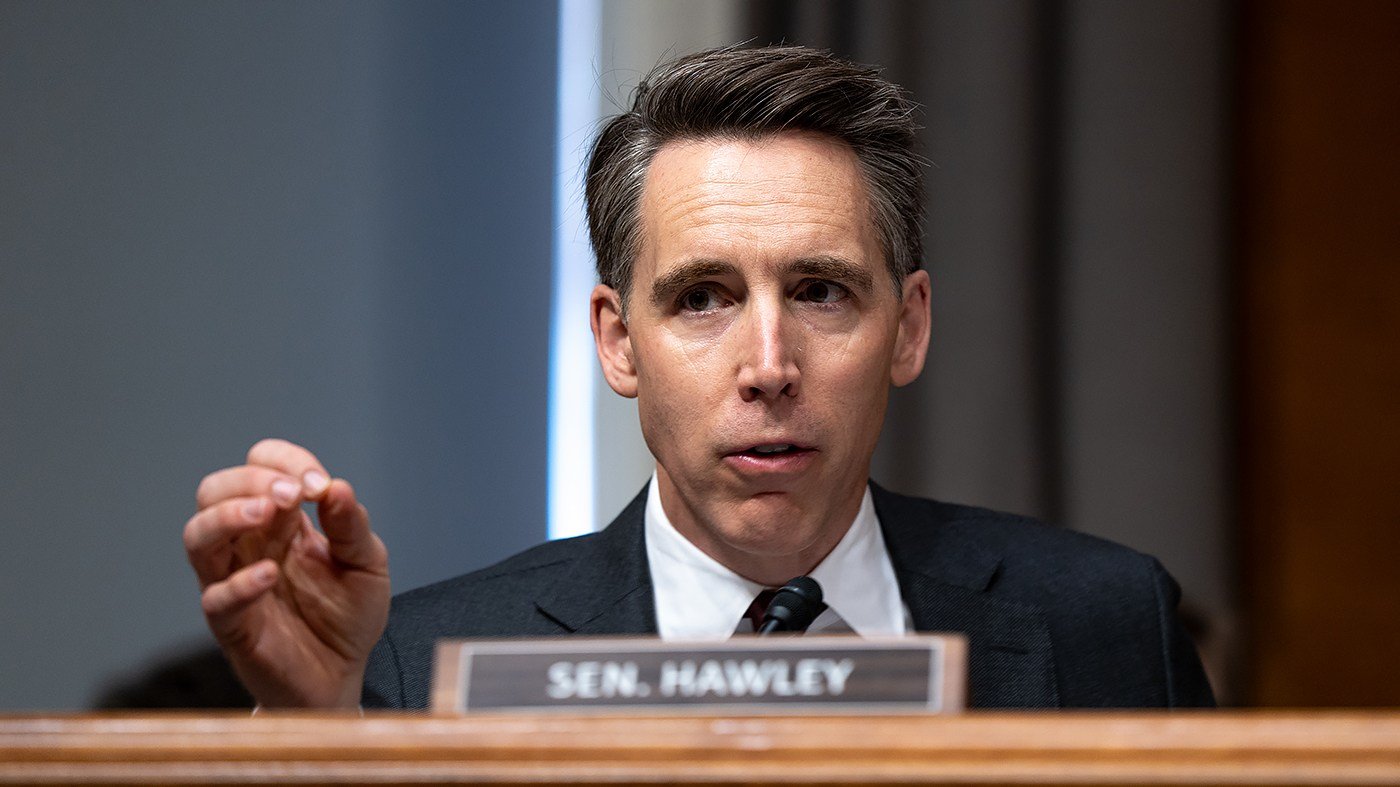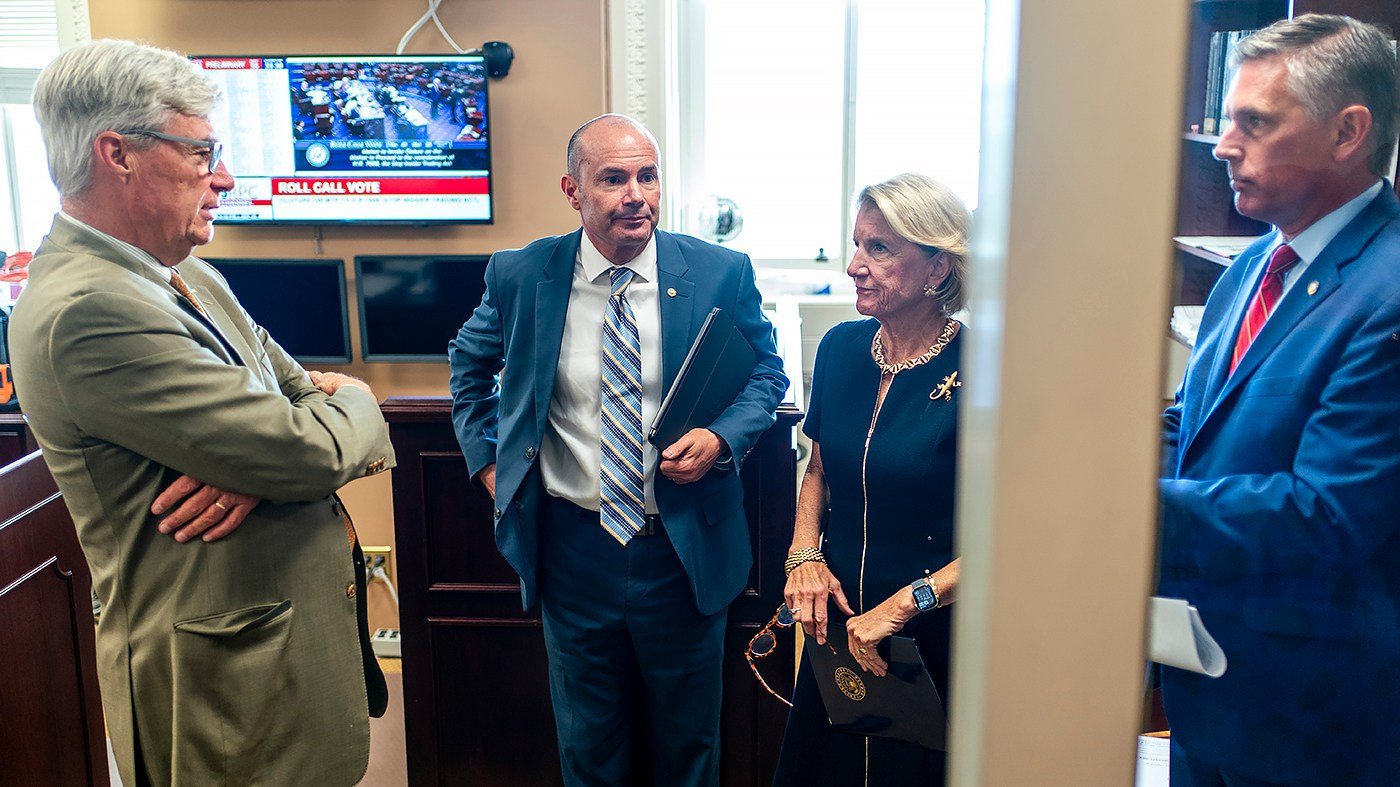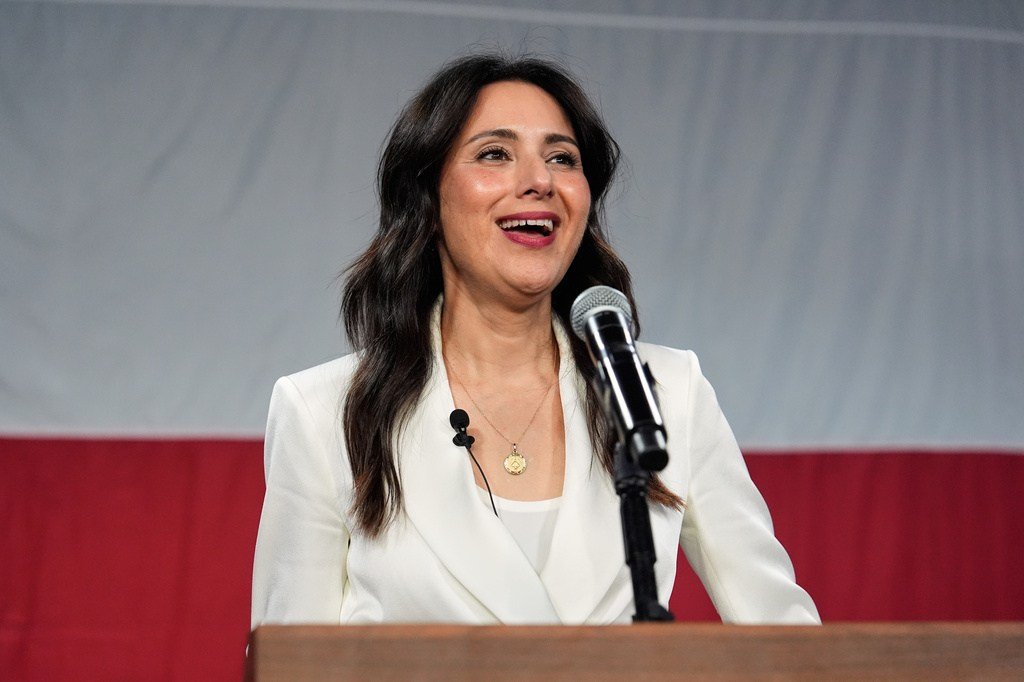
The 2026 midterms delivered a political earthquake that extended far beyond Capitol Hill. While the Democratic takeover of the House and Senate dominated headlines, the party's gains in statehouses across the country may prove more consequential in the long run. By flipping six governorships and a dozen legislative chambers, Democrats have not only expanded their governing footprint but also positioned themselves to fundamentally alter how presidents are elected.
Among the historic firsts from November 3: Chris Pappas of New Hampshire became the first openly gay U.S. senator; Abdul El-Sayed of Michigan the first Muslim senator; Scott Colom of Mississippi the first Black senator from that state since Reconstruction; Peggy Flanagan of Minnesota the first Native American woman senator; Annie Andrews of South Carolina the first woman elected to the Senate from her state; Josh Turek of Iowa the first senator with spina bifida; and Julia Letlow of Louisiana the first Republican woman senator from her state.
But the gubernatorial races were equally groundbreaking. Keisha Lance Bottoms of Georgia became the first Black woman governor in American history; Deb Haaland of New Mexico the first Native American woman governor; Gina Hinojosa of Texas the first Latina governor; Xavier Becerra of California the first elected Latino governor; Amy Acton (Ohio), Amy Klobuchar (Minnesota), and Marsha Blackburn (Tennessee) the first female governors of their states; and Aaron Ford (Nevada), David Crowley (Wisconsin), and Byron Donalds (Florida) the first Black governors of their states.
These state-level victories are not just symbolic. Before the election, Republicans held 26 governorships to the Democrats' 24. Now Democrats hold 30, giving them control of states where more than 75% of Americans live. They also flipped 12 Republican-controlled legislative chambers—the most in a single election since 2010—and gained 364 state legislative seats. Democrats now hold 22 state government “trifectas,” where one party controls both the governor's office and both legislative chambers.
The significance of these gains extends beyond sheer numbers. With a Republican-controlled Congress largely deferring to President Trump over the past two years, state capitols became the primary battleground for opposing his policies on immigration, mass deportations, election security, Medicare, Medicaid, and climate change. Now, with six additional Democratic governors, that resistance will only strengthen, as Democrats face the challenge of translating their electoral wins into effective governance.
Perhaps the most far-reaching consequence is the renewed push to eliminate the Electoral College. The National Popular Vote Compact, which would award all electoral votes to the winner of the national popular vote, has been adopted by 18 states and the District of Columbia, totaling 222 electoral votes—just 48 short of the 270 needed to activate the compact. With new Democratic governors in Nevada (6 votes), Arizona (11), Michigan (15), Wisconsin (10), and Pennsylvania (19), the compact could gain an additional 61 votes, making it mathematically possible to bypass the Electoral College without a constitutional amendment.
This matters because five times in U.S. history, a president has won the White House without winning the popular vote—including two in this century, George W. Bush and Donald Trump. The Electoral College has long been criticized as undemocratic, and over 1,000 resolutions have been introduced in Congress to abolish it. The compact offers a practical path forward, and the 2026 midterms may have brought it within reach.
As the Democratic landslide reshapes the political landscape, the state-level shifts could prove more enduring than any congressional majority. The ability to govern effectively at the state level, and potentially to reform the presidential election system, will be a lasting legacy of this election cycle.