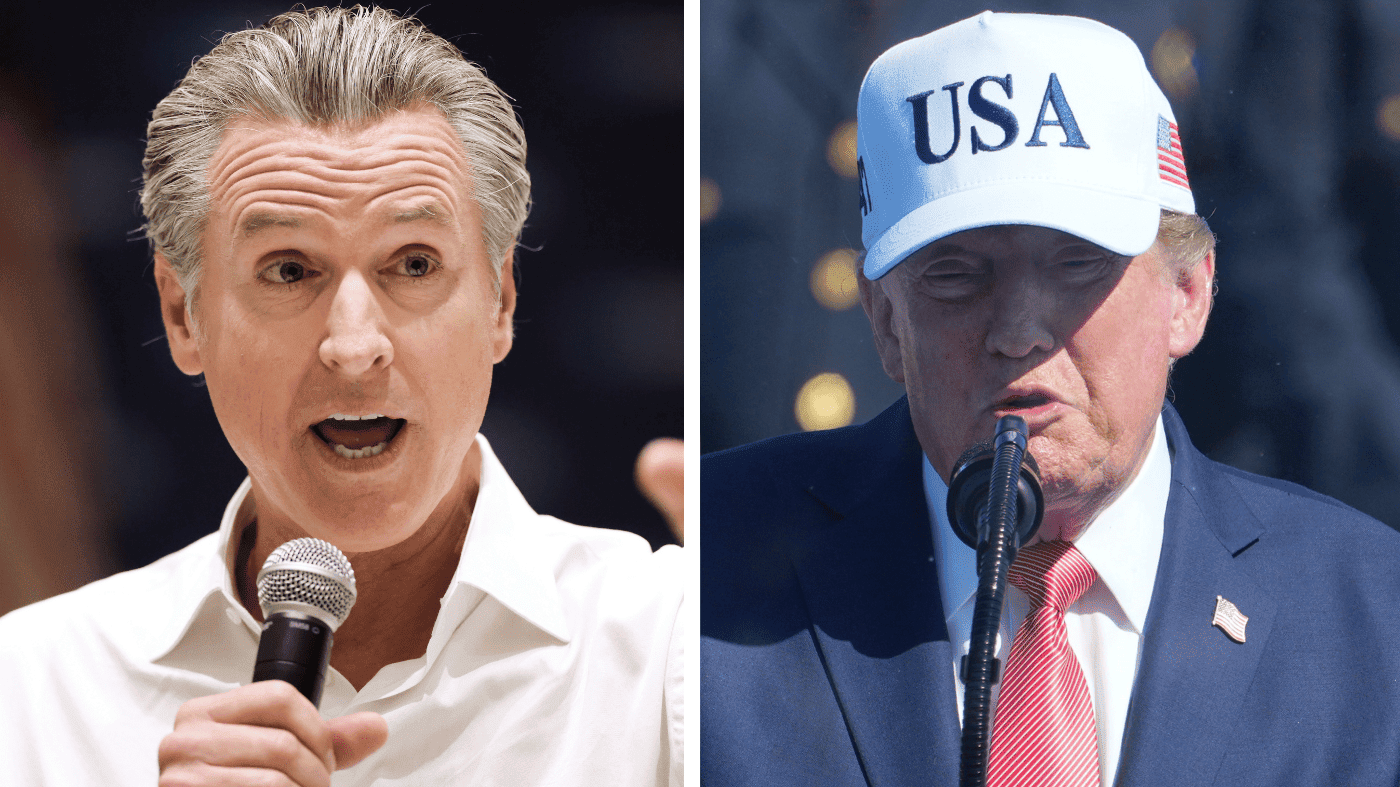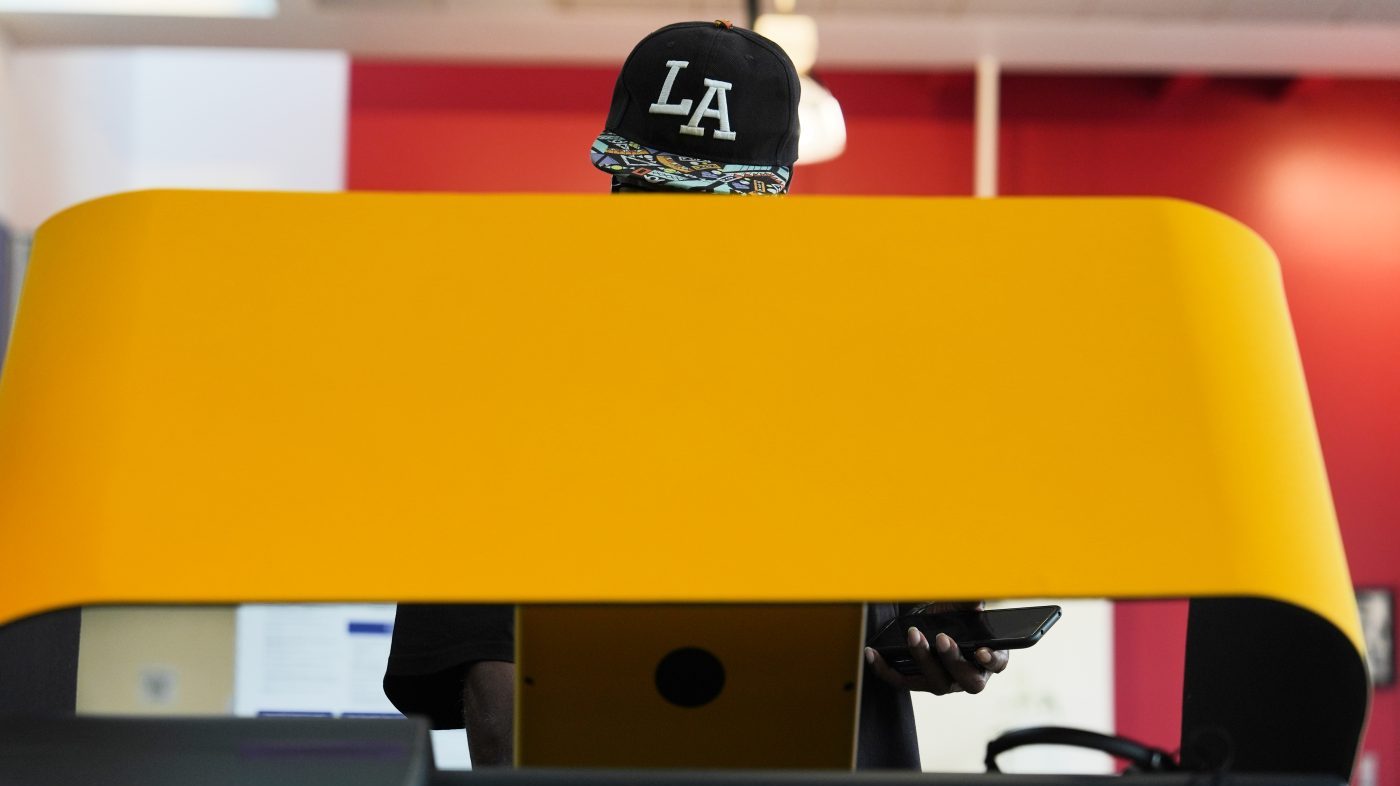
California is under mounting pressure to overhaul its notoriously slow vote-counting process after this month's primary gave President Trump and his allies fresh ammunition to cast doubt on election integrity.
The delayed tallying of mail-in ballots reshaped key races, including the Los Angeles mayoral contest, where late-counted votes shifted outcomes. Trump seized on the delays to revive unsubstantiated allegations of election fraud, accusing Democrats of "cheating" and abruptly ending an NBC News interview when pressed on the claims.
Election officials and campaign operatives from both parties say there is "zero evidence" of widespread fraud, as California GOP strategist Rob Stutzman told The Hill. But the delays have become "a bit of a joke" that leaves "a lot of daylight to be exploited by conspiracy theorists or by people who just want to advance the notion of stolen elections, like the president does," Stutzman added.
The state's reliance on mail-in voting and a strict signature verification process means it takes longer than most states to count ballots. Many Democrats, including Gov. Gavin Newsom, have acknowledged the need for speed. Newsom sent a letter in May urging election officials to hurry, warning that "the longer the voting count takes, the more mis- and disinformation spreads."
But the primary saw a surge of last-minute mail-in ballots, largely from Democrats in the crowded governor's race, overwhelming officials and prolonging the count. As those ballots were tallied, results shifted—including in the L.A. mayor's race, where Republican candidate Spencer Pratt was knocked out of the runoff.
Thad Kousser, a political science professor at UC San Diego, told The Hill that "the intense national focus on California's lengthy period of casting votes, in an election that's frankly not that close, I think it may spur action." He stressed that "in the vacuum created by the lack of results, rumors and conspiracies will fly."
Democrats insist the process is robust, noting that the public can monitor vote counting via livestreams. Paul Mitchell, vice president of Political Data, said "nobody's harmed by it taking longer," adding that "the election's not until November. There's no harm in taking time to make sure it's done right." Rep. Ted Lieu compared the process to a football game, noting "the score at halftime is different than the score at the end of the game, doesn't mean there's fraud."
Yet Democratic strategist Darry Sragow acknowledged the tension between the desire for quick results and the need for accuracy. "Allowing votes to be counted, even if it takes a week... runs against that desire on the part of a lot of voters," he said. Sacramento Democrats are discussing how to address the issue.
Kousser's research shows that delays breed distrust even without public figures crying fraud. He suggests pre-warning voters that the process will be lengthy can help. But "we generally don't fund election officials to do these large communication campaigns," he said, and "the megaphones that people casting doubt on elections have are much louder."
This controversy echoes broader debates over election integrity, including Trump's ceasefire blunder handing Iran a lifeline and his Board of Peace under fire. As California grapples with its vote count, the national spotlight intensifies the push for reform.