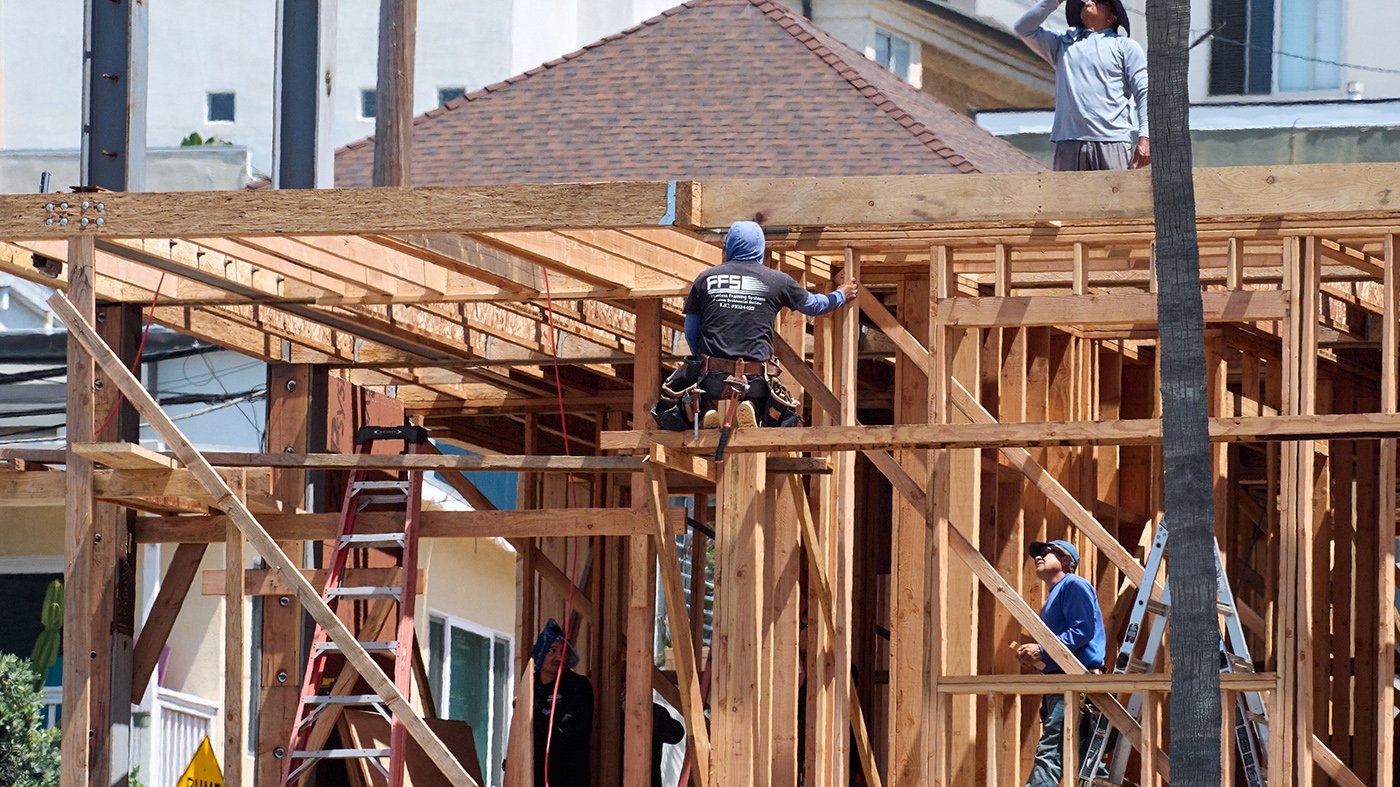
Congress is on track to pass a significant bipartisan housing package, the 21st Century ROAD to Housing Act, after months of tense negotiations between House and Senate Republicans. The bill, which cleared a key procedural vote in the Senate on Thursday, represents a rare legislative achievement in a year marked by shutdown threats and partisan gridlock. Lawmakers in both parties are eager to claim credit for addressing the nation's housing affordability crisis.
The legislation rolls back certain permitting regulations and places new limits on large corporations purchasing single-family homes. It also includes over 45 provisions aimed at boosting housing supply, such as grants and loans for renovating aging homes, repurposing vacant buildings, and expanding the definition of manufactured housing. A key provision ties federal grants to local governments' efforts to increase housing construction, while another streamlines environmental reviews that often delay affordable housing projects.

Sen. Elizabeth Warren (D-Mass.) and Sen. Tim Scott (R-S.C.) have been the driving forces behind the bill in the Senate, alongside House sponsors Rep. French Hill (R-Ark.) and Rep. Maxine Waters (D-Calif.). Warren declared on the Senate floor, “America is in a full-blown housing crisis... But for too long, the federal government has been asleep at the switch, and that changes today.” She called it the biggest housing bill to pass Congress in three decades, assuming it reaches President Trump’s desk.
Supporters see the package as a long-overdue shift from merely subsidizing homeownership to tackling the root causes of high costs. “For years the pro-housing movement has really tried to shift the question from how do we help people afford homes to how do we solve the underlying problem of why homes are so expensive in the first place,” said Baillee Brown, head of government affairs at Inclusive Abundance, a nonprofit advocating for increased housing supply.
However, the bill has drawn criticism from both sides. Sen. Chris Murphy (D-Conn.) called it “an important first step” but warned against overhyping its impact. “It will be marginally helpful in my state, but it's no new real dollars. It doesn't unlock a lot of our permitting and zoning problems,” Murphy said, adding that “there's a lot more we have to do.” The package notably lacks significant new federal funding for affordable housing programs, a priority for Warren and other Democrats that may still be addressed in separate spending bills.
Eight Republican senators voted against advancing the bill. Sen. Alan Armstrong (R-Okla.) explained he opposed it because it merely waives the National Environmental Policy Act for housing projects rather than enacting comprehensive permitting reform. “Rather than actually tackling it, and you know, really fixing the problem, it just waives NEPA for housing,” Armstrong said. Sen. Rick Scott (R-Fla.) voted no on the grounds that housing is a local issue and that the real solution lies in lowering interest rates through a balanced budget and better local governance.
The Senate is scheduled for a final vote on the housing package Monday night, with the House expected to take it up later in the week. If passed, it will mark a rare moment of bipartisan consensus in a Congress otherwise consumed by infighting — as seen in recent clashes over the third reconciliation package and the chaos surrounding Trump's DNI pick.
The bill also addresses the role of large investors in the housing market, a point of contention between House and Senate Republicans. Sen. Steve Daines (R-Mont.) noted the provision curbing private equity firms from buying homes, saying it “is another benefit for homeowners across the country, including Montana.” The measure aims to prevent corporations from driving up prices and reducing supply, a concern that has resonated with voters in many states.