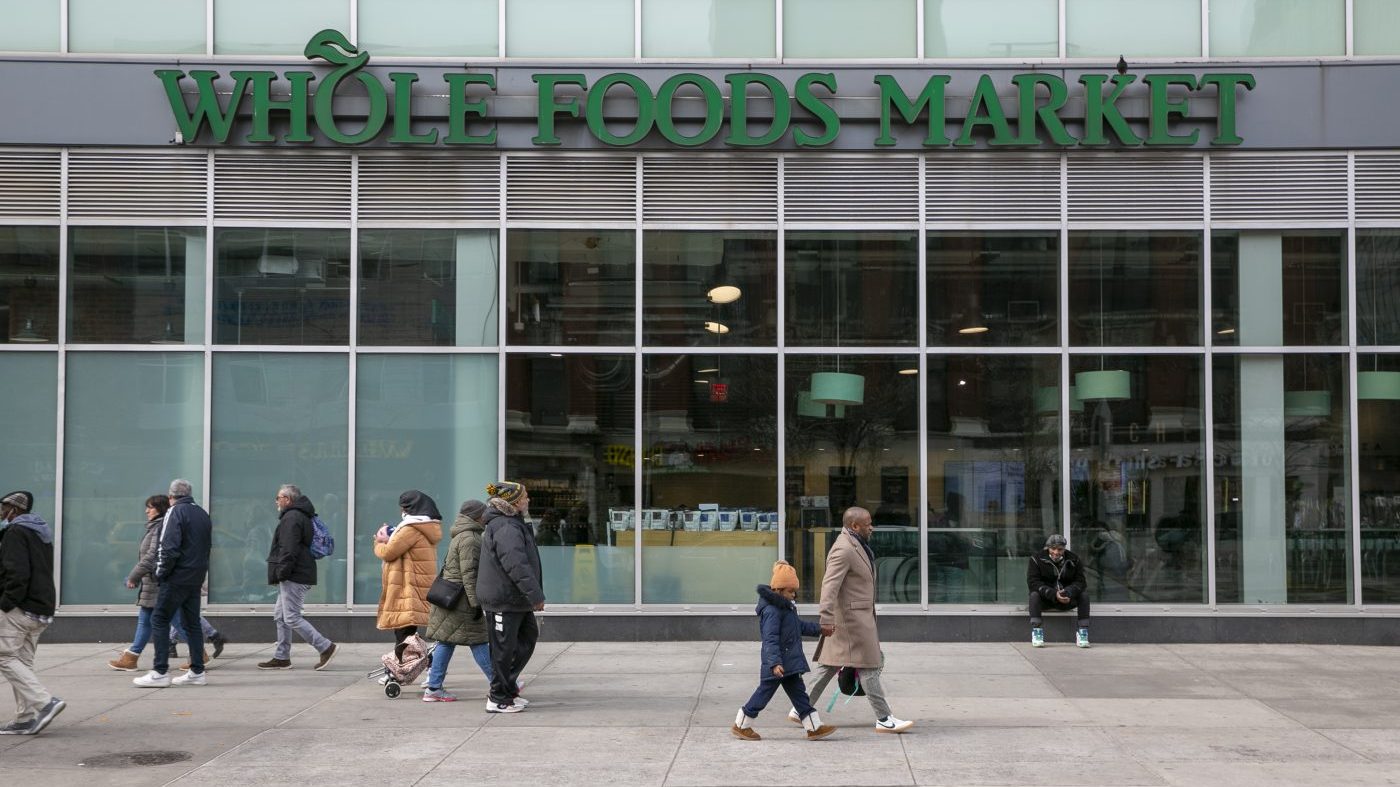
The National Labor Relations Board has ruled that Whole Foods did not break federal labor law when it prohibited employees from wearing clothing or accessories emblazoned with "Black Lives Matter" or "BLM," a victory for the Amazon-owned grocery chain in a dispute that has simmered since the racial justice protests of 2020.
In a 2-1 decision released Friday, the Republican-controlled board concluded that workers who donned such items were not engaged in protected concerted activity because their messages did not relate to terms and conditions of employment. The ruling allows the company to enforce its dress code and discipline employees who refuse to comply.

The case stems from Whole Foods' policy, adopted in 2013 as part of a settlement with the NLRB in an unrelated matter, requiring employees to wear company-issued shirts without visible slogans, logos, or advertising. When the company barred Black Lives Matter apparel in 2020, it argued the ban was consistent with that neutral dress code.
In its decision, the board also partially overturned an administrative law judge's earlier ruling that found the dress code overly broad. The majority held that the policy's prohibition on visible messages was lawful, even as it applies to buttons, pins, and masks.
David Prouty, the board's sole Democratic member, dissented. He argued that Whole Foods improperly expanded its policy by removing the word "printed" from the settlement language, thereby extending the ban to accessories beyond printed clothing. Prouty said the change gave the company too much latitude to suppress employee expression.
The decision marks a notable departure from a separate case involving Home Depot. In 2024, the NLRB ruled against the home improvement retailer for barring workers at a Minnesota store from displaying "BLM" messages on their aprons. In that instance, employees had linked the messages to complaints about race-based harassment in the workplace, which the board deemed protected activity.
Legal observers say the distinction hinges on whether the message is tied to workplace grievances. In the Whole Foods case, the board found no such connection, even though the protests following George Floyd's killing were national in scope.
The ruling could have broader implications for how employers handle political and social messages in the workplace, particularly as companies navigate polarized public discourse. It also underscores the ideological split on the labor board, which has shifted under Republican leadership.
Whole Foods and its parent company Amazon have not publicly commented on the decision. The case is one of several high-profile labor disputes involving the company, which has faced criticism from workers over pandemic safety and unionization efforts.