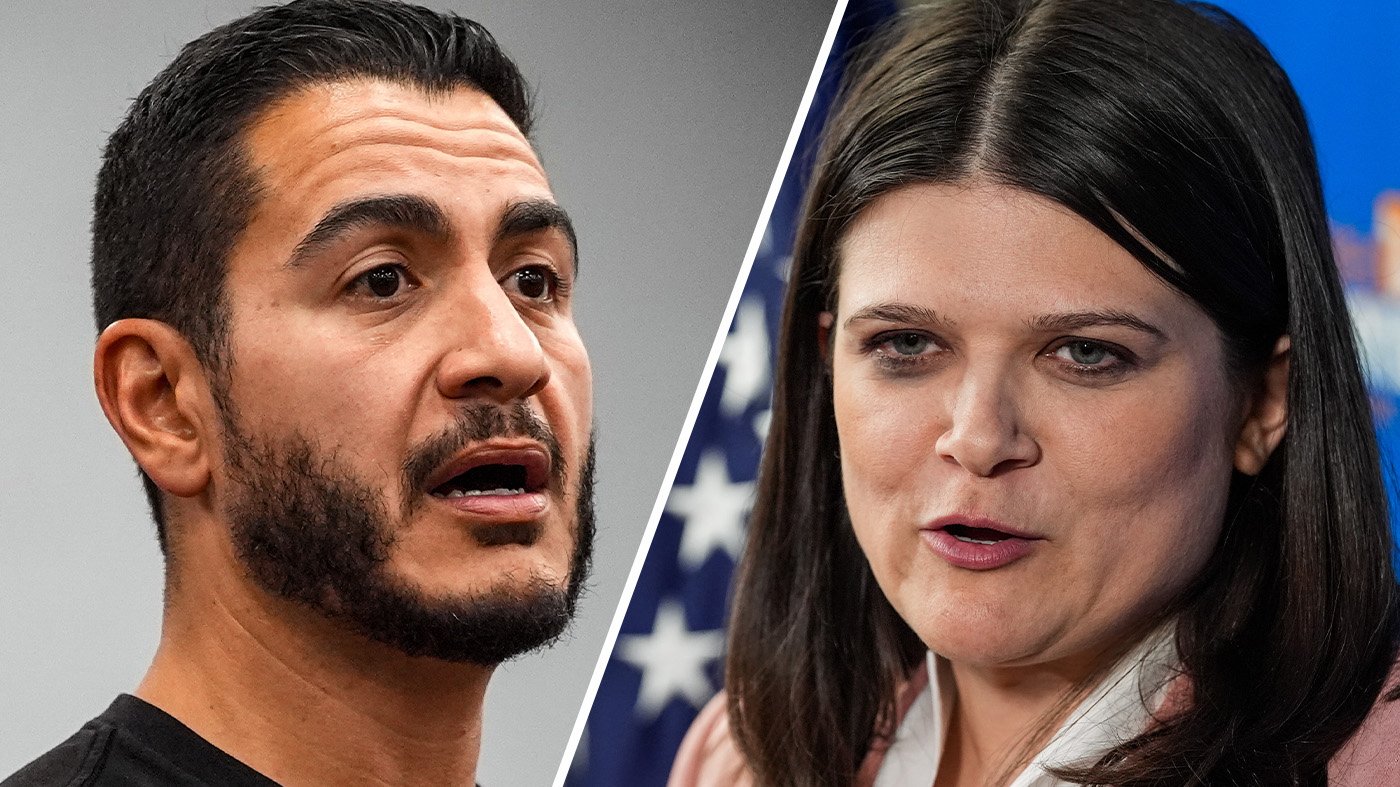
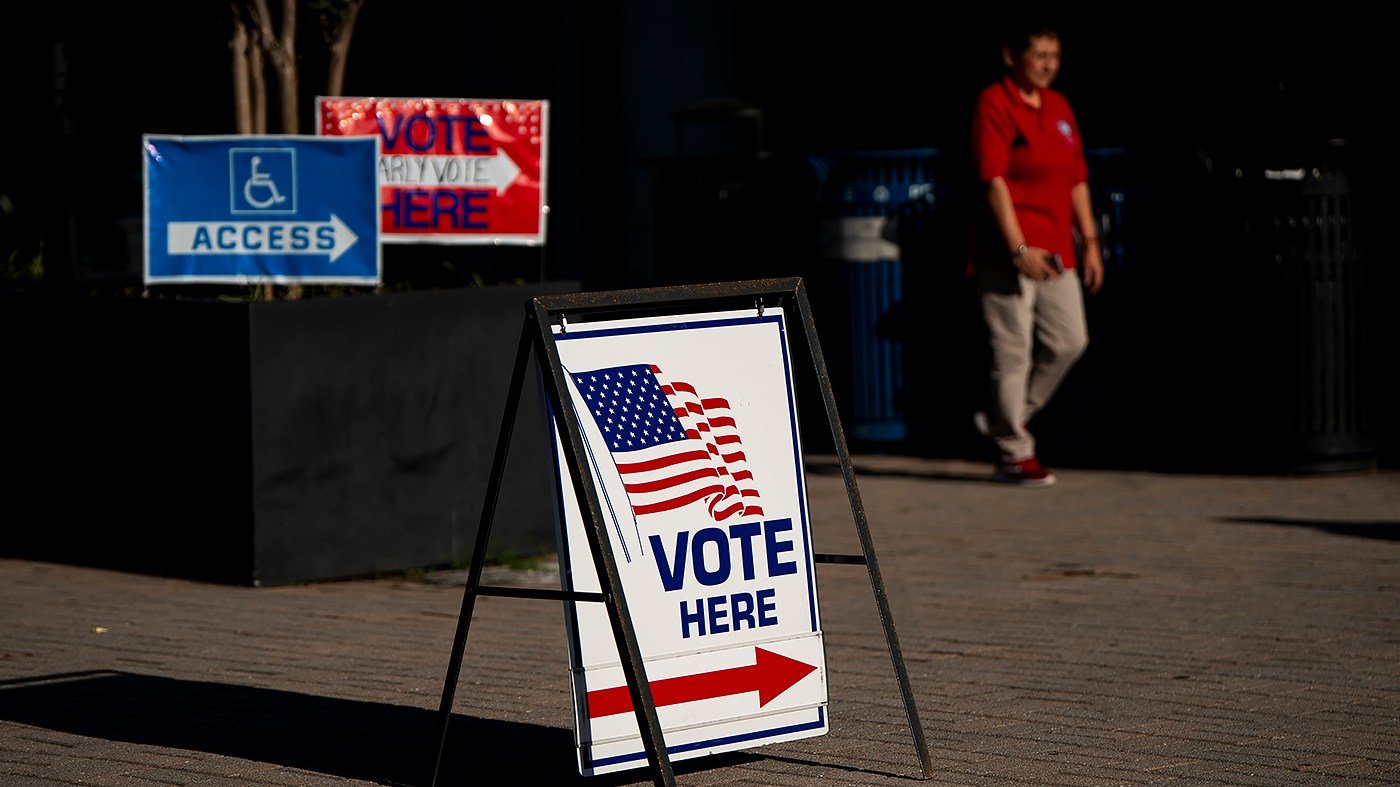
Michigan's Democratic Senate primary remained too close to call early Wednesday, with Abdul El-Sayed holding a narrow lead over Rep. Haley Stevens. With nearly all votes counted, El-Sayed had 49 percent to Stevens's 47 percent, according to Decision Desk HQ. The outcome will determine who faces Republican Mike Rogers in November, a race that could decide control of the Senate.
The contest has become a proxy war for the Democratic Party's ideological future. El-Sayed, a progressive and former Detroit health director, has rallied the party's left wing with calls for Medicare for All and a cease-fire in Gaza. Stevens, a centrist and former auto industry aide, has emphasized her legislative record and ability to win swing voters. The race is a test of whether the party's base is ready to embrace its most vocal progressive voices after the 2024 losses.
Mallory McMorrow, who dropped out in July, still pulled 4 percent of the vote, a sign of lingering support for her message of unity. Both El-Sayed and Stevens acknowledged the tight margins. "We knew this was going to be a close race, and that's exactly what we've got," Stevens said early Wednesday. El-Sayed, while cautious, turned his focus to the general election: "Whatever happens tonight, we have a responsibility to unite to make sure Mike Rogers never sees the inside of the U.S. Senate."
The winner will take on Rogers, a former congressman and Trump-backed candidate who narrowly lost to Sen. Elissa Slotkin in 2024. The seat, being vacated by retiring Sen. Gary Peters, is a must-hold for Democrats. Cook Political Report rates it a toss-up, and Decision Desk HQ gives Democrats a slight edge but warns that a Republican win would boost their chances of retaining the Senate majority to 86 percent.
Tuesday's primaries also exposed broader Democratic infighting. In Michigan's 7th Congressional District, Will Lawrence, co-founder of the Sunrise Movement, won the Democratic nod to face GOP Rep. Tom Barrett. Lawrence's victory, aided by a split among moderate candidates, has centrists worried about the party's ability to win in swing districts. The Lawrence upset is a sign of the left's growing influence.
AIPAC's super PAC, United Democracy Project, spent roughly $25 million to boost Stevens and attack El-Sayed, who has called Israel's actions in Gaza a genocide and criticized U.S. aid to Israel. With the race too close to call, the investment's payoff is uncertain. The outcome will be closely watched as a measure of AIPAC's influence in Democratic primaries.
Elsewhere, Trump's preferred candidates won key gubernatorial primaries. In Kansas, Masterson won the GOP nod with Trump's backing, while in Michigan, the governor's race is set for a high-stakes fall clash between Democrat Benson and Republican James. These results set the stage for competitive general elections.
In Missouri, Rep. Wesley Bell fended off a comeback attempt by Cori Bush in the 1st District, a race that also drew significant outside spending. The results underscore the ongoing battle between the party's progressive and moderate wings, with implications for the 2026 midterms and beyond.