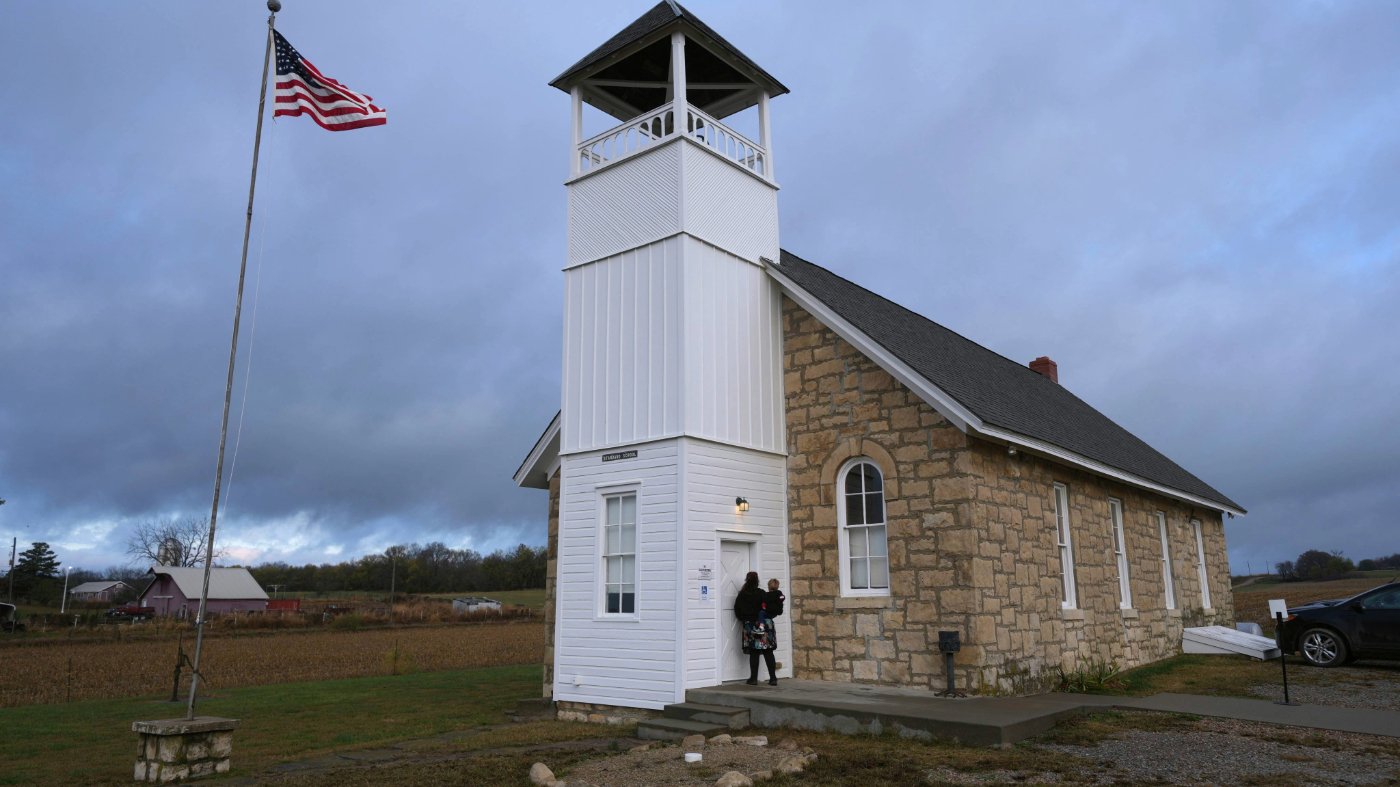
As the United States nears its 250th anniversary, a bipartisan commission is launching a nationwide listening tour aimed at crafting a modern federal strategy for rural America. The effort, led by former Democratic Senator Heidi Heitkamp of North Dakota and former Republican Governor Chris Sununu of New Hampshire, seeks to address what they describe as decades of policy neglect that has left rural communities ill-equipped for profound technological, demographic, and economic shifts.
The Stakes for Rural Communities
The pressures facing the nation are felt most acutely in rural towns and counties, where the outcomes of current societal transformations—from technological disruption to fiscal constraints—will determine whether these regions revitalize or continue to decline. For years, Washington has operated without a coherent national approach for these areas, resulting in policy swings that create uncertainty rather than stability.
Recent administrations have made large promises. Biden-era investments in infrastructure, clean energy, and tech manufacturing offered potential, yet projects like the stalled $20 billion Intel site in Ohio highlight the difficulty of translating federal ambition into local reality. Conversely, policies from the Trump administration, including the implementation of H.R. 1 and aggressive immigration enforcement, have introduced new uncertainties for rural healthcare and local economies dependent on sectors like agriculture.
A Commission Built on Local Listening
Heitkamp and Sununu, who both represented substantial rural constituencies, argue that successful policy must be rooted in local insight. Their commission, facilitated by the Brookings Institution and the American Enterprise Institute, has already conducted hearings in North Dakota, Minnesota, and the Mississippi Delta. They have gathered testimony from farmers, tribal leaders, small business owners, and local officials.
A consistent theme has emerged: communities possess significant ingenuity and commitment but are often hamstrung by the bureaucratic complexity of federal programs. Residents in the historically underinvested Delta spoke candidly about struggles with economic opportunity, workforce development, healthcare access, and aging infrastructure.
"We witnessed creative, committed people solving local problems with ingenuity, but struggling to manage the complex requirements of federal programs," the authors note, drawing from their visits. This disconnect has fostered a widespread sense that national leaders neither understand nor prioritize rural interests.
Bridging Divides in a Polarized Era
In today's political climate, such a bipartisan partnership is notable. The commissioners contend it reflects a public desire for cooperation, citing surveys showing over 90% of Americans want politicians to stop dividing the country and work together on solutions. They directly challenge the narrative of "two Americas"—one urban, one rural—arguing the prosperity of each is inextricably linked to the other.
The commission's work intersects with broader policy debates in Washington. For instance, the challenge of securing long-term investment mirrors the goals of legislation like the bipartisan CERTAIN Act, which aims to protect infrastructure projects from political reversal. Furthermore, discussions on rural healthcare access occur alongside the political fallout from measures like Trump-era immigration enforcement, which reshaped labor markets critical to these economies.
The Path to the Semiquincentennial
With the nation's semiquincentennial approaching, Heitkamp and Sununu frame their mission as essential to the next chapter of the American story. They argue that rural communities must be engaged as partners, leveraging their talent and resilience to build a shared future. The commission's ongoing tour and final recommendations will test whether a fractured political system can still generate pragmatic, localized solutions for the parts of America that feel most overlooked.
The success of this initiative could signal whether Washington can move beyond the partisan battles that dominate headlines, such as the recent controversy surrounding Eric Swalwell's resignation, and address foundational issues of economic equity and community vitality that extend beyond electoral cycles.