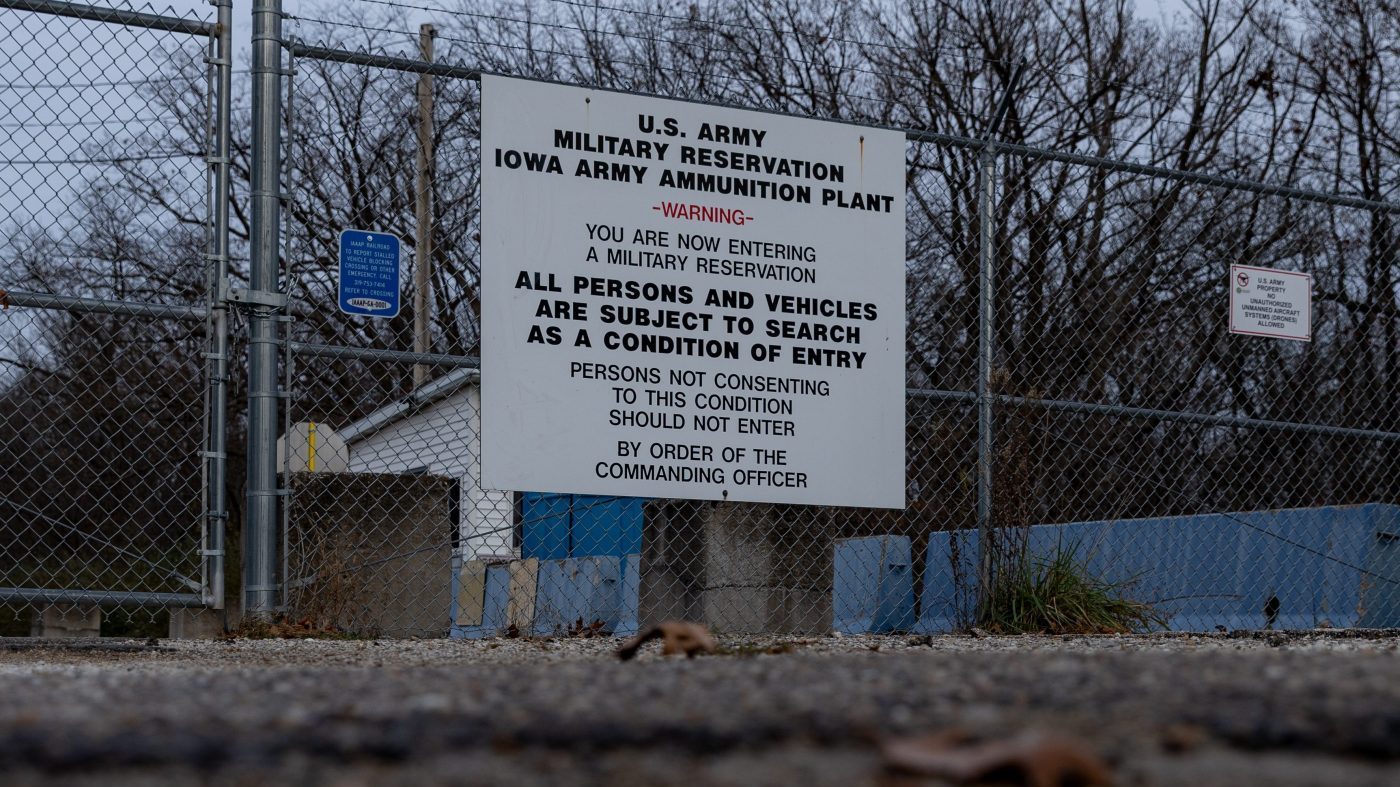
The U.S. Army carried out a controlled detonation of explosives in Middletown, Iowa, on Wednesday, a move that has drawn sharp criticism from local residents and public health experts concerned about the release of toxic lead into the air.
Military officials said the demolition was necessary to eliminate the risk of an unplanned explosion involving lead azide–containing munitions. But critics are questioning how such hazardous materials ended up in a vulnerable state in the first place, and why the situation was allowed to escalate to the point where detonation became the only apparent option.

To limit the spread of lead particles, the Army said it deployed a “water wall” as a mitigation measure, designed to absorb the blast's force and reduce the amount of lead that could reach nearby communities. The Environmental Protection Agency (EPA) was on site with air-monitoring equipment during the operation and is expected to conduct soil and water sampling in the aftermath.
President Trump took to social media to praise the military's handling of the situation, writing, “Early reports from Iowa are that the Army's mitigation efforts have far exceeded expectations.”
Still, local officials ordered evacuations for residents in Middletown and for those living within a five-mile cone to the southwest. Public health experts warn that lead exposure poses serious risks, particularly for children. According to the EPA, lead can cause brain and nervous system damage, learning disabilities, behavioral problems, and lower IQ in kids. In severe cases, it can lead to seizures, coma, or even death.
Adults are not immune either. Chronic lead exposure has been linked to kidney dysfunction, cardiovascular issues, and fertility problems. Pregnant women face additional dangers, including premature birth, low birth weight, developmental harm to the fetus, and an increased risk of miscarriage or stillbirth.
The detonation highlights broader concerns about the military's handling of aging or unstable munitions. Similar incidents have occurred at other installations, raising questions about whether the Pentagon is doing enough to prevent such risks. For a deeper look at how the military's procurement and maintenance practices can create these hazards, see our analysis of fragmented defense spending.
As the EPA continues its on-site monitoring, residents are left waiting to see whether the mitigation measures were truly effective. The long-term health impacts, if any, may not be known for years. This incident also adds to the growing body of evidence about the lingering dangers of toxic exposures, much like the legacy of wildfires on drinking water.
The Army has not yet announced when residents will be allowed to return, or what further cleanup efforts might be required. For now, the community remains on edge, and the political fallout over the decision to detonate could continue for some time.