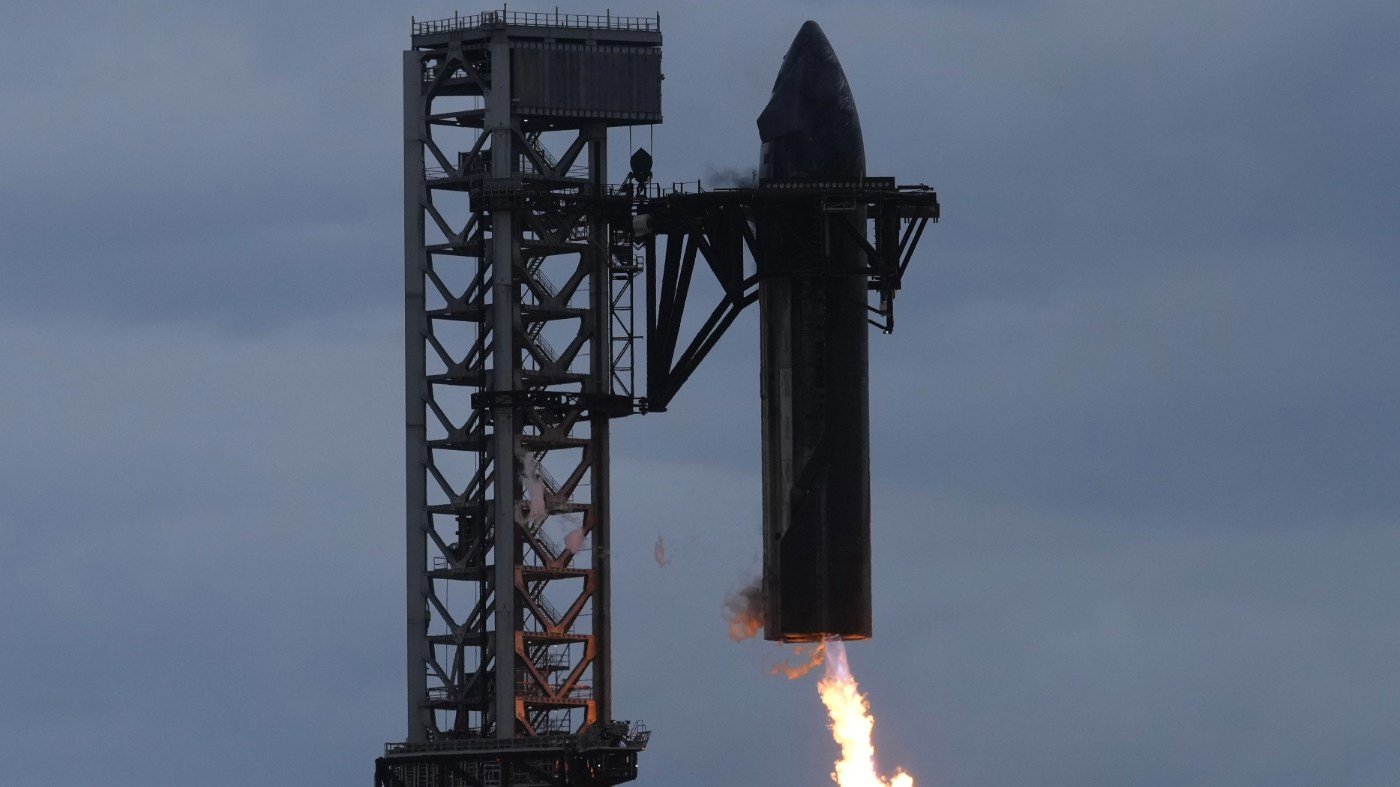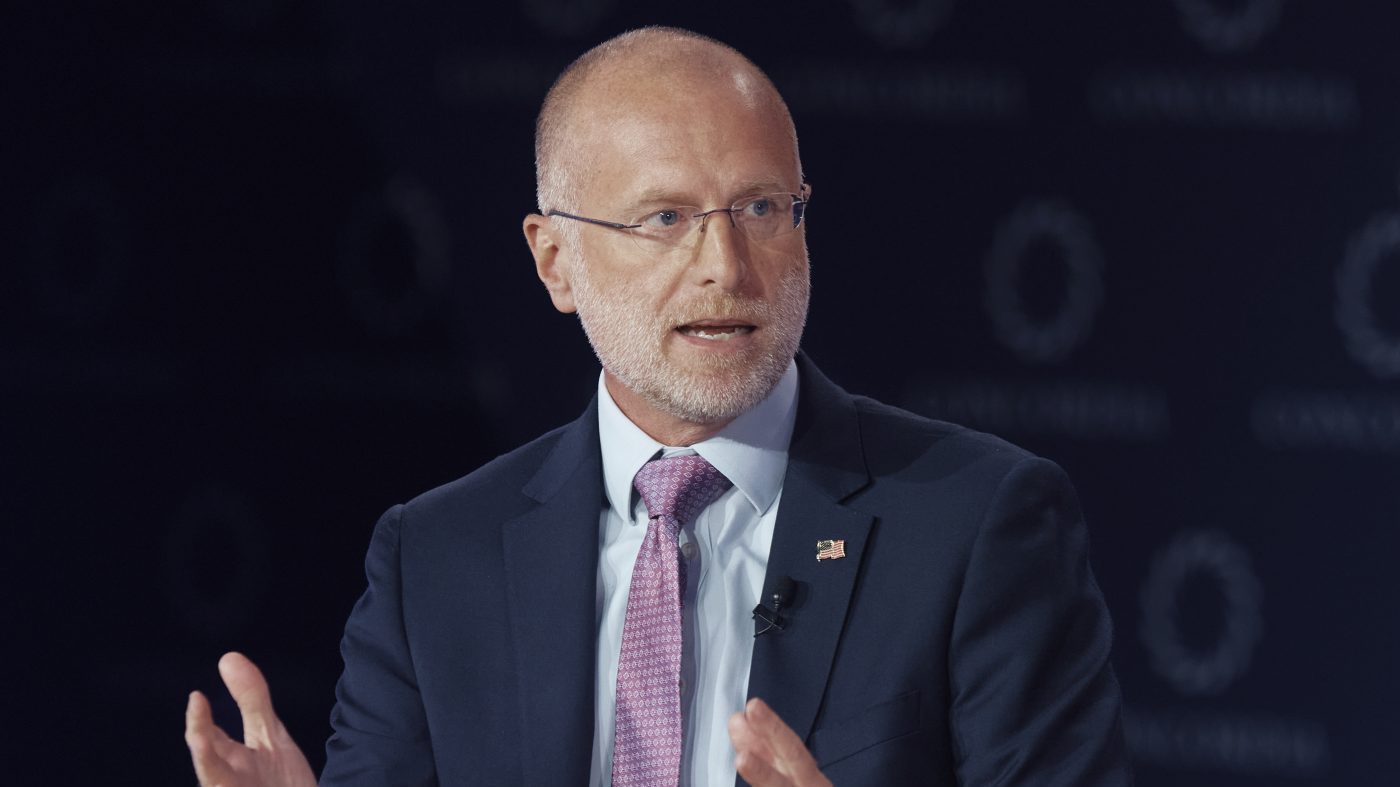
The Federal Communications Commission has signed off on SpaceX's ambitious plan to place up to one million data centers in orbit, a project designed to meet the surging computational needs of artificial intelligence. FCC Chairman Brendan Carr framed the decision as a key step for American competitiveness, stating that moving compute capacity off-planet is exactly the kind of innovation the country needs.
"By moving compute capacity beyond Earth, SpaceX and the many competitors working on their own orbital data centers are meeting the moment," Carr said in a statement. He added that this initiative "unites our strengths in space and advanced technology" and could reinforce U.S. economic leadership and expand prosperity at home.

The 15-year authorization requires SpaceX to launch its first orbital station by November 25, 2033, with additional milestones stretching to 2040. Carr noted on social media that this is the first time the agency has approved a permit for such a large constellation, which SpaceX has dubbed "Starmind." Elon Musk responded on X, thanking the chairman and calling the project "a great asset to America and the world."
The approval comes as data centers face growing local opposition across the United States. In November's midterm elections, several communities voted against new data center projects, reflecting public frustration over energy use and environmental impacts. In response, SpaceX and other tech firms have been exploring orbital facilities powered by solar energy as an alternative.
Musk has previously argued that space-based data centers could help address the escalating energy demands of AI. NASA Administrator Jared Isaacman voiced support in August, suggesting that leveraging solar power in orbit could be transformative. "Let's take our data centers, put them in Earth orbit, take advantage of that free fusion reactor that's out there for us and use that to ensure we do win the ... space race for sure, but the AI race, too," Isaacman said in an interview.
The FCC's decision marks a significant regulatory milestone for a still-emerging industry. While the agency's approval clears a major hurdle, SpaceX will still need to coordinate with other federal bodies, including the Federal Aviation Administration and NASA, for launches and orbital operations. The company did not immediately respond to a request for comment.
This move comes amid broader federal efforts to boost American AI infrastructure, including recent pushes to streamline permitting for terrestrial data centers and expand high-speed internet access. As the demand for AI services grows, the race to secure computing capacity—whether on Earth or in orbit—has become a key policy battleground.
For now, the FCC's green light gives SpaceX a clear path to pursue its Starmind constellation, a project that could redefine how and where the world's data is processed. The coming years will test whether the regulatory and technical hurdles can be overcome to make orbital data centers a reality.