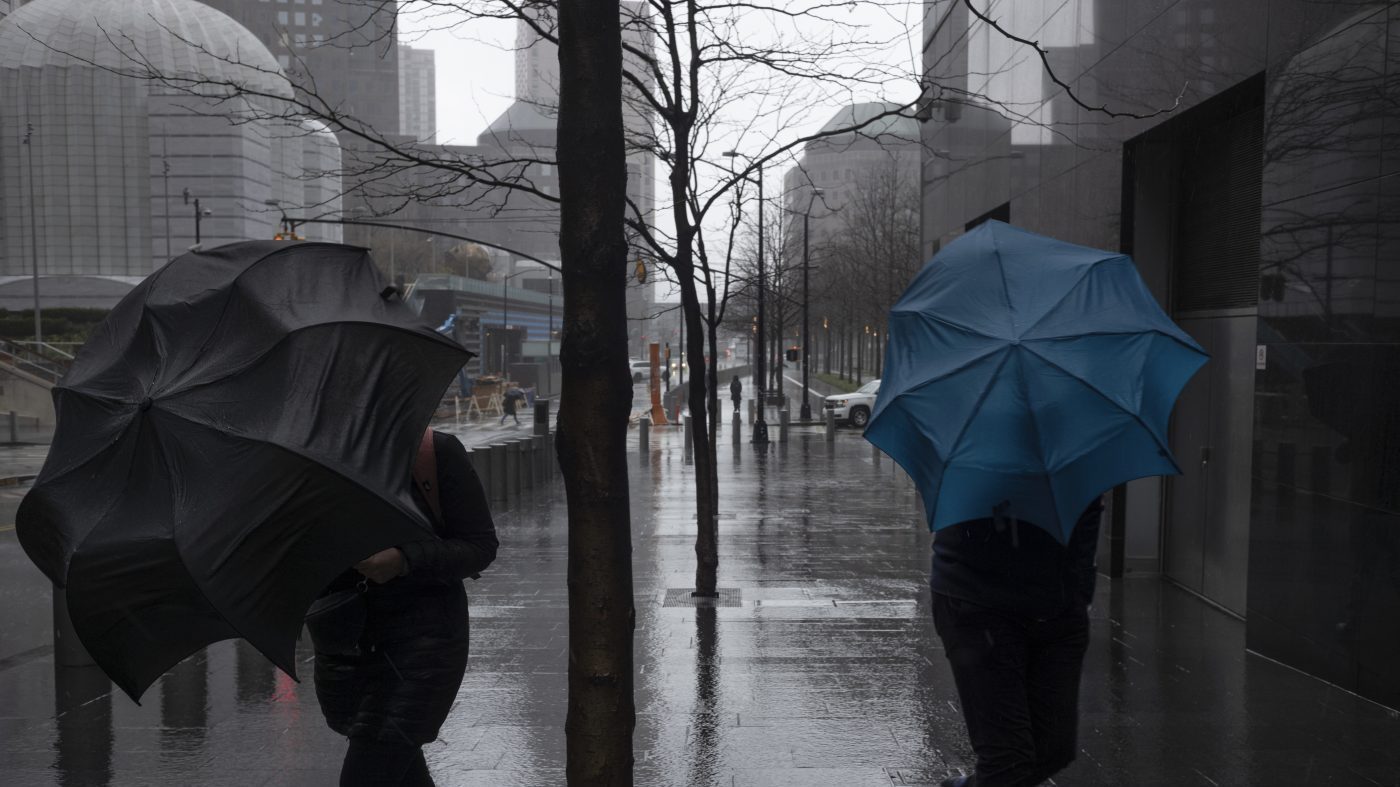
Severe weather is wreaking havoc on Thanksgiving travel plans across the country, with a powerful nor'easter barreling up the East Coast and forcing widespread flight delays and cancellations. The storm has already prompted emergency declarations in New York and New Jersey, and it has also pushed the Macy's Thanksgiving Day Parade from Thursday to Saturday—a rare disruption that underscores the storm's intensity. Travelers are bracing for continued disruptions, with the Northeast facing the threat of a bomb cyclone as the holiday travel rush peaks.
The parade's postponement is a major blow to the iconic holiday tradition, but the storm's reach extends far beyond Manhattan. Airlines have issued waivers for affected airports, and the Federal Aviation Administration is closely monitoring the situation, especially after a recent radar outage at Chicago's O'Hare airport that caused a second disruption in two days. The combination of severe weather and infrastructure challenges is raising concerns about the reliability of the nation's air travel system, a topic President Trump has repeatedly highlighted.
Meanwhile, federal officials are turning their attention to Iowa, where a shelter-in-place order was lifted Wednesday night following the Army's controversial detonation of lead-based explosives. The operation, which had been the subject of intense debate over its potential health and environmental risks, was completed amid lingering questions about the safety of releasing lead into the surrounding community. The Trump administration is hailing the blast as a success, while simultaneously pointing fingers at the Obama administration for the accumulation of the toxic materials. This has sparked a political firestorm, with critics accusing the administration of downplaying the risks and failing to adequately protect public health.
The detonation had been delayed for days as officials weighed the potential consequences, and the decision to proceed has left many residents uneasy. The Army maintains that the operation was carried out with all necessary precautions, but environmental groups and local advocates are calling for a thorough investigation into the long-term effects. The fallout from this operation is likely to continue as federal agencies monitor air and soil quality in the area.
In Washington, the political calendar is heating up as well. Sen. Rick Scott (R-Fla.) is on a collision course with Senate Majority Leader John Thune (R-S.D.) over his demand for a vote on permanent daylight saving time before the end of the year. Scott's push has gained traction among some lawmakers who argue that the time change is outdated, but Thune has been noncommittal, citing the crowded lame-duck agenda. The clash highlights the broader legislative logjam facing Congress as it returns from the Thanksgiving recess, with funding, permitting, and Iran votes looming.
President Trump is spending the holiday in Florida, where he met Wednesday with NATO Secretary General Mark Rutte. The meeting comes amid renewed diplomatic efforts to end Russia's war in Ukraine, with the administration seeking to broker a ceasefire. Trump has been vocal about his desire to bring the conflict to a close, but the path forward remains fraught with challenges, including the question of Ukraine's territorial integrity and the role of NATO in any peace deal.
The intersection of weather, politics, and policy is creating a volatile holiday season. As travelers struggle to reach their destinations, lawmakers are grappling with a host of contentious issues, and the fallout from the Iowa detonation continues to resonate. The coming weeks are likely to be marked by intense political maneuvering, with the lame-duck session set to test the limits of bipartisan cooperation.
For now, the focus remains on the immediate disruptions caused by the storm and the ongoing efforts to address the consequences of the Army's operation. The administration's handling of both situations will likely be scrutinized in the days ahead, as the public seeks answers about the safety of the detonation and the effectiveness of the federal response to the weather emergency.