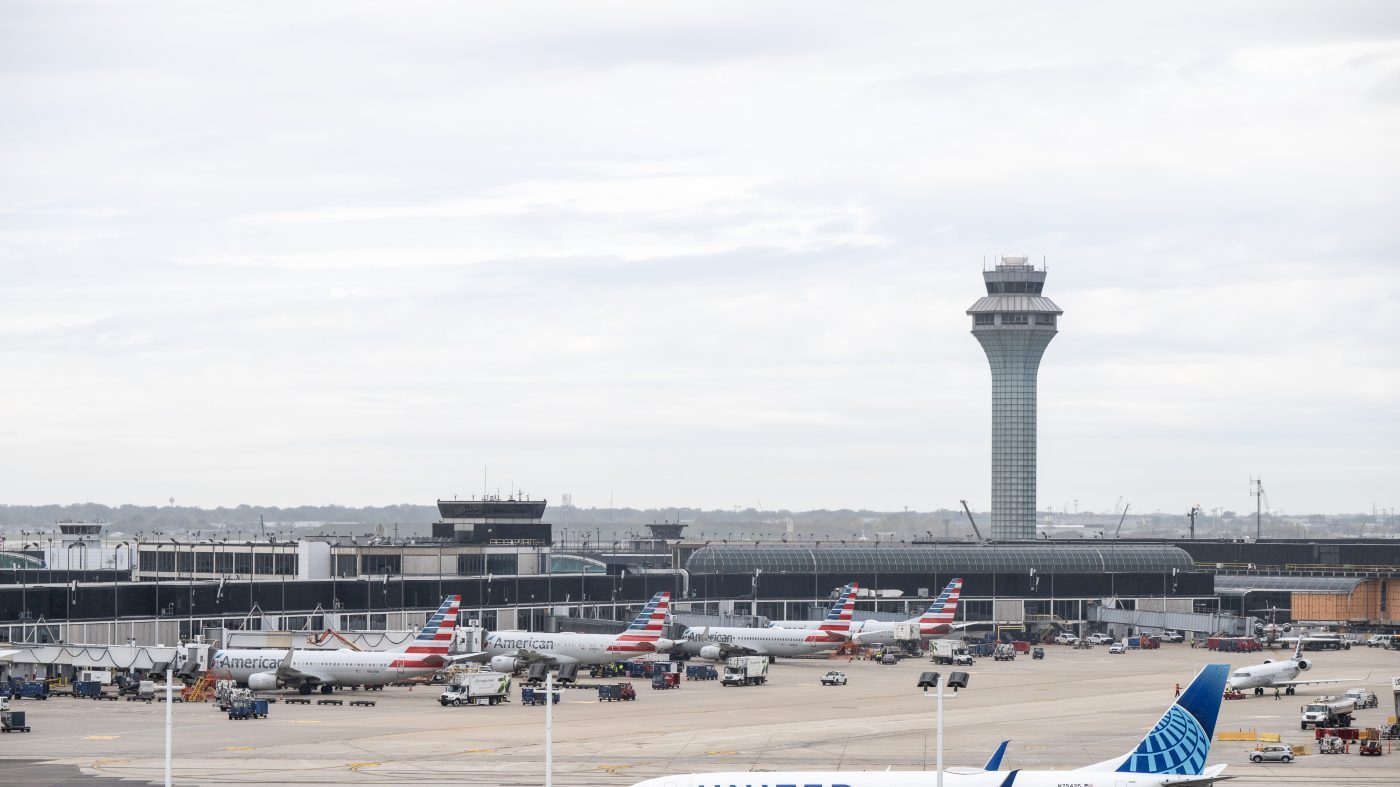
The Federal Aviation Administration briefly halted flights bound for Chicago's O'Hare International Airport on Tuesday afternoon, marking the second such disruption in as many days. The ground stop, which took effect due to an equipment failure in a ground surveillance radar and tracking system, was lifted by late afternoon, but officials warned of lingering delays while technicians continued repairs.
The FAA said the pause applied only to departures from Minneapolis, Milwaukee, Green Bay, and Des Moines, and that the issue was isolated to O'Hare, not affecting other airports or the broader national airspace system. "The issue is specific to O'Hare, and it does not impact all flights nor affect any other airports or FAA systems," the agency stated.
This latest disruption follows a similar ground stop on Monday, which the FAA attributed to staffing shortages at the Chicago Terminal Radar Approach Control. The back-to-back incidents come just days after the FAA's third nationwide ground stop in history, triggered by an outage that officials believe stemmed from an upgrade to a copper router.
These repeated failures have intensified questions about the resilience of the nation's digital infrastructure, especially as similar glitches have hit other federal agencies, including the National Security Agency. While some have speculated about cyberattacks, top intelligence officials have largely dismissed that theory. Homeland Security Secretary Markwayne Mullin and Director of National Intelligence Jay Clayton suggested that artificial intelligence integration may have played a role in the recent outages. Clayton noted last week that upgrades, including AI implementation, could be responsible for the technical issues.
The timing is particularly problematic, as the Thanksgiving travel rush is set to begin. AAA projects that 5.96 million travelers will fly domestically for the holiday, a slight 0.2% dip from last year, which the association attributes to rising costs—roundtrip domestic fares have climbed 17% to an average of $800.
President Trump, speaking at the annual White House turkey pardoning ceremony, acknowledged the strain on the aviation system. He warned that travelers might experience "slow motion" air traffic due to aging infrastructure, but assured that the system remains safe. "It's totally safe, but we have to go a little bit in slow motion to keep it that way," he said, adding that he hopes Congress will provide funding for "the best air traffic" system.
The incidents have also renewed scrutiny of federal technology investments, with some lawmakers pointing to workforce cuts and outdated systems as contributing factors. The FAA's repeated ground stops underscore the fragility of critical infrastructure, even as officials work to modernize it.
For travelers, the disruptions add another layer of uncertainty to an already busy holiday week. Airlines are advising passengers to check flight statuses and allow extra time, as residual delays may persist into the evening.