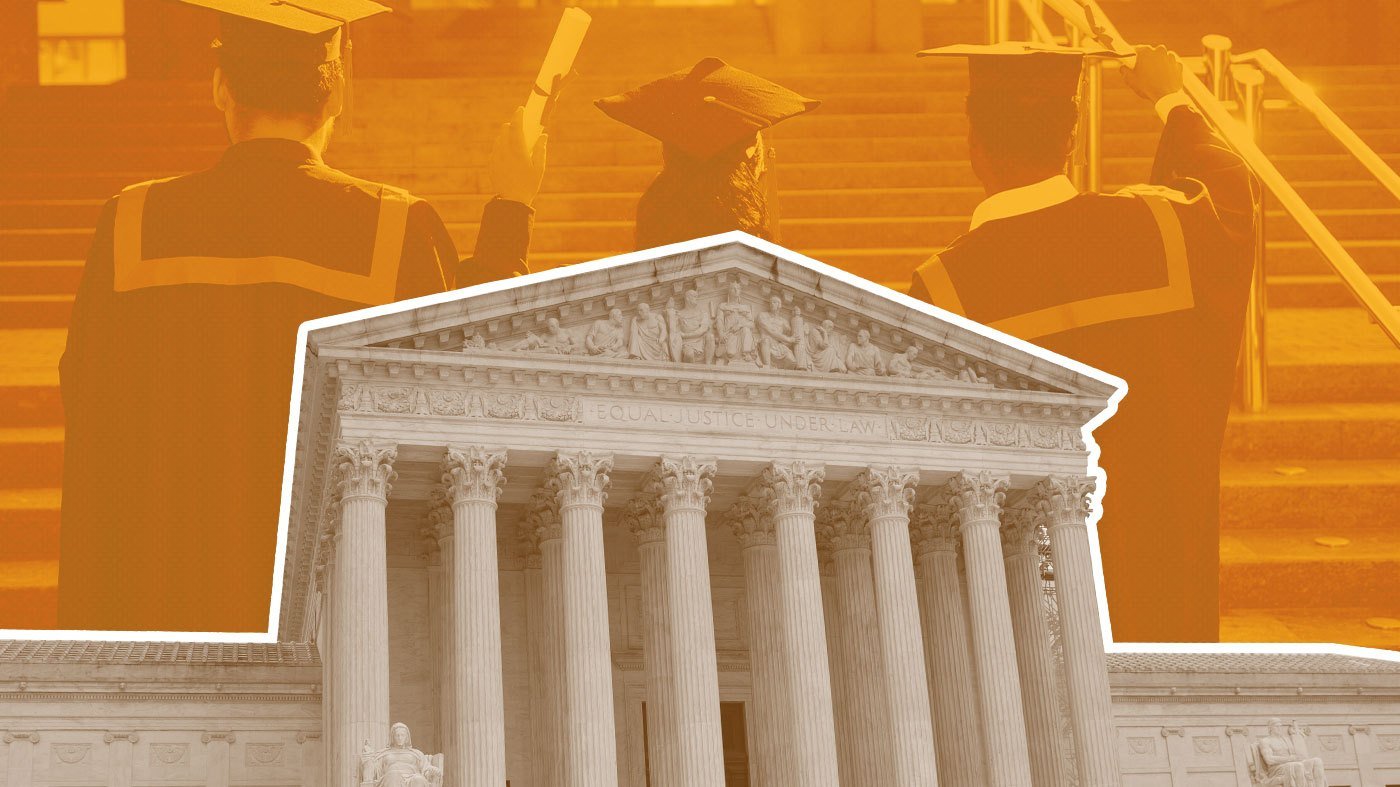
The Trump administration's aggressive use of federal power to pressure universities, combined with state-level laws in Alabama, Florida, and Texas restricting classroom discussions on race and gender, has pushed academic freedom to a historic breaking point. Now, legal experts argue the Supreme Court must step in to settle whether professors enjoy First Amendment protections in their teaching.
In August 2025, U.S. District Judge R. David Proctor refused to block an Alabama law prohibiting public colleges from requiring students to agree with eight "divisive concepts" related to race, religion, sex, or national origin. Proctor reasoned that professors' in-class instruction constitutes government speech, subject to state control. This ruling contrasts sharply with a federal appeals court decision that struck down Florida's similar "anti-woke" law, prompting Florida to appeal to the Supreme Court.
The high court has long hinted at a special constitutional status for academic freedom. In 1957, Chief Justice Earl Warren wrote that imposing a "straitjacket" on intellectual leaders would "imperil the future of our nation," though the ruling rested on due process grounds. A decade later, Justice William Brennan called academic freedom "of transcendent value to all of us," but again the decision avoided a direct First Amendment holding.
Florida's appeal asks the Court to resolve whether professors' classroom speech, unlike other public employees' duty speech, is protected from state regulation. The state argues that lower courts are split on this question, with some treating professors as government speakers subject to legislative control.
Amherst College professor Austin Sarat, writing in a recent analysis, argues the time has come for the Court to ground academic freedom in the First Amendment. But he cautions that academic freedom is not the same as free speech: while free speech protects any opinion, academic freedom shields only speech dedicated to the pursuit of truth.
Sarat quotes his colleague Adam Sitze, who contends that forcing a scholar to say what they know isn't true violates "the basic integrity of the intellect." States like Alabama, Florida, and Texas, Sarat argues, are doing exactly that by mandating which viewpoints faculty may or may not advocate.
The Court's decision to hear Florida's appeal—or not—will have profound implications. If it declines, the 11th Circuit's injunction will stand, but uncertainty will persist. If it takes the case, the justices could finally establish that academic freedom is a constitutional right, protecting both public and private universities that receive federal funds.
As political battles over campus speech intensify, the Supreme Court's next move could redefine the boundaries of academic inquiry. For now, professors and universities watch closely, awaiting a ruling that may determine whether the classroom remains a space for open inquiry or becomes an arm of state policy.