The Republican Party's decisive losses in the midterm elections—including Senate seats in Texas, Kansas, South Carolina, and Mississippi—were not a fluke or a bad candidate problem. They were a clear rejection of the party's governance. Voters, especially those who had backed President Trump, sent a message: they want relief from rising costs, and they want it now.
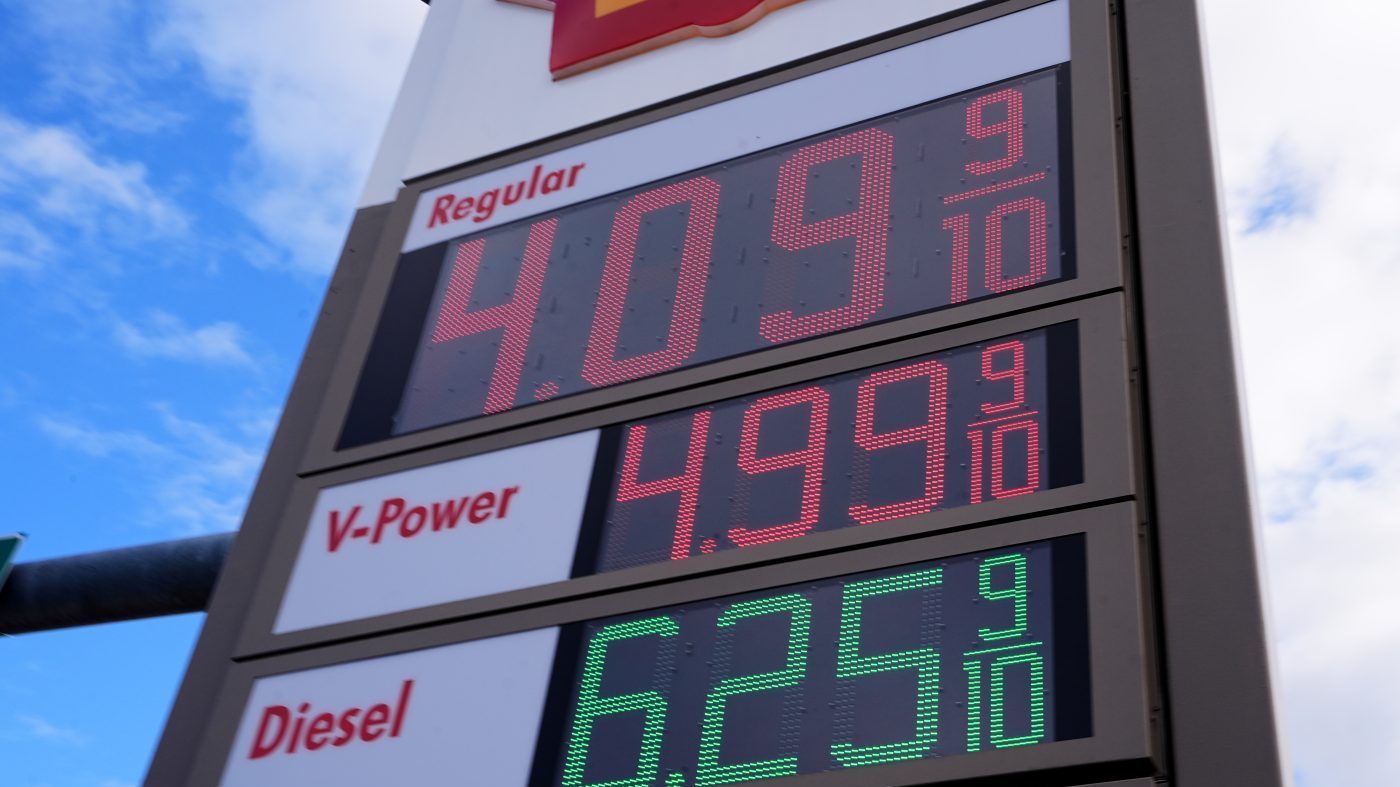
Energy costs were at the heart of the repudiation. The war in Iran sent gasoline prices soaring by more than a dollar per gallon, and electricity bills climbed 4.4 percent over the past year—outpacing overall inflation of 3.7 percent. For families already stretched by grocery bills and other expenses, these increases were a painful squeeze.
As the post-election analysis unfolds, it's clear that the affordability crisis is not just about the war. A survey from Echelon Insights in October found that 55 percent of likely voters ranked inflation and the cost of living as a top priority. Republicans had ample warning that voters expected action on their utility bills.
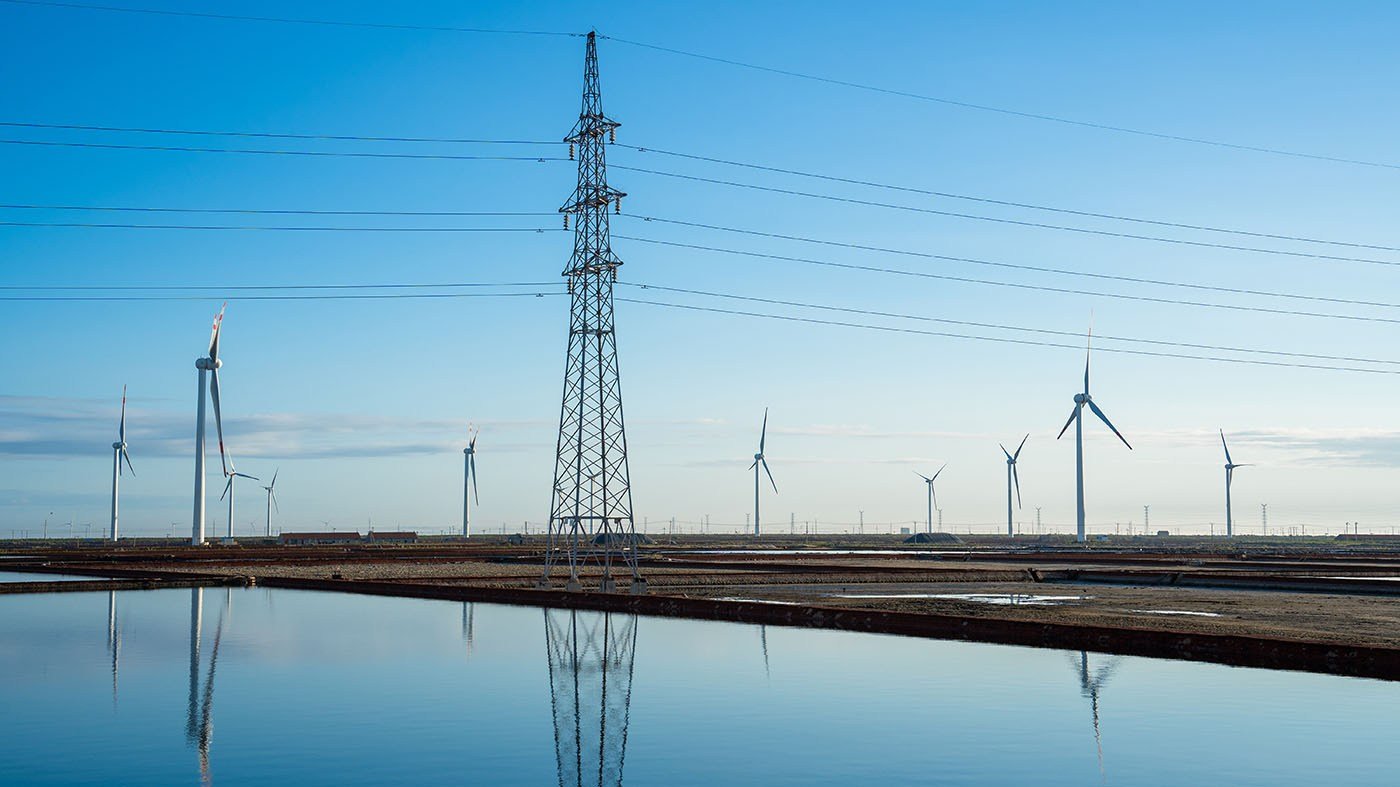
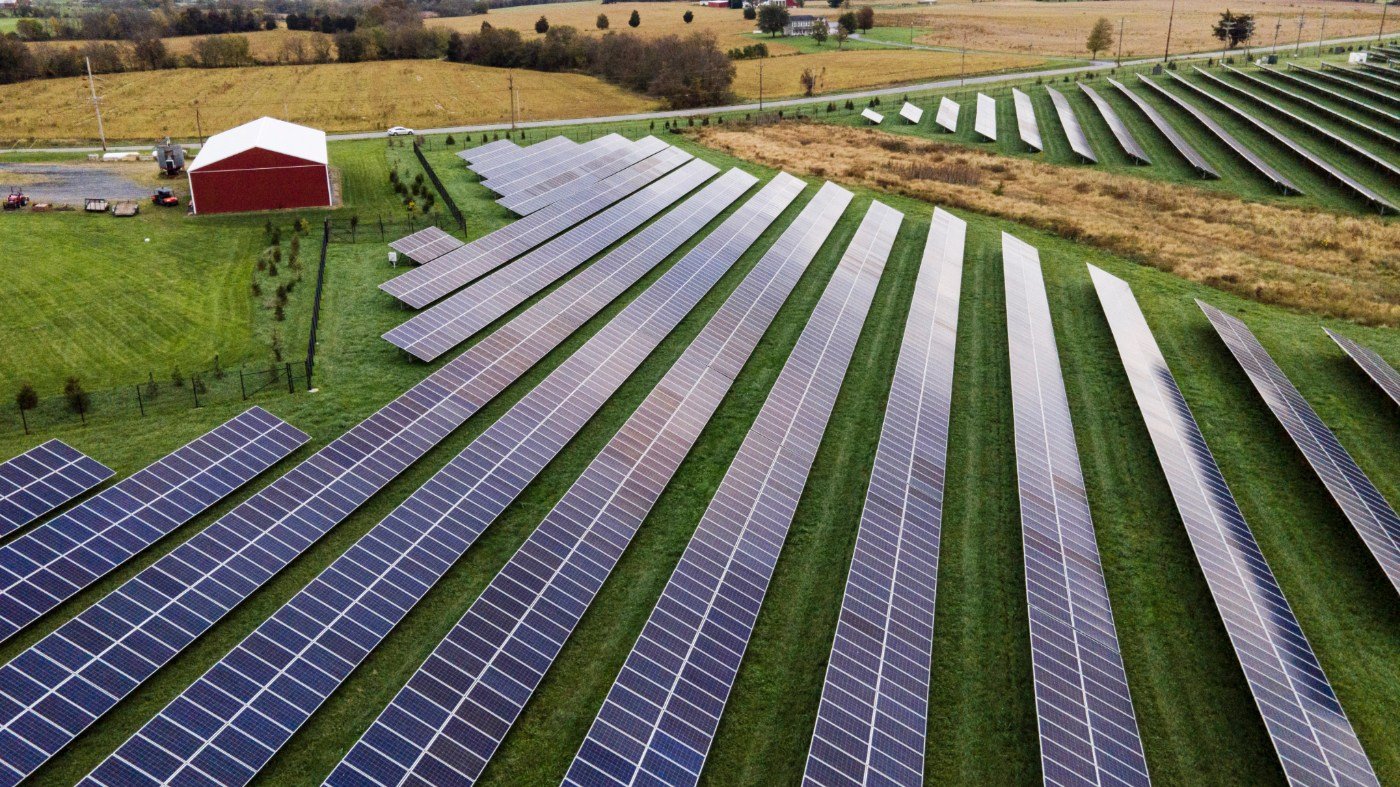
The party's best path forward is a relentless focus on lowering everyday energy costs. That means expanding domestic production and removing barriers to building the infrastructure needed to meet rising demand. Solar and battery storage must be part of that equation. Electricity demand is climbing for the first time in a generation, and solar and storage can be deployed faster than any other source, providing power with no fuel costs once operational.
The evidence is already there. In Texas, rapid growth in solar and storage helped cut summer wholesale electricity prices by 42 percent between 2021 and 2026, even as demand increased. Nationally, solar and battery storage accounted for roughly four-fifths of new utility-scale capacity added in 2025, according to the Energy Information Administration. An energy strategy that excludes them would be ignoring a major part of America's new power supply.
Republicans should not treat solar as a partisan battleground. In Echelon's January survey, 67 percent of likely voters viewed solar energy companies favorably, compared with just 14 percent unfavorably. There is no mandate to wage a political war against solar. Instead, the party should focus on what voters actually want: affordable, reliable power.
President Trump reshaped the Republican coalition by bringing working-class voters into the fold. The midterm results are a warning that their support is not guaranteed. To keep them, Republicans must deliver on the economic concerns that brought them in. Waiting for another shot at unified government in 2028 would be a mistake—eight of the nine Senate seats lost won't be up again until 2032.
There is an immediate opportunity: bipartisan permitting reform legislation has already passed the Senate 62-33. Finishing that work in the lame-duck session would show voters that the election produced more than gridlock. It would make it easier to build the energy infrastructure America needs, including solar and storage.
The election is over, but the affordability crisis is not. Washington needs to stop keeping score of political victories when American families are keeping score of their bills. Republicans and Democrats may disagree on how to lower costs, but neither can afford to confuse blocking the other party with solving the problem. On the rising cost of living, that means making room for affordable American power—including solar and storage—rather than letting political disagreements stand in the way.