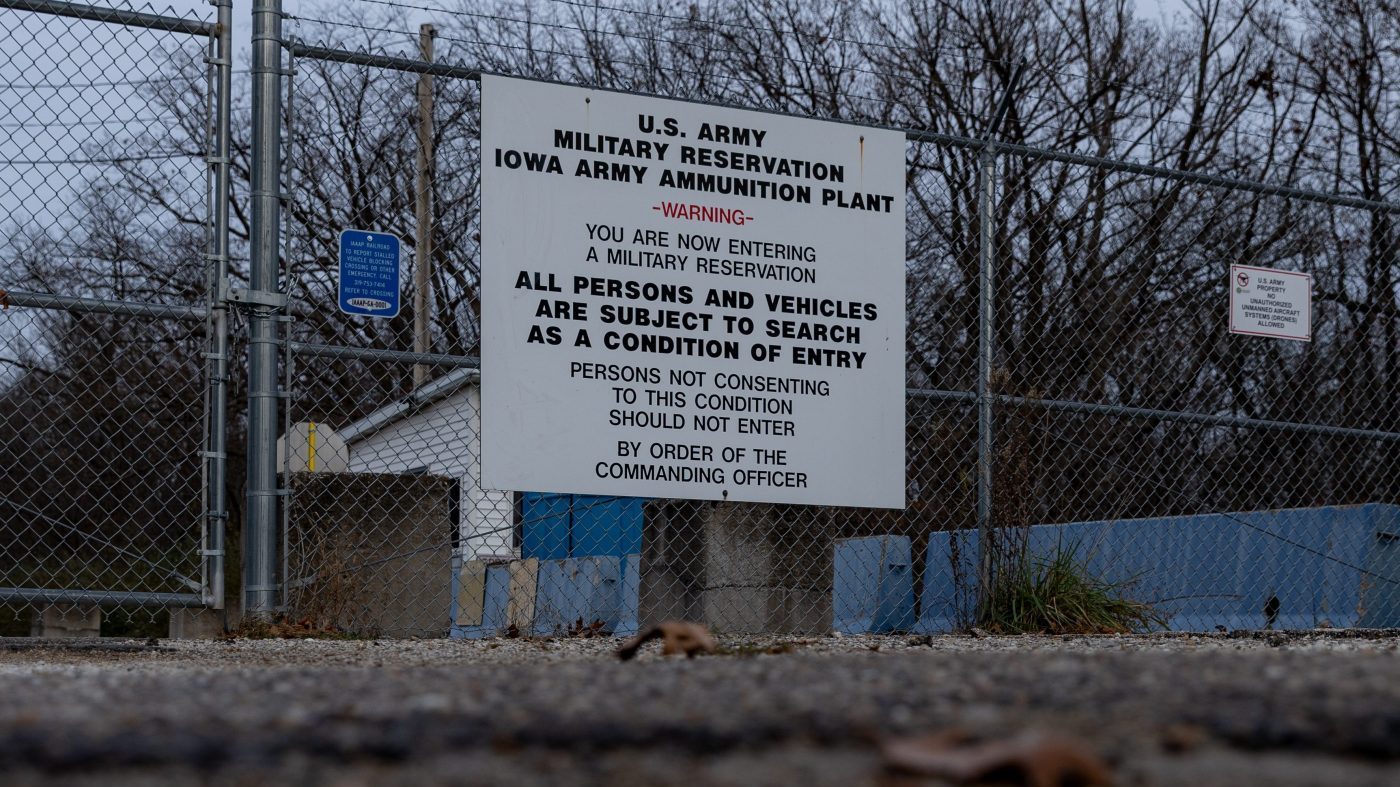
Army officials are scheduled to brief reporters Wednesday afternoon following the controlled detonation of 68 barrels of unstable lead-based explosives at the Iowa Army Ammunition Plant in Middletown, Iowa. The operation, which had been delayed multiple times amid legal challenges and public health worries, went ahead after President Trump personally weighed in on the controversy.
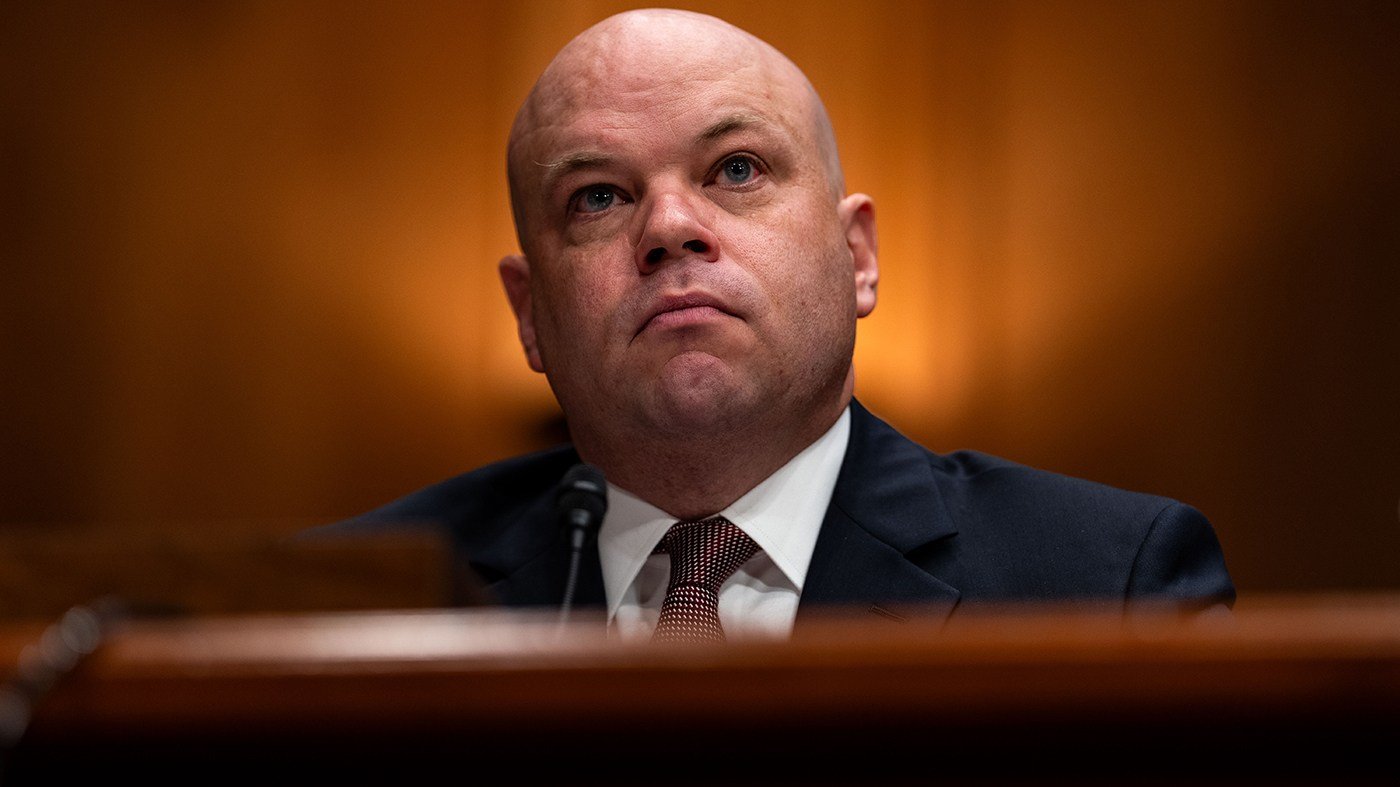
The blast, according to acting Army Secretary Adam Telle, "far exceeded expectations." The Environmental Protection Agency reported that no lead was detected in the air immediately after the explosion, offering some reassurance to residents who had been urged to evacuate the area ahead of the detonation.
Iowa Governor Kim Reynolds, a Republican, announced the briefing and said the state would continue to monitor air quality and other data, maintaining close contact with federal authorities. The press conference is set to begin at noon EST and will be streamed live.
The decision to proceed came after a turbulent week that saw lawmakers protest the short notice and environmental groups file suit against the EPA over the plan. Critics argued that the detonation could release toxic lead dust into the air, posing a threat to nearby communities.
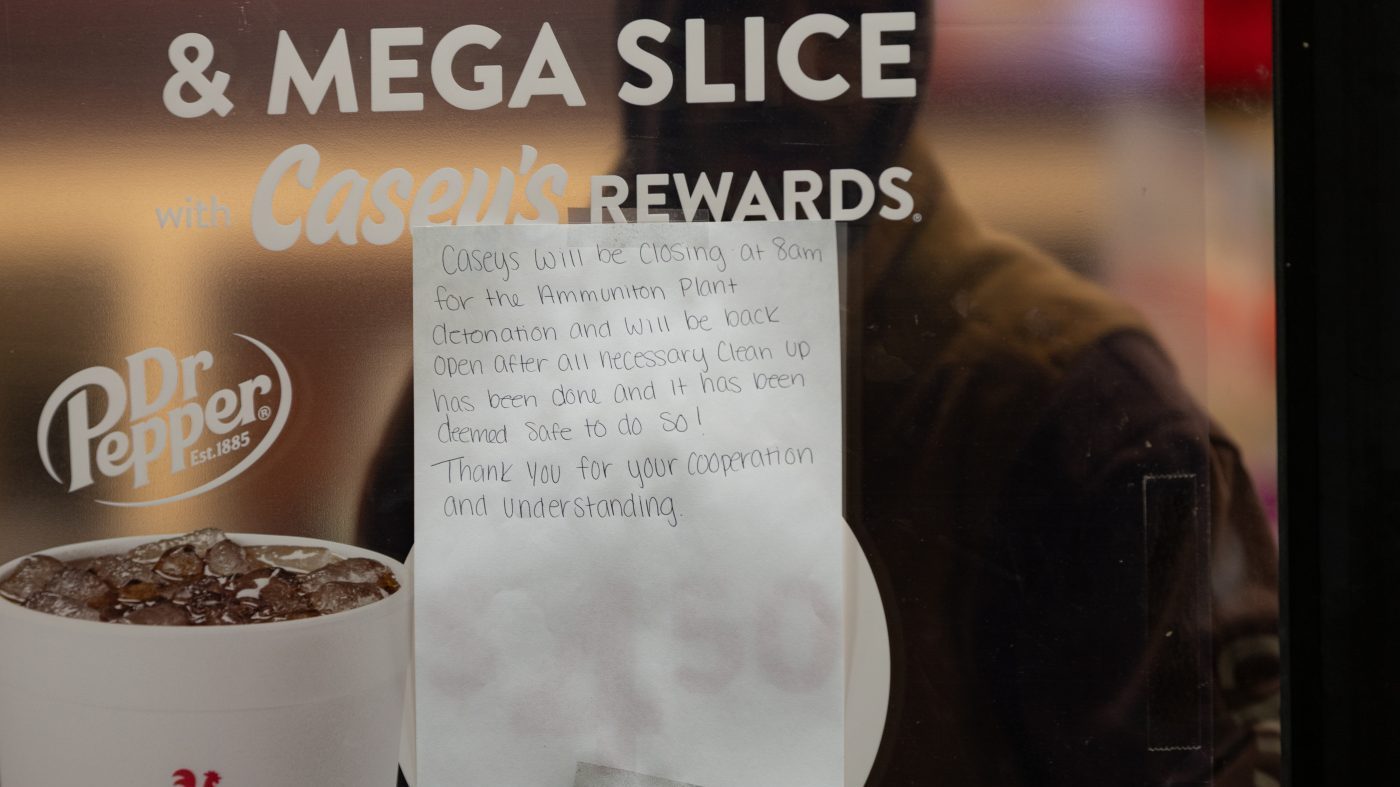
Federal officials had urged residents within a certain radius to evacuate, citing the potential for exposure to hazardous materials. The operation was originally scheduled for earlier in the week but was postponed repeatedly due to weather and legal wrangling.
President Trump's involvement added a political layer to the story. He and acting Army Secretary Telle both expressed confidence in the operation, while some local officials and activists remained skeptical. The blame game over the detonation has become a flashpoint in the broader debate over military readiness and environmental safety.
The Iowa Army Ammunition Plant has been a key site for munitions production for decades, but the presence of unstable lead azide—a primary explosive used in detonators—has raised concerns about long-term storage risks. The Army maintains that controlled detonation was the safest option to eliminate the hazard.
As the briefing unfolds, state and federal agencies will provide more details on the operation's outcome and ongoing environmental monitoring. The joint Army and FEMA briefing is expected to address lingering questions from the public and elected officials.
For now, residents are left to weigh the assurances of federal agencies against the anxieties that have simmered throughout the week. The full impact of the detonation on air and soil quality may not be known for days, as monitoring continues.