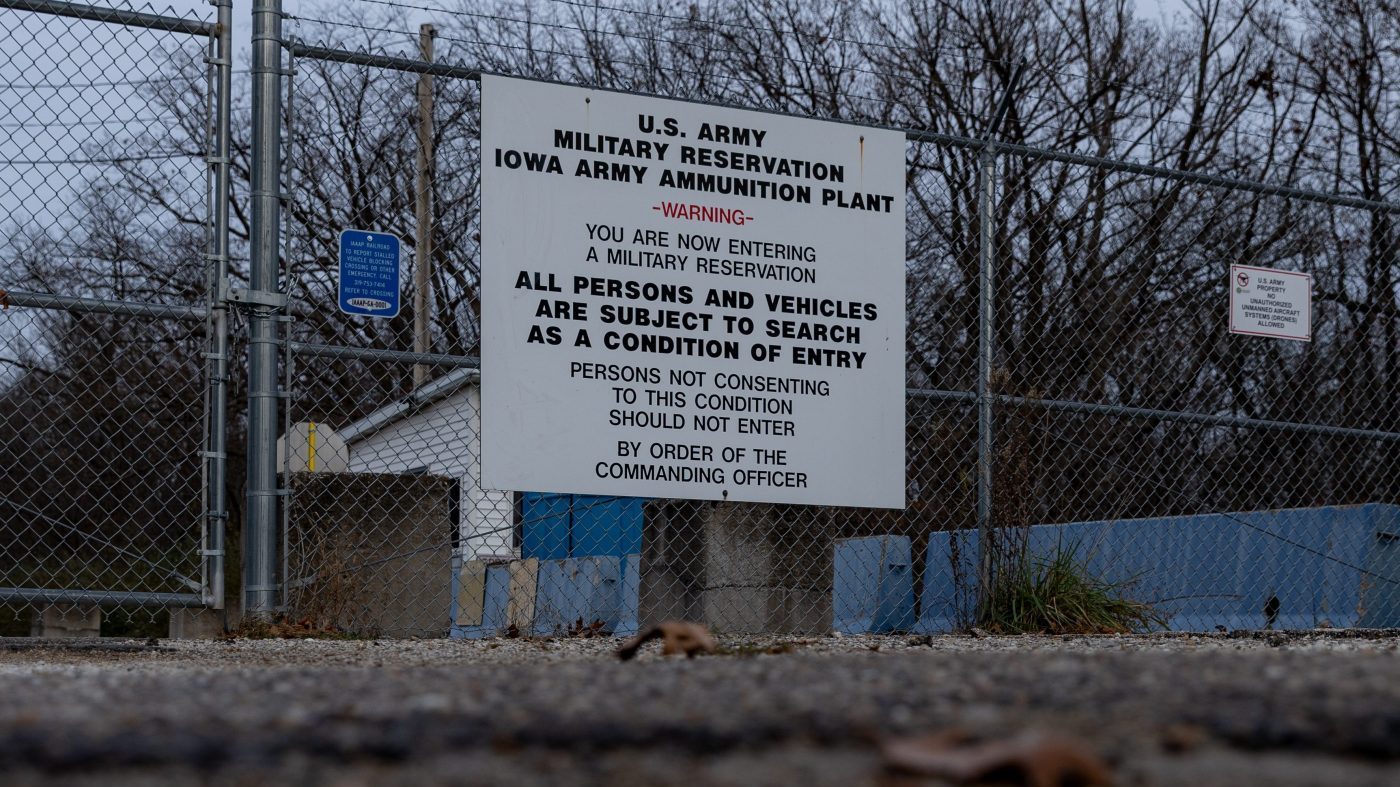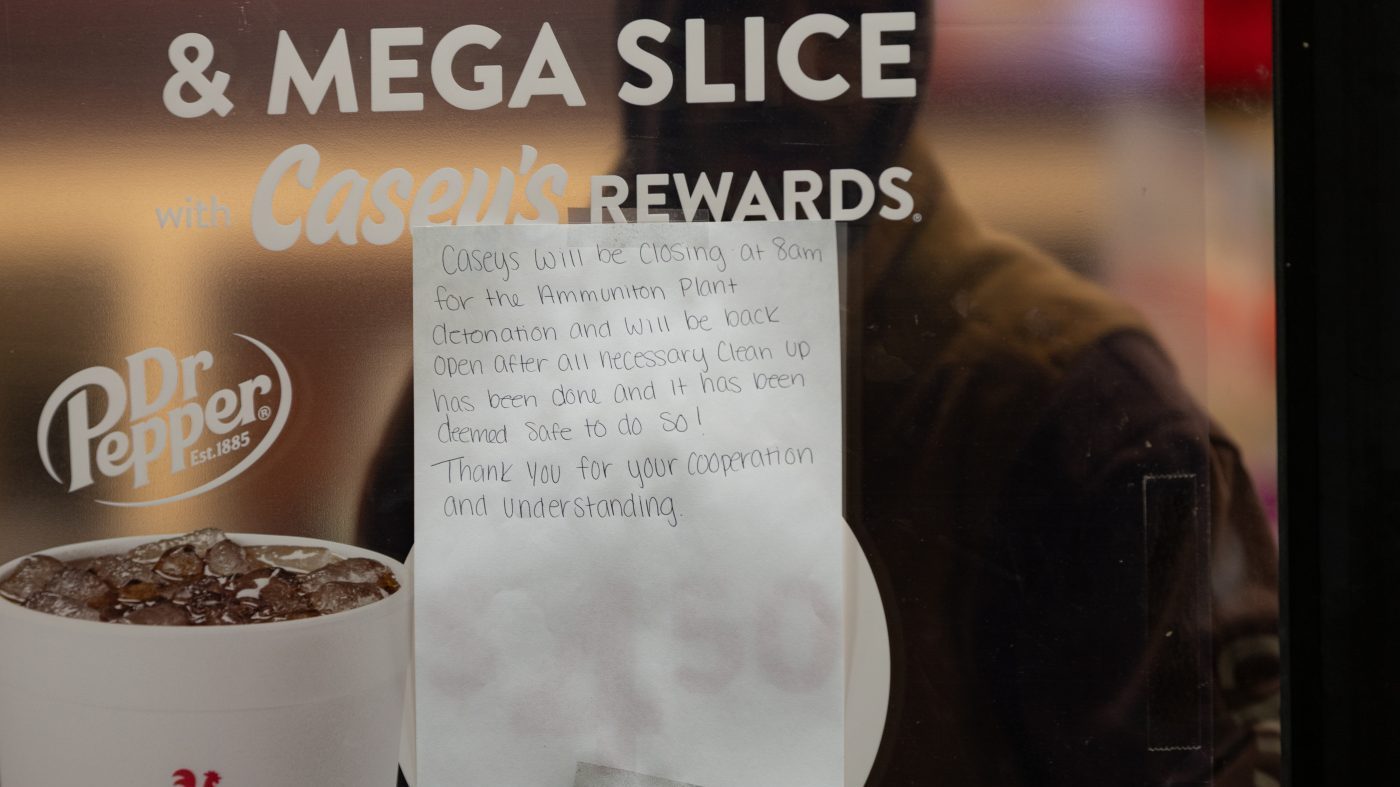
The U.S. Army's controlled detonation of 68 barrels of lead azide in Iowa on Wednesday has triggered expanded federal monitoring of the nation's food supply, as officials work to reassure the public that the blast did not contaminate agricultural products.
The explosion, deemed necessary to prevent an uncontrolled detonation of the highly unstable chemical, led to evacuations and shelter-in-place orders for residents in the potential path of a lead plume. While the Army reported that mitigation efforts successfully minimized airborne lead, concerns persist about long-term effects on food and water.

In response, the U.S. Department of Agriculture announced it would increase testing on meat, poultry, and egg products from the region to ensure lead does not enter the food supply. The Food and Drug Administration, which oversees milk and shelled eggs, had not issued specific guidance as of Wednesday morning.
Officials emphasized that direct contact with lead dust poses the primary health risk, rather than soil contamination. Low levels of lead occur naturally in soil, but elevated levels are linked to human activities. The Environmental Protection Agency planned to test soil lead levels before and after the detonation to assess any impact.
Farmers who have not yet harvested their crops were advised to contact their local Farm Services Agency office for guidance. Authorities also recommended that farmers shelter livestock and supplies, including food and water troughs, or relocate them if possible. Veterinarians are being consulted to monitor livestock for lead exposure.
Experts note that produce grown in contaminated soil does not necessarily absorb lead uniformly. Root vegetables are more likely to take up lead than above-ground crops. A 2022 study found that tomatoes grown in Chicago, where soil lead levels are ten times higher than natural, were still safe to eat, according to the Bulletin of Atomic Scientists.
The timing of the explosion means most crops in the region have already been harvested, reducing the immediate risk to the food supply. However, the long-term implications for soil and water remain under scrutiny.
The Army's decision to proceed with the blast drew criticism from some quarters, with an attorney calling the plan "insane" ahead of the detonation. The Army proceeded with the blast amid health warnings, and the evacuations and legal fight have raised broader questions about military chemical disposal practices.
As federal agencies ramp up oversight, the USDA's expanded testing will be crucial in determining whether any lead contamination reaches consumers. The FDA's role in monitoring milk and eggs remains a key gap in the federal response.
For now, officials are urging vigilance among farmers and food producers in the affected area, while the EPA's soil testing will provide a clearer picture of the blast's environmental footprint.