The Sixth Amendment guarantee of legal counsel forms a cornerstone of American criminal justice, intended to ensure fairness for all defendants. This principle, solidified nearly a century ago in Powell v. Alabama, establishes that effective assistance of counsel is fundamental to due process. As former Justice John Paul Stevens noted in 1984, the right to counsel is the most pervasive right an accused person holds, as it enables the assertion of all other rights.
A Fundamental Conflict of Interest
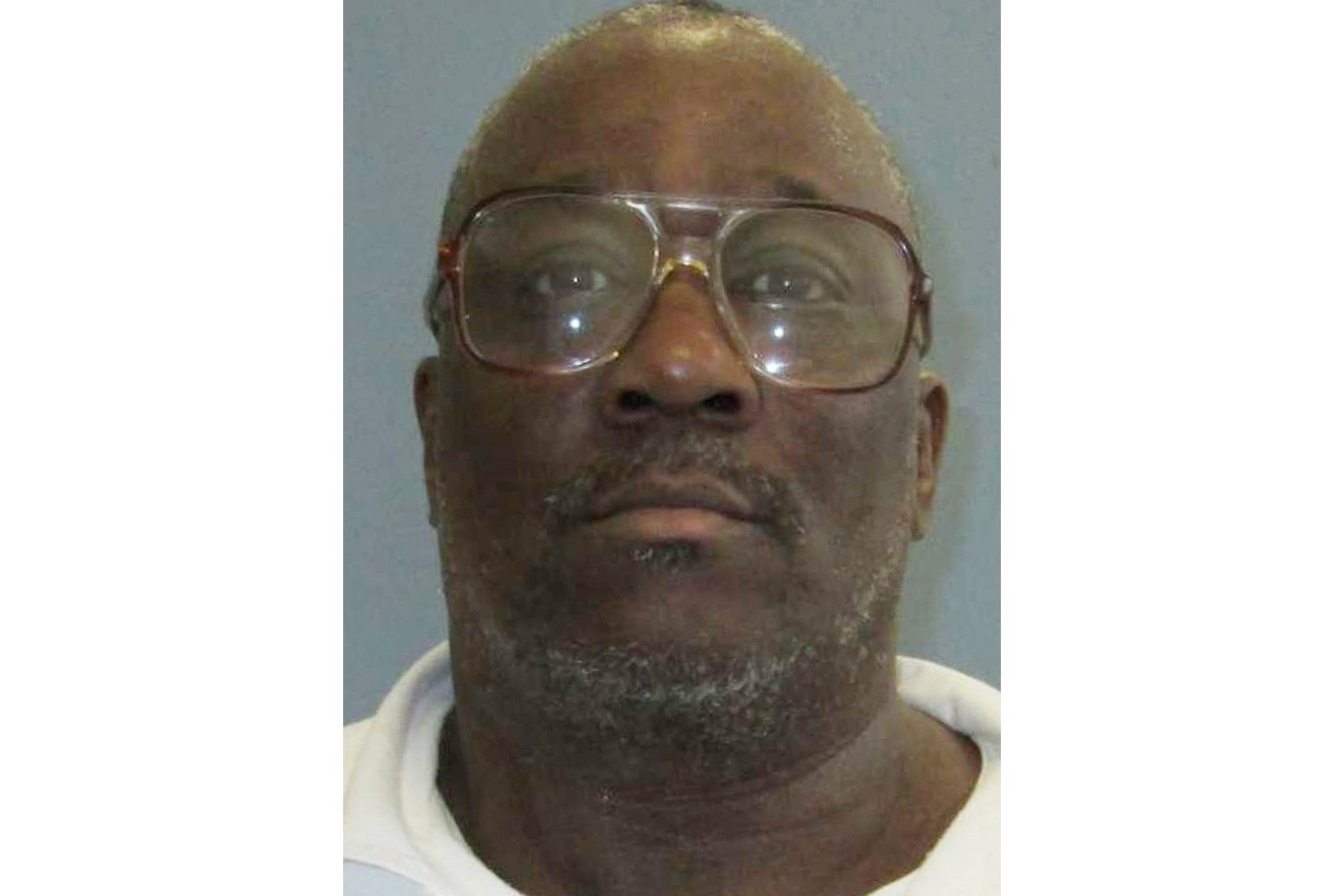
That constitutional guarantee is now under scrutiny in Alabama, where inmate Rocky Myers has filed a petition arguing his representation was constitutionally defective. Myers, a Black man convicted in 1991 for the murder of a white woman, alleges his court-appointed lawyer, John Mays, failed to disclose his deep affiliations with the Ku Klux Klan. Legal ethics experts argue this created an unwaivable conflict of interest, fundamentally compromising the attorney-client relationship and the fairness of the trial.

The legal profession generally expects lawyers to set aside personal beliefs when representing clients. However, as guidelines from the New York City Bar Association note, there exist rare cases where a lawyer's "deeply held views may pose a 'significant risk' of materially limiting" competent representation. In such instances, the attorney must secure the client's informed consent. Myers contends he received no such disclosure, let alone consent.
Parallels and Precedents
The situation presents a stark contrast to a notable 1993 case where Anthony Griffin, a Black ACLU lawyer, chose to represent Michael Lowe, a Klan grand dragon. Griffin defended his decision on First Amendment grounds, stating, "The Klan says some vile and vicious and nasty and ugly things. But the Klan has a right to say them." The critical distinction, Myers's petition stresses, is that Lowe knowingly consented to the representation. Myers did not.
Myers's trial was marked by significant flaws. Despite a jury recommendation for life without parole, the trial judge overrode that decision and imposed a death sentence. The Equal Justice Initiative has documented a deeply flawed proceeding, noting Mays failed to adequately investigate the state's case, interview key witnesses, or secure his own witnesses for trial. Shockingly, Mays reportedly referred to his own client as a "crackhead" and a "criminal" in front of the jury. Last year, mounting doubts led Alabama Governor Kay Ivey to commute Myers's sentence to life without parole.
The Legal Hurdle of Proving Prejudice
Myers now faces a formidable legal challenge. As noted in the California Law Review, courts rarely grant habeas claims based on a lawyer's alleged racism unless that animus is "obvious on the cold trial record." Proving that bias directly affected counsel's performance or the trial's outcome is a high bar. However, Supreme Court precedent, cited by Justice Stevens, suggests a constitutional violation can exist if the "circumstances" surrounding representation were so compromised that "the likelihood that counsel could have performed as an effective adversary was so remote as to have made the trial inherently unfair."
Myers's petition argues his case meets this standard, asserting Mays's racism "ran so deep that there is no plausible way it did not impact his representation of Mr. Myers, a poor Black man." The core principle at stake is straightforward: no Black defendant in a capital murder case should be represented by a lawyer with active ties to the Ku Klux Klan without their explicit, informed consent. The question for the courts is whether this undisclosed allegiance inherently poisoned the well of justice.
This case emerges amid broader national tensions over legal representation and systemic bias. It echoes concerns about resource strains within the justice system, similar to those highlighted during the TSA staffing crisis that forced ICE deployments. Furthermore, the scrutiny of official conduct and allegiances mirrors the intense examination of foreign policy figures, such as the rising profile of Iranian Parliament Speaker Ghalibaf amid international denials of negotiations.
The judiciary's response to Myers's petition will signal how robustly the constitutional right to counsel is enforced when confronted with overt racial animus. A ruling in his favor would reinforce that the right to an attorney means the right to one whose fundamental beliefs do not actively undermine his client's humanity. A denial would underscore the immense difficulty of proving bias in a system where it is often subtle, entrenched, and protected by procedural hurdles.