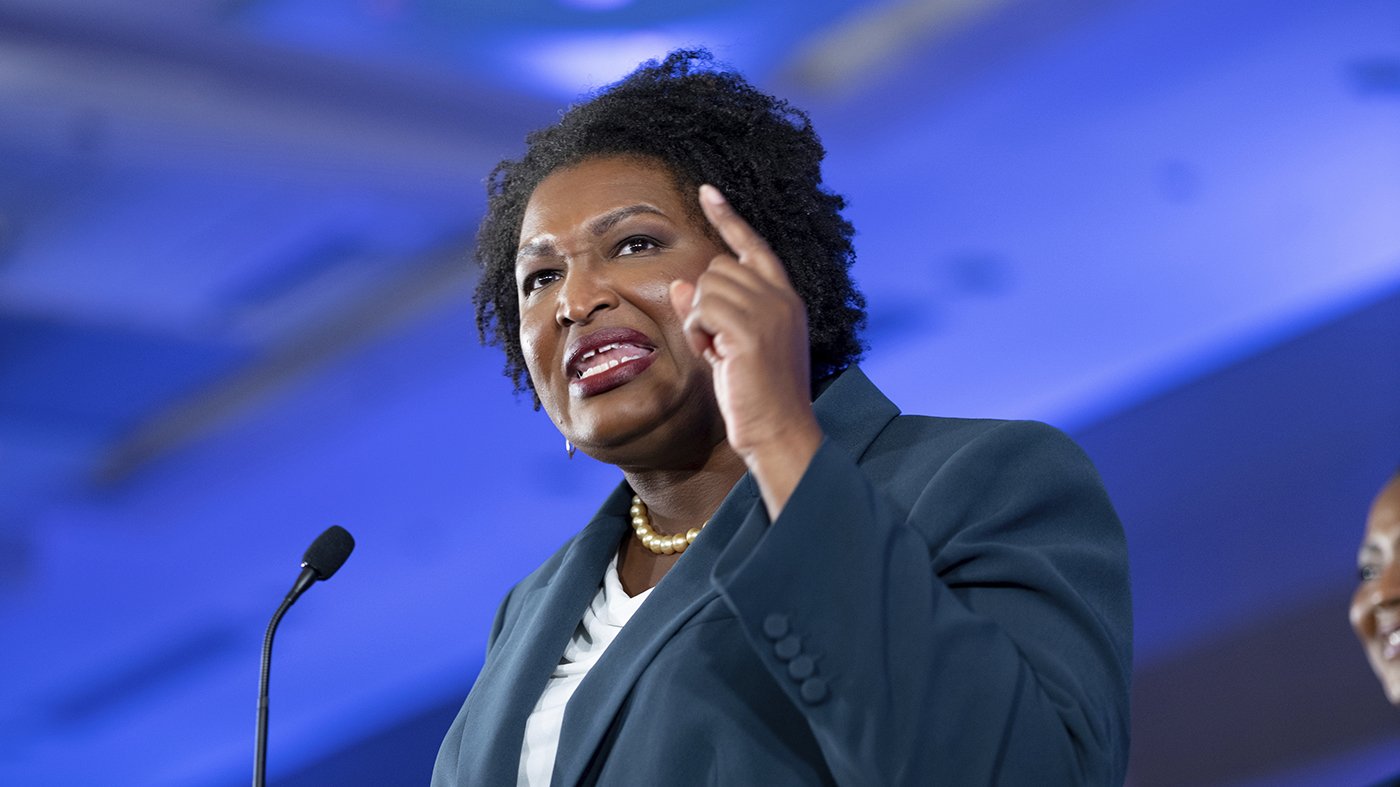
Former Georgia gubernatorial candidate Stacey Abrams has issued a sharp condemnation of President Trump's recent executive action on mail-in voting, labeling it both illegal and a continuation of Republican voter suppression tactics. In an interview on MSNBC, Abrams argued the order represents a direct assault on state authority over elections.
Constitutional Challenge and Legal Backlash
Abrams asserted that the Constitution grants states, not the federal executive, the power to determine election procedures. "What the Republican regime is upset about is that democracy has been working," she stated, defending mail-in voting as a necessary accommodation for seniors, rural residents, students, and working families who cannot easily vote in person on a Tuesday.
The executive order, signed Tuesday, directs the U.S. Postal Service to send ballots only to voters on a list compiled by Homeland Security officials. It mandates unique tracking barcodes on ballot envelopes and instructs the Attorney General to withhold federal funds from states deemed non-compliant. This move follows Trump's persistent but unfounded claims that mail-in voting and undocumented immigrant ballots cost him the 2020 election, despite his own use of a mail ballot in a recent Florida contest.
Democratic Legal and Political Response
More than twenty Democratic-led states filed a lawsuit against the administration on Friday, seeking a judicial declaration that the order is unlawful. Congressional Democratic leaders, including Senate Minority Leader Chuck Schumer and House Minority Leader Hakeem Jeffries, joined by the Democratic National Committee, filed a separate suit on Wednesday. This legal strategy mirrors challenges to other Trump administration actions, such as the contested birthright citizenship order.
Abrams, who lost closely watched gubernatorial races to Georgia Republican Brian Kemp in 2018 and 2022, has become a leading national voice on voting rights. She characterized the order's tracking mechanism as the creation of a "database" for national surveillance. "That should terrify all Americans," she warned, suggesting it enables the administration to "decide which citizens they like" and who ultimately gets to vote.
Broader Context of Election Administration
The order intervenes in a patchwork state-level system. Eight states and Washington D.C. automatically mail ballots to all registered voters. Twenty-eight states permit no-excuse absentee voting by request, while the remainder require a specific reason to vote by mail. The administration's directive centralizes aspects of this process under federal authority, a shift Abrams and other critics see as a dangerous precedent.
This controversy unfolds as the Trump administration pursues consolidation in other regulatory areas, like the reversal of the post-Deepwater Horizon agency split for offshore oversight. The voting order also arrives amid heightened geopolitical tensions, including Trump's deadline for Iran, highlighting an administration willing to assert executive power on multiple fronts.
The legal battles over the order are expected to be protracted, centering on the balance of power between federal and state governments in administering elections. With the next national election cycle approaching, the outcome will significantly impact how millions of Americans cast their ballots.