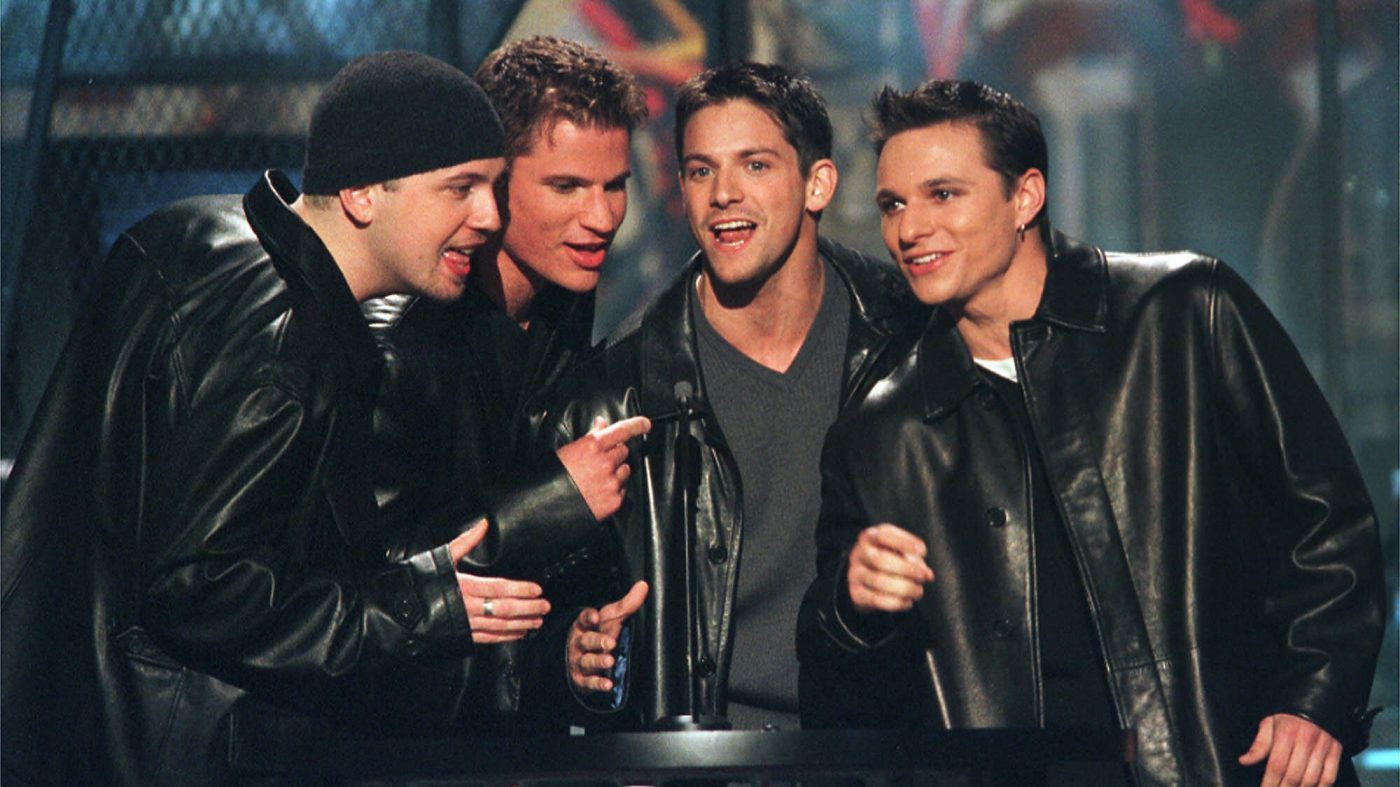
Former boy band member Nick Lachey has disclosed that his group, 98 Degrees, operated with a specific legal safeguard during their 1990s tours: a reference guide detailing the age of consent in every U.S. state. The revelation came during his participation in the investigative documentary "Boy Band Confidential," shedding light on the behind-the-scenes management of pop music acts.
"I remember our first tour, someone at the label gave us a book, and it was the age of consent in every state," Lachey stated. He acknowledged the precaution might "sound super shady" but clarified its purpose was protective. The manual was kept on the band's tour bus for easy consultation.
At the time, all four members—Lachey, his brother Drew, Jeff Timmons, and Justin Jeffre—were in their early twenties, ranging from 21 to 24 years old. According to Lachey, the label's initiative was a direct effort to shield the young musicians from potential legal entanglements that could derail their careers, a common concern in the entertainment industry where the lines between fandom and personal interaction can blur.
Financial Hardships Amid Early Fame
Beyond the unusual legal guidance, Lachey detailed the significant financial pressures the group faced after signing with Motown Records. He described receiving only a "very nominal advance" on their contract, with the full knowledge that all subsequent expenses would be recoupable by the label from their future earnings.
This financial reality forced the band to adopt an austerity mindset starkly different from the lavish lifestyles often associated with pop stardom. "We took the opposite approach [from other bands]," Lachey explained. To cut costs, they would opt for fast food instead of expensive meals and forgo car services in favor of public transportation, even in the early hours of the morning.
He recounted one specific instance that highlighted their frugality: "At the end of the session at 4 a.m., we're not going to get a car service back to Brooklyn. We'll take the A train back to Brooklyn, in the middle of winter. The four of us, at 4 in the morning, standing in the subway station." This grind stands in contrast to the polished image presented to the public and underscores the complex business realities for many young artists.
Context and Industry Norms
The disclosure about the age-of-consent guide points to a long-standing, if rarely discussed, protocol within music management to mitigate legal risk. It reflects a period before the heightened scrutiny and evolving social norms that have since reshaped conversations about power dynamics in entertainment. Such protective measures, while practical from a legal standpoint, now invite analysis of the environment that necessitated them.
Lachey's account of financial strain also illuminates the challenging economics for many performers, where large advances are not guaranteed and significant debt to labels can accumulate quickly. This business model has faced increasing criticism and is part of broader discussions about artist rights and compensation in the music industry, a topic that intersects with ongoing debates over financial regulation and market fairness in other sectors.
The story emerges amid a cultural moment of re-examining 1990s and early 2000s pop culture. It also indirectly touches on themes of governance and rule-following, reminiscent of how institutions establish protocols to navigate complex legal landscapes, not unlike the recent reminders issued by international bodies regarding established conventions during geopolitical tensions. The band's experience serves as a microcosm of the contractual, legal, and personal navigation required in high-profile industries.