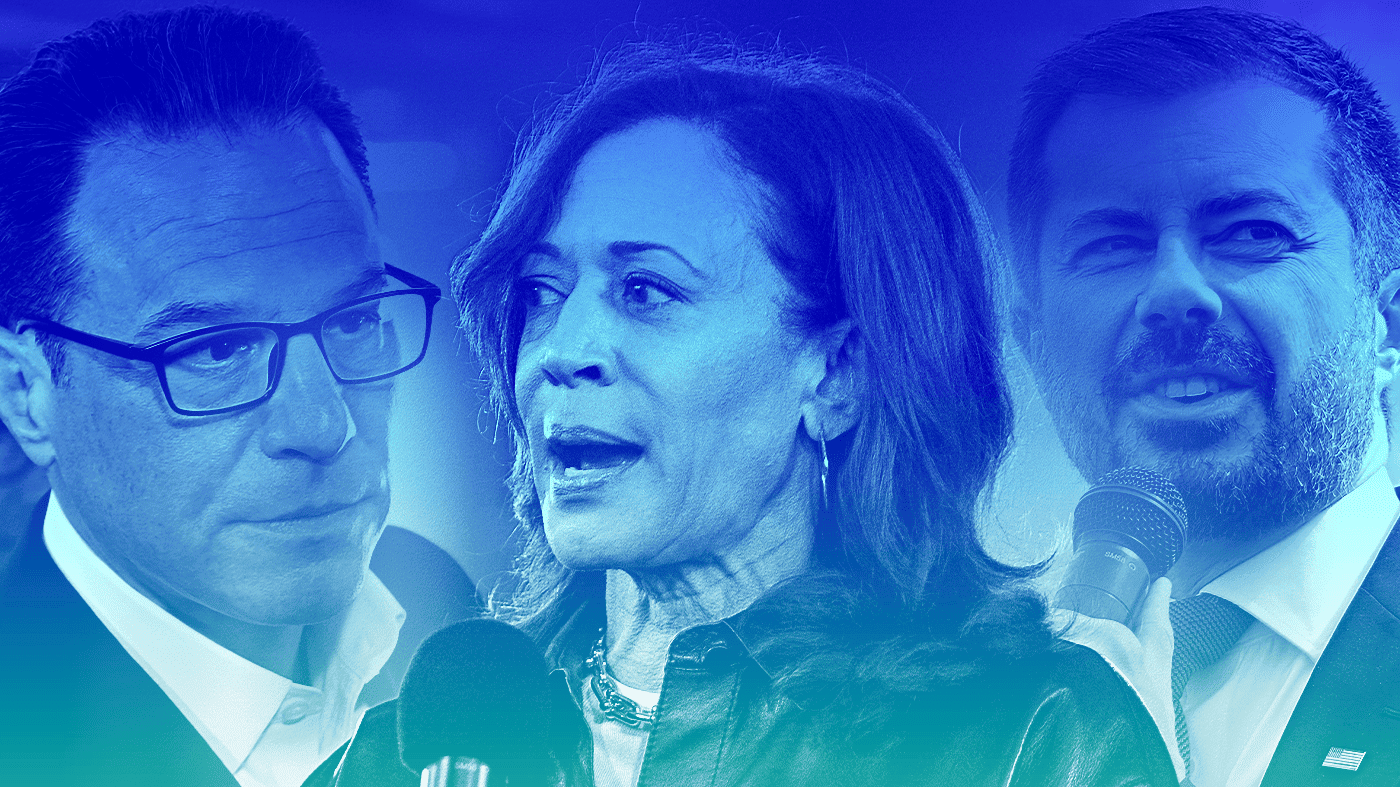
Potential contenders for the 2028 Democratic presidential nomination are converging this week at the National Action Network convention, seeking an early and critical audition before one of the party's most influential constituencies: Black voters. The event, hosted by Rev. Al Sharpton, serves as a key proving ground for figures like former Vice President Kamala Harris, former Transportation Secretary Pete Buttigieg, and Pennsylvania Governor Josh Shapiro to establish credibility and reset their political narratives.
The Pace Car and the Field
Kamala Harris arrives as the most prominent figure in the emerging field, inheriting the mantle of the 2024 Democratic nominee. "She is the pace car," said Democratic strategist Joel Payne. "She is where the story starts." Her appearance offers a chance to reassert her standing after a book tour and test the strength of her support, particularly as some Democrats privately debate the party's future direction. Democratic strategist Basil Smikle noted that while Harris is likely favored by the audience, "some voters, particularly younger ones, wonder if she should run again despite how well she campaigned last summer."
The convention unfolds against a backdrop of internal party debate about what kind of candidate can win in 2028. Some strategists argue for appealing to a wider swath of moderates, while others maintain that energizing the base—especially Black voters—remains the most reliable path. This tension is reflected in discussions about the party's recent electoral performance, with some openly questioning after 2024 whether a more traditional candidate might be better positioned.
Challenges for Contenders
For other candidates, the event represents a vital opportunity to address weaknesses or build new coalitions. Pete Buttigieg, who struggled to connect with Black voters during his 2020 bid, faces a particular challenge. One Emerson College poll last year showed zero percent of Black respondents supporting him. "This is still a weak spot for him, so an event like Sharpton's matters," a Democratic strategist said. Buttigieg has sought to make inroads since 2020, including seeking guidance from Sharpton himself, but strategists agree he needs to demonstrate significant progress.
The gathering also provides a platform for moderate governors like Illinois's JB Pritzker and Kentucky's Andy Beshear to demonstrate national fluency on key issues. They will participate in fireside chats, aiming to build early relationships with a constituency crucial to winning a primary. "For other candidates this is an opportunity to articulate how as president they’d restore much of what Trump and Republicans dismantled," Smikle said, while cautioning that "being anti-Trump won't be enough."
Broader Political Context
The candidates' messages will be tested on domestic issues like the economy and on international crises, such as the ongoing tensions with Iran. This comes as figures within the party, like Senator JD Vance, have warned against military escalation that could spark regional chaos. Democratic leaders, including Harris, have been quick to condemn aggressive rhetoric toward Iran as a potential war crime.
Sharpton has indicated he believes a Harris run would be a good idea, telling Politico, "I wouldn't ignore the fact that she's absolutely a potent force in the Black community." However, he added he did "not have any idea whether she's going to try to go again." His convention offers the first collective glimpse of a field that will be shaped by this core Democratic bloc. As Joel Payne stated, the event will "start to give you a sense of what this field is going to look like."
The outcome of this early courtship could have significant downstream effects on the party's cohesion and strategy, influencing not just the presidential race but broader electoral efforts. Recent shifts in the political landscape, such as the Cook Political Report adjusting House ratings to show Democratic momentum, underscore how activating the base is intertwined with down-ballot success. Furthermore, the party continues to navigate internal divisions, as seen when Democratic infighting erupted over association with a far-left commentator.