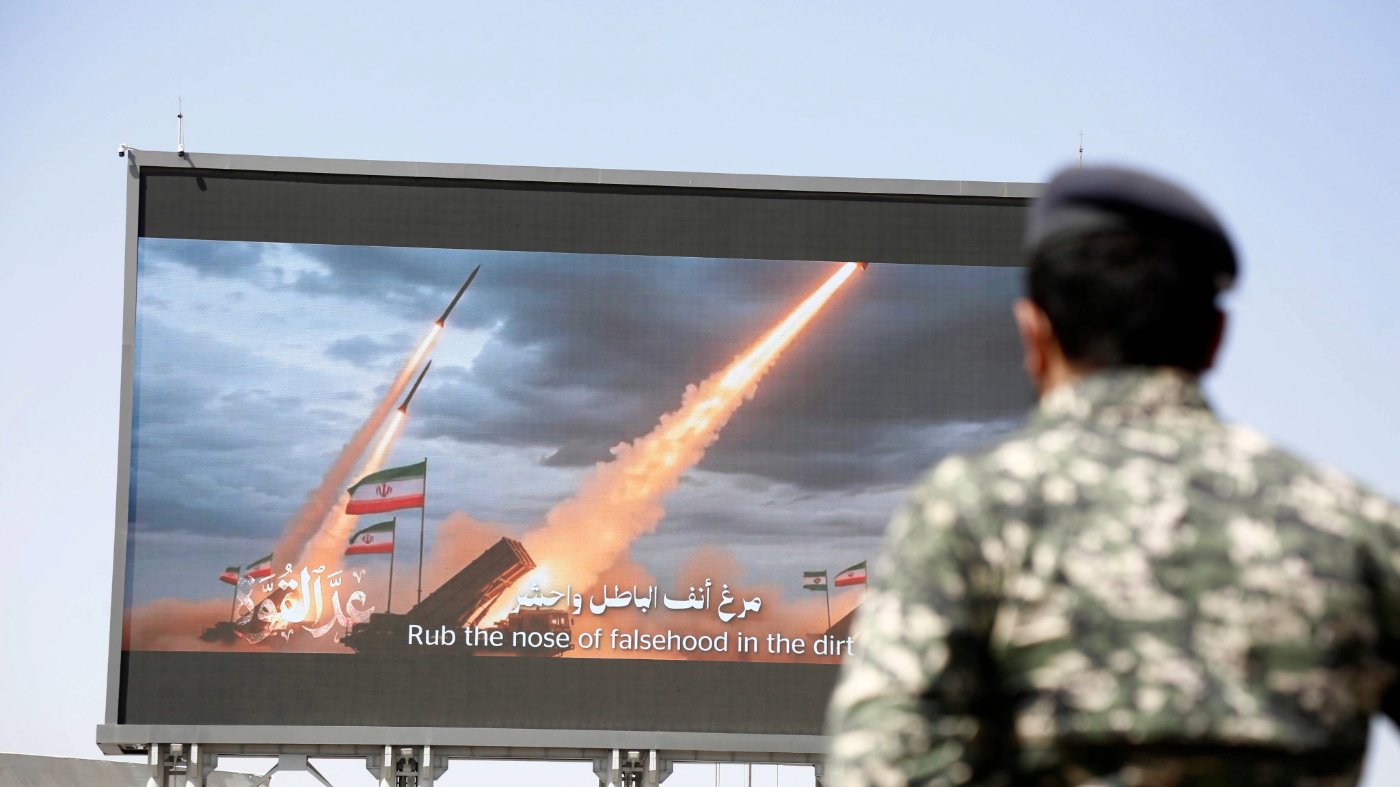
The Trump administration's foreign policy often operates on a deceptively simple premise: that maximum economic pressure, military posturing, and diplomatic isolation can force adversarial regimes to capitulate. This approach appears to be gaining traction in Venezuela, where the Chavista government's grip is weakening. Observers now detect Washington applying this same framework to Iran, with President Trump suggesting the Iranian leadership has already become more moderate under pressure.
A Fundamentally Different Adversary
However, equating Iran with Venezuela constitutes a profound strategic error. While both nations face U.S. sanctions and political pressure, their political structures, ideological foundations, and relationships with Washington are fundamentally dissimilar. Iran represents a far more complex and resilient challenge.
In Venezuela, the opposition unified behind a single credible leader, María Corina Machado, whose party secured an overwhelming electoral mandate. A clear alternative government exists, waiting to assume power once conditions permit free elections. The U.S. maintains deep historical, economic, and demographic ties to Latin America, providing significant leverage. The substantial Venezuelan diaspora in the United States also creates a domestic political imperative for action.
Iran presents none of these advantages. The opposition is a fractured landscape of exiled monarchists, socialist groups, and armed militias with little cohesion or popular legitimacy. These factions often distrust each other more than they oppose the clerical regime. There is no unified alternative waiting to govern, meaning any collapse could create a dangerous power vacuum. Recent protests, like the deadly January uprisings, remain localized and easily contained by state security forces.
No Leverage, No Plan
The United States enjoys no constructive relationship with Tehran to leverage. Since the 1979 revolution, the Islamic Republic has defined itself in opposition to American influence. While Venezuela's economy collapsed and its people sought reconnection with the West, Iran has built a fortress economy sustained by partnerships with China and Russia, insulating it from the worst effects of sanctions. For Tehran, Trump's maximum pressure campaign is viewed not as mere policy but as an existential, ideological war—a dynamic that only hardens the regime's resolve.
Furthermore, the administration appears to have no credible plan for what follows regime change in Iran. In Venezuela, despite challenges like hundreds of remaining political prisoners and entrenched Chavista power brokers, there is a visible roadmap. As former U.S. Ambassador James Story noted, elections are on the horizon, building hope for national rebuilding. The plan revives a pre-Chavista democratic order familiar to the educated opposition.
For Iran, no such blueprint exists. The goal seems to be collapse without consideration for the aftermath—a strategy that could transform Iran into a larger, more volatile version of post-invasion Iraq. This lack of strategic foresight represents a dangerous abdication of responsibility. The potential for catastrophe dwarfs the complexities currently faced in Venezuela.
Ultimately, Venezuela was a failing state suffering economic collapse and international isolation. Iran is a revolutionary state whose doctrinal core is built around enduring conflict with ideological adversaries. Some regimes do not collapse; they adapt, resist, and fight to the end. Applying the same playbook to both ignores these fundamental differences and risks a historic miscalculation, as analysis of past failed confrontations with Iran has shown. Meanwhile, the administration's focus on maximum pressure abroad coincides with internal shifts, such as the Pentagon's overhaul of its media engagement strategy to prioritize direct populist communication.