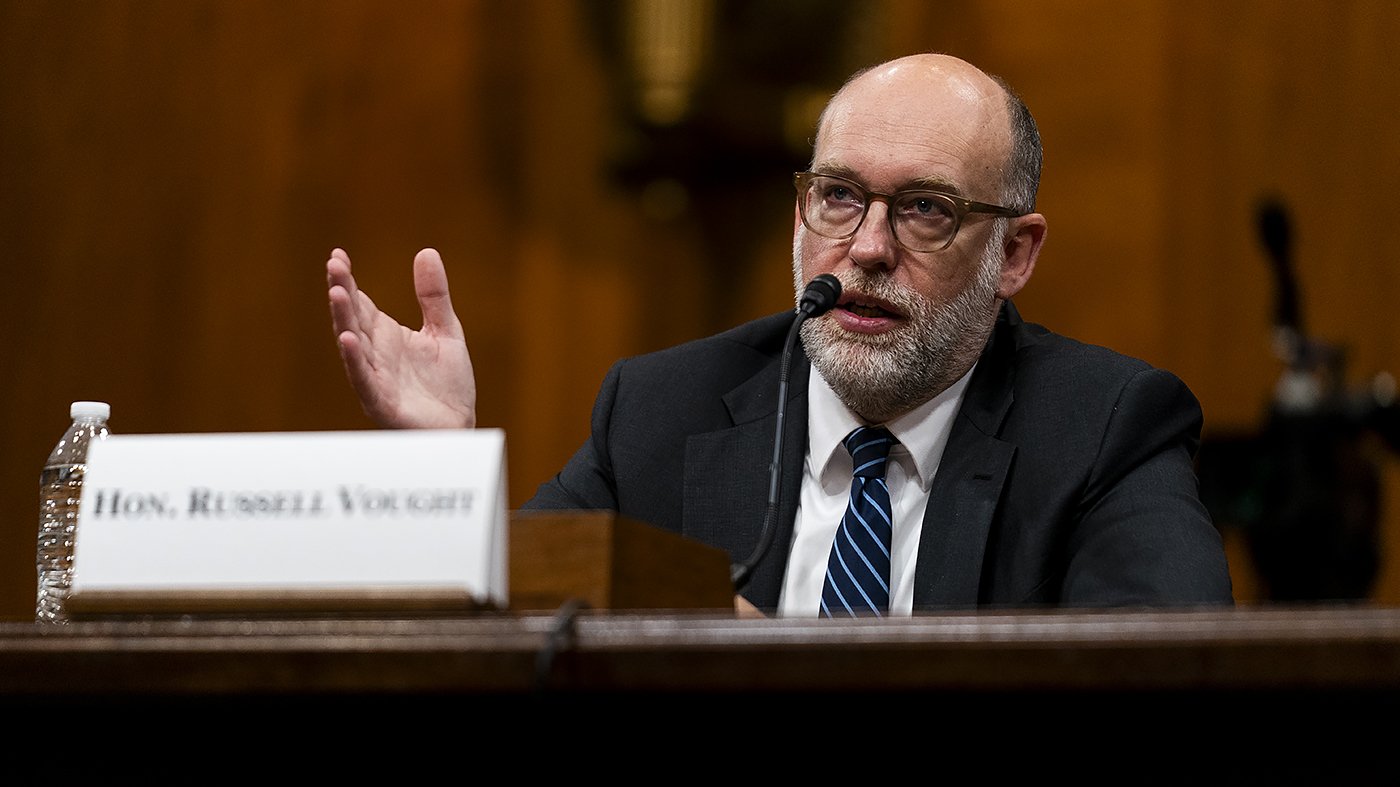
White House Office of Management and Budget Director Russell Vought declined to provide senators with any estimate of the costs associated with ongoing military operations against Iran during a tense budget hearing Thursday. When pressed by lawmakers for financial details, Vought stated that war expenses "fluctuate" daily and that the administration is still developing a formal request for additional defense funding.
Lawmakers Demand Financial Transparency
Senator Jeff Merkley (D-Ore.) directly challenged Vought during the hearing, asking whether the administration had already spent approximately $50 billion on the conflict as reported by some media outlets. "I wouldn't [want] to make a characterization of that at this point," Vought responded, prompting Merkley to express disappointment that the administration's top budget official lacked specific figures.
Vought also refused to confirm circulating reports that the White House plans to request between $80 billion and $100 billion in supplemental funding specifically for Iran-related military operations. "If you were to be on the inside of the Department of War, these costs would fluctuate given the day. So I think it's hard to give you an average cost," Vought told the committee. Congressional sources believe the conflict is costing roughly $10 billion weekly, though neither the Pentagon nor White House has verified this estimate.
Accusations of Financial Obfuscation
Following the exchange, Merkley accused the budget director of deliberately obscuring war costs amid record federal debt exceeding $38 trillion. "He doesn't want a number to be out there because it's a big number and it's very disturbing to Americans that we're spending 1 to 2 billion dollars a day" on the conflict, Merkley told reporters after the hearing. This confrontation echoes previous contentious exchanges between Vought and Democratic lawmakers over administration spending priorities.
The administration's $1.5 trillion defense budget proposal for fiscal year 2027 does not include supplemental funding for the Iran conflict, which Vought confirmed would be addressed through separate legislation. "We are working on a supplemental for Congress for additional needs. We're working through that review process. Part of it is the length of the war ... part of it is the extent to which some items might be fiscal year '26 or '27," Vought explained to senators. This approach to defense budgeting follows recent patterns of separating base defense spending from contingency operations.
Broader Budget Controversies
The hearing also revealed tensions over the administration's broader budgetary transparency. Merkley noted that the White House failed to include legally required deficit projections for fiscal 2027 in its annual budget submission. "I noted that you did not include deficit numbers in your budget even though those are required by law," the senator stated.
Vought defended the omission, characterizing the proposal as a "discretionary budget" and arguing that "it's important not to confuse the country" while Congress continues budget reconciliation negotiations that could affect final deficit figures. He committed to releasing a midyear deficit projection, stating, "We will comply with the law at the midsession point about how we are doing." This budget presentation controversy occurs as other administration officials face similar scrutiny over departmental budgets during extended fiscal negotiations.
The lack of specific cost data for the Iran conflict raises significant questions about congressional oversight and fiscal accountability. With the administration preparing a substantial supplemental funding request while withholding current expenditure figures, lawmakers from both parties expressed frustration about their inability to conduct proper financial oversight of military operations. The situation highlights ongoing tensions between executive branch discretion and legislative branch appropriations authority, particularly concerning military engagements without formal congressional authorization.