Nomination Stalls as Key Republicans Withhold Support
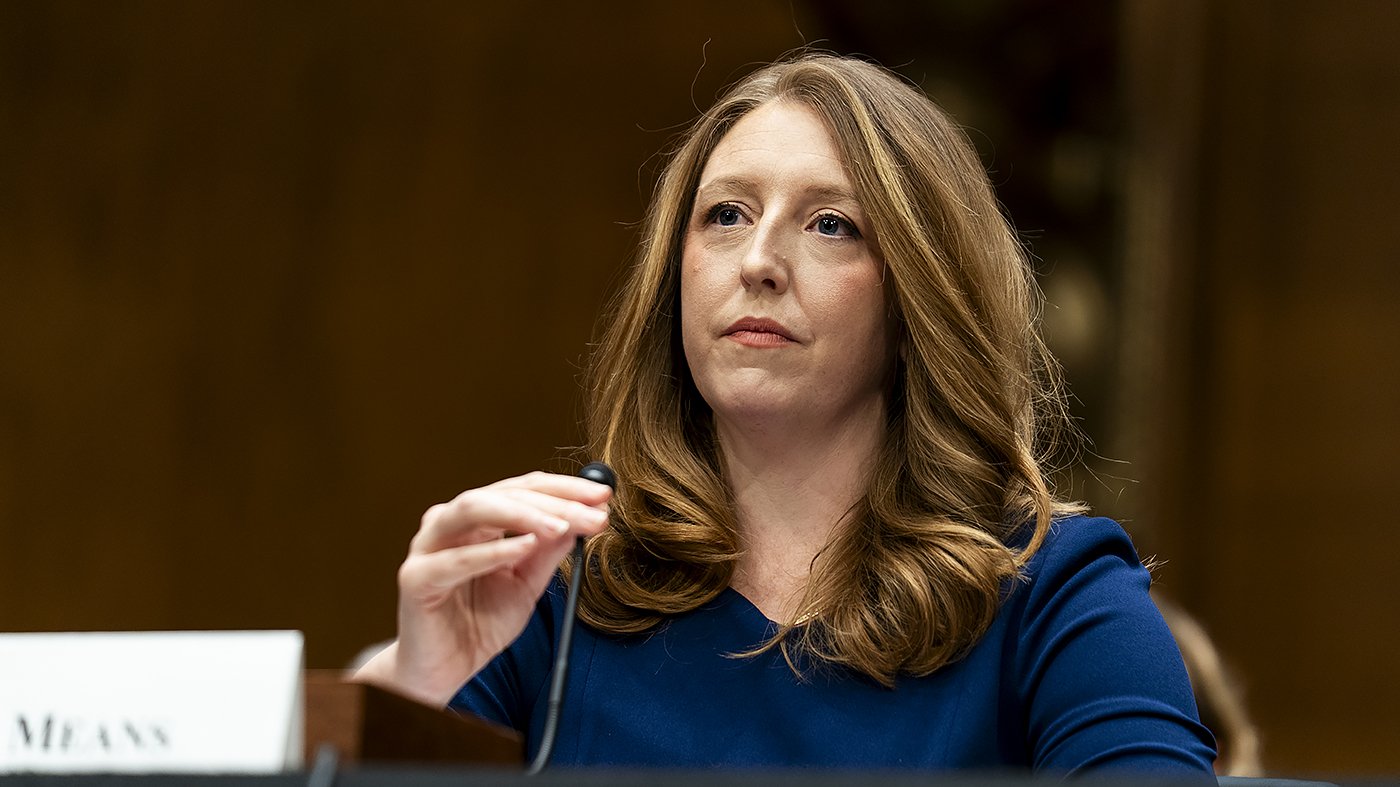
The confirmation of surgeon general nominee Casey Means remains in legislative limbo, with her brother and senior White House adviser, Calley Means, asserting on Thursday that "conversations are ongoing" to secure the necessary Senate votes. His comments come amid deepening skepticism that the nominee can muster sufficient support, particularly after former President Donald Trump recently suggested he might withdraw her nomination.
During an interview on NewsNation's "The Hill," Calley Means was pressed on whether the administration still expected his sister to be confirmed. "We do expect it here at the White House," he told host Blake Burman. He praised Casey Means as "one of the smartest and most eloquent doctors in the country," adding that the moment demands a doctor who is not "a defender of the status quo."
Path to Confirmation Appears Narrow
Casey Means's nomination, first put forward in May of last year, has been effectively stalled for months. The process grew more contentious after a difficult Senate committee hearing in February. Senator Bill Cassidy (R-La.), who chairs the Senate Health Committee, has not scheduled a committee vote, and her prospects on the Senate floor are uncertain.
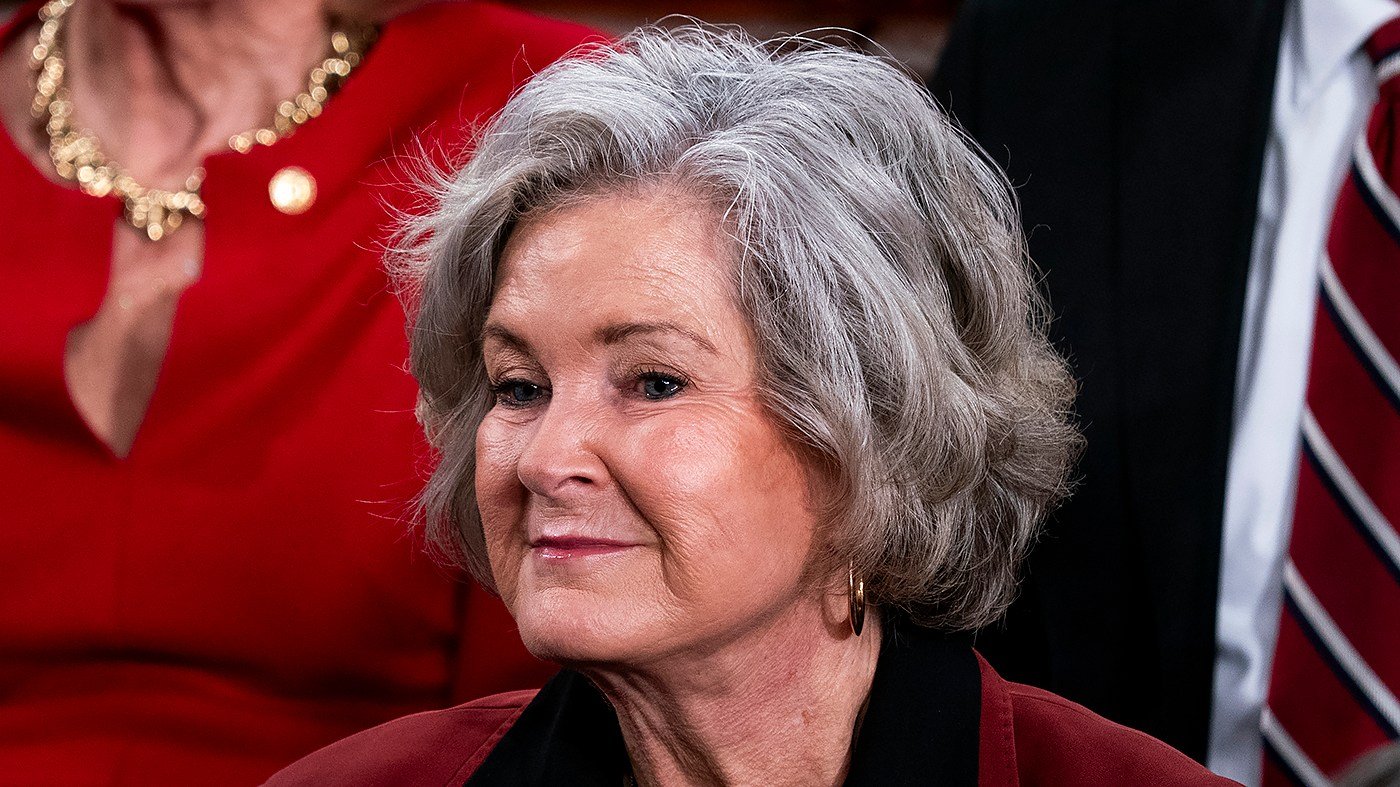
To advance, she would likely require unanimous Republican support. However, at least two key moderate GOP senators—Lisa Murkowski of Alaska and Susan Collins of Maine—have expressed reservations about backing her. This opposition centers on two primary concerns: her qualifications and her public health stances.
Calley Means pushed back against the narrative that his sister lacks the votes. "I would not say that is the case," he stated. "I think these conversations are ongoing." He argued that Casey Means has been subjected to media "character assassination" but claimed senators are coming to understand the need for a surgeon general focused on "critically thinking and talking about the root cause of chronic disease."
Controversies Over Vaccines and Qualifications
The nominee's hearing drew significant criticism for her response to questions about vaccines. When asked directly about the measles vaccine, she stated vaccinations "save lives" and are a critical public health tool but stopped short of broadly encouraging childhood immunization against specific diseases. She later clarified that she believes individuals should receive the measles shot, aligning her position with that of Centers for Medicare and Medicaid Services Director Dr. Mehmet Oz.
A more fundamental hurdle is her professional background. The surgeon general has historically been a licensed physician who completed both medical school and a residency. Casey Means graduated from medical school but did not finish her residency, placing her outside the traditional qualification framework for the role. This has led to significant GOP resistance stalling the nomination.
The White House's continued support for Means, as articulated by her brother, contrasts with Trump's own ambiguous signals about the nominee's future. This internal tension reflects a broader pattern of the administration navigating contentious confirmations, similar to the strict conditions Senator Thom Tillis has outlined for any future attorney general nominee regarding January 6 rhetoric.
The standoff over the surgeon general post underscores how presidential nominations can become focal points for broader political battles, even in public health roles typically marked by greater consensus. With the nomination languishing for nearly a year and key Republicans withholding support, the ongoing "conversations" cited by the White House face a steep climb to change the political calculus in the Senate.