Nomination in Limbo as Republican Senators Balk
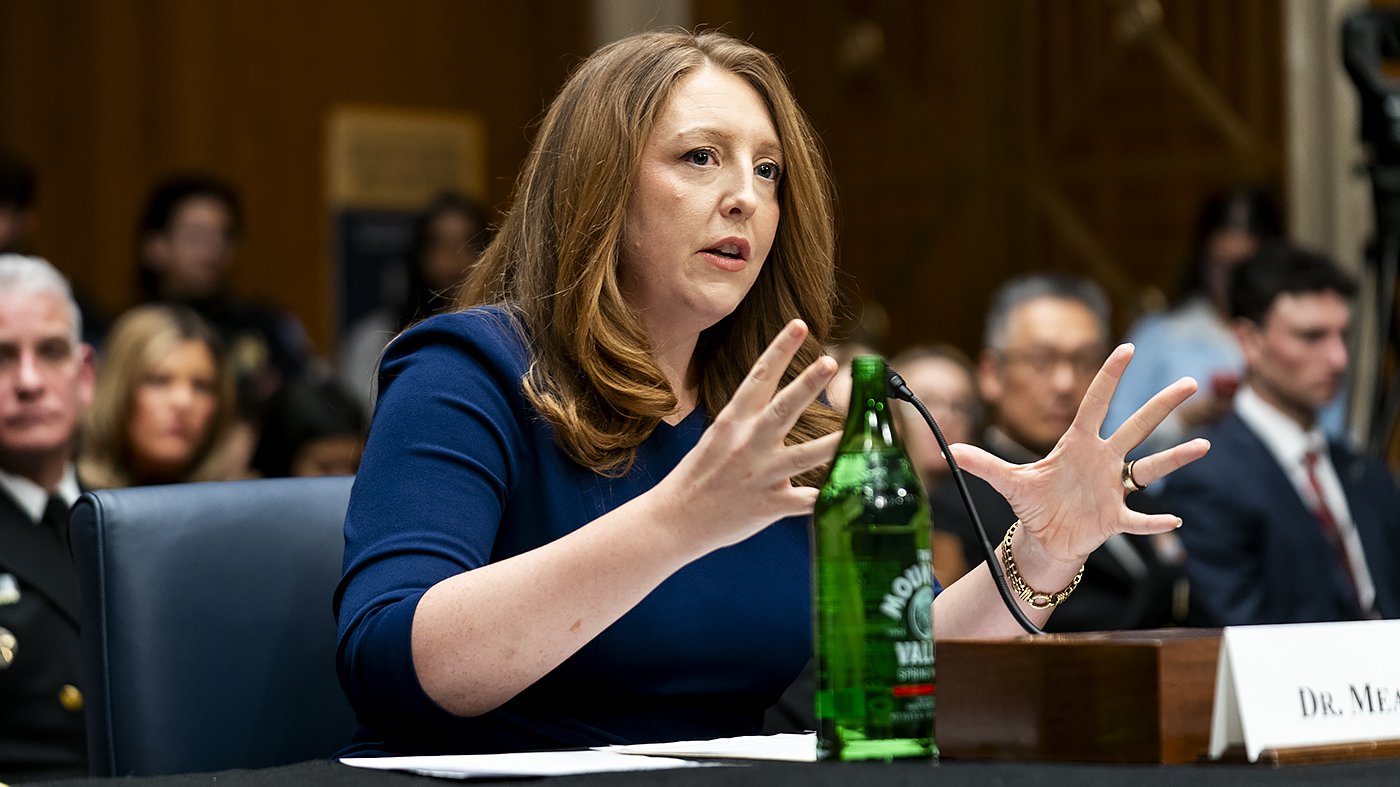
The confirmation of President Trump's nominee for U.S. surgeon general has stalled in the Senate, signaling growing Republican resistance to certain elements of the administration's "Make America Healthy Again" (MAHA) health policy agenda. The nomination of Casey Means, a wellness influencer whose medical license has expired, has failed to advance for over a month following her hearing before the Senate Health, Education, Labor and Pensions (HELP) Committee.
Qualifications and Political Crossfire
While the surgeon general lacks direct regulatory authority, the position commands significant influence as the nation's top public health advocate. Key Republican senators have expressed deep reservations about handing that platform to Means, who has no plans to renew her medical license and possesses what critics call a thin public health record. "She doesn't have the appropriate qualifications. She doesn't really have any public health experience, per se," said Mark Brewer, a political science professor at the University of Maine, echoing concerns voiced by former Trump surgeon general Jerome Adams.
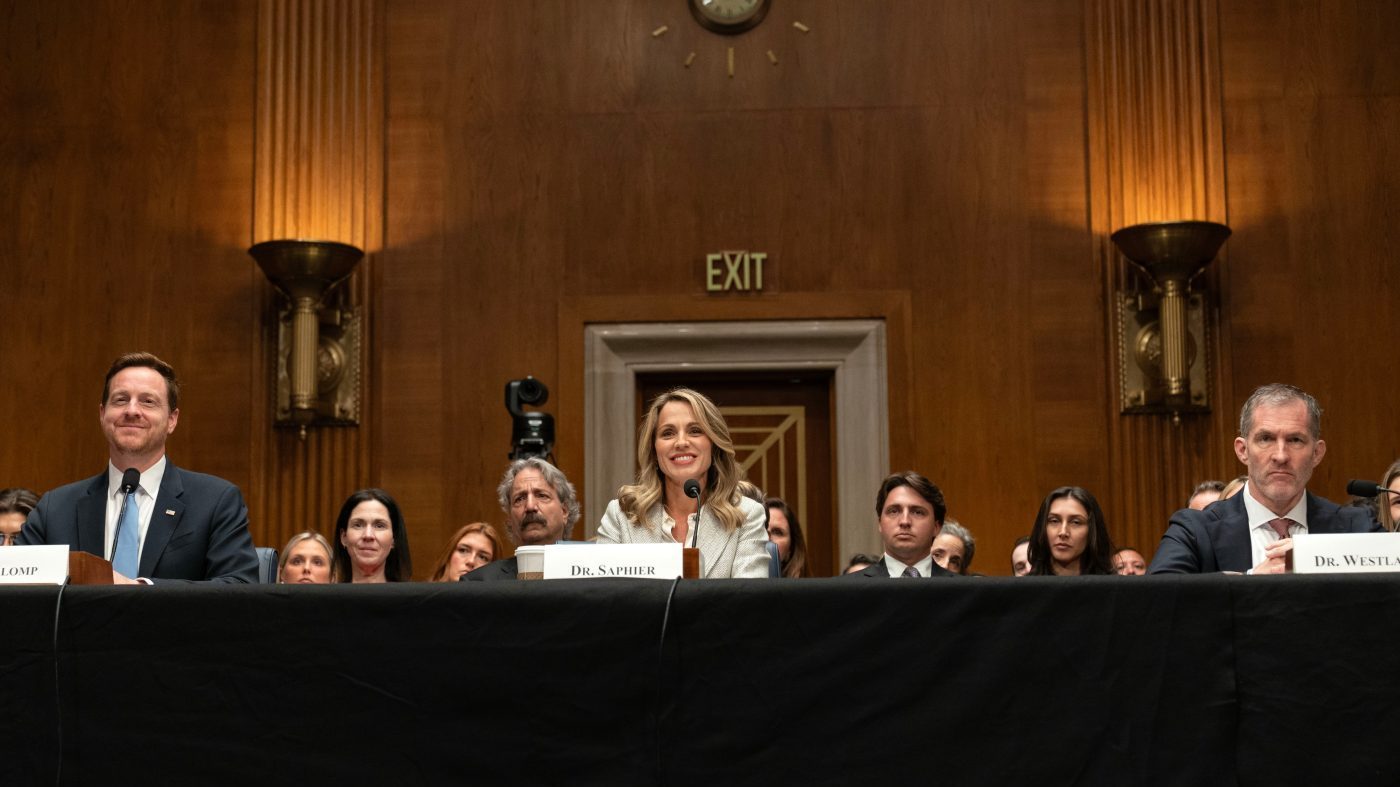
Brewer suggested the hesitation extends beyond qualifications to the message her confirmation would send. "If she were to be installed as the surgeon general, I think it would send a message. And at least some senators are not interested, it appears, in the message that that would send." The impasse comes as the Trump administration pursues other contentious policies, including its recent move to nullify Title IX gender identity agreements with several school districts.
The Republican Holdouts
Three Republican senators are central to the blockade: HELP Committee Chair Bill Cassidy of Louisiana, Lisa Murkowski of Alaska, and Susan Collins of Maine. All three have shown a degree of independence from Trump's political pressure. Brewer noted Trump has "less leverage over those three senators than maybe he would have over some other members." The president has already endorsed a primary challenger against Cassidy, a move that appears to have done little to shift the senator's stance.
Murkowski and Collins have cited specific, unresolved concerns from Means's confirmation hearing. Murkowski, a strong vaccine proponent, questioned Means's past skepticism of hepatitis B vaccines for newborns. Collins raised issues about Means's admitted use of psychedelic mushrooms. "I still have reservations," Murkowski stated last month, adding she did not plan further meetings with the nominee.
White House Whiplash and MAHA Lobbying
The nomination process has seen public contradictions. Trump recently suggested he might withdraw Means's name, only for the White House to immediately and forcefully reaffirm its support. Press Secretary Karoline Leavitt called Means "the best suited" to advance the MAHA agenda and urged the Senate to confirm her swiftly. Means is the sister of White House senior adviser Calley Means, an influential figure within Health and Human Services Secretary Robert F. Kennedy Jr.'s circle.
Pro-MAHA groups have launched lobbying campaigns targeting the holdout senators. MAHA Action, a political action committee supporting Kennedy's movement, declared, "The MAHA movement deserves a Surgeon General who will tell the truth — not a mouthpiece for the broken status quo," and called on supporters to pressure Collins and Murkowski. However, not all MAHA supporters back Means. Ryan Cole of the Independent Medical Alliance argued Republicans need a surgeon general "who can articulate with credibility the health benefits of cleaner food and healthier lifestyles."
Broader Political Context
The stalled nomination reflects a broader tension within the Republican Party as it navigates Trump's second-term priorities. The resistance emerges even as the administration takes aggressive stances on other fronts, such as when Trump proposed imposing tolls in the Strait of Hormuz, a tactic mirroring Iran's own. The surgeon general fight underscores a willingness among some GOP senators to draw a line on nominees they view as unqualified, despite potential political fallout.
With no Democratic support expected in committee, the opposition from just two Republican senators—Murkowski and Collins—is enough to sink the nomination. There is no current plan to schedule a vote, leaving Casey Means's nomination effectively frozen and highlighting the limits of presidential influence over an increasingly assertive Senate faction.