Wealthy Fed Nominee Files Financial Disclosures Ahead of Senate Scrutiny
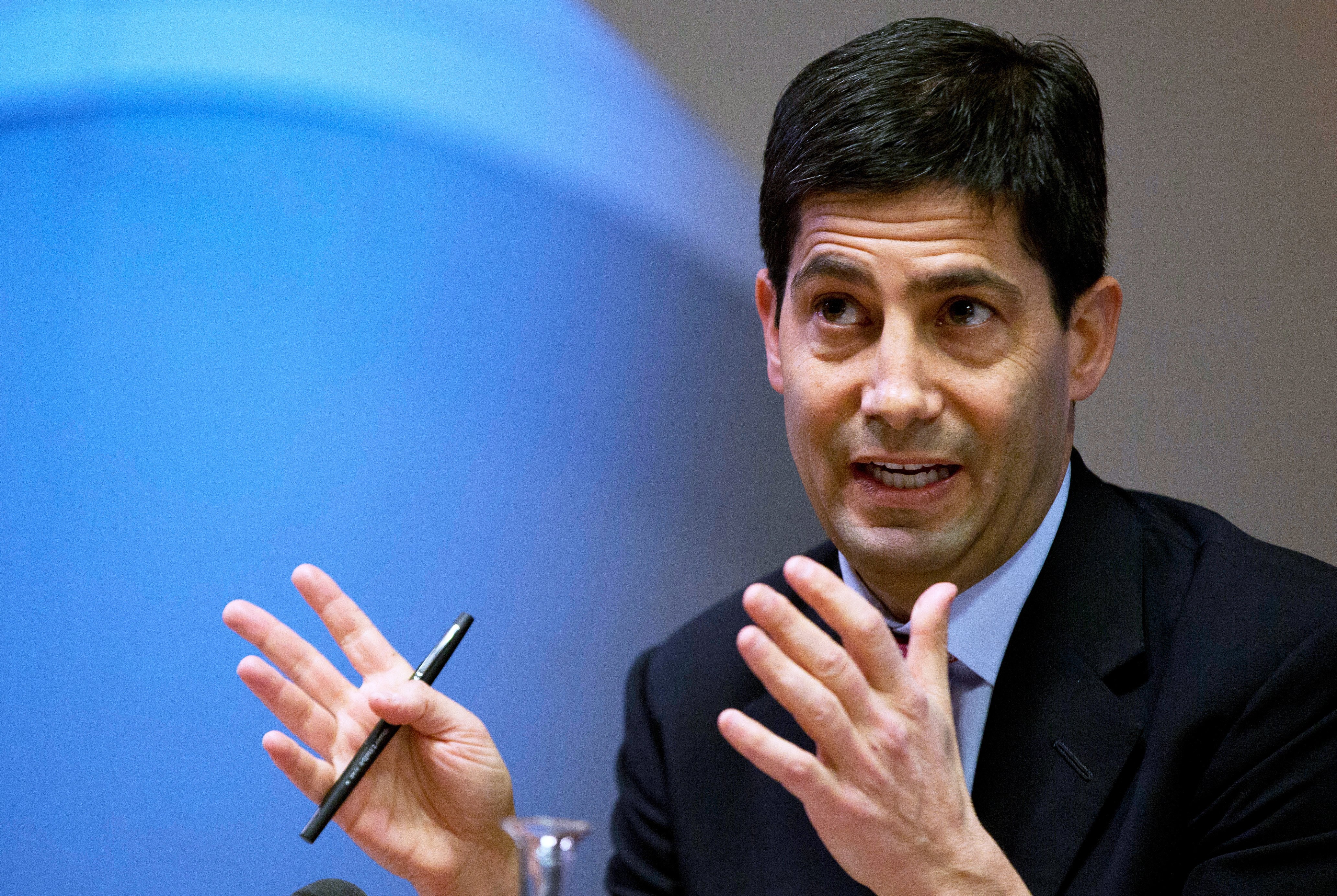
Kevin Warsh, President Trump's nominee to chair the Federal Reserve, has submitted financial disclosures revealing personal assets valued between $131 million and $209 million. The 69-page filing, submitted to the U.S. Office of Government Ethics, precedes his scheduled confirmation hearing before the Senate Banking Committee next week. Warsh has pledged to divest from substantial holdings, including two investments each worth over $50 million in the Juggernaut Fund, LP, and to resign from advisory roles if confirmed.
The disclosed wealth would make Warsh the most affluent individual ever to assume the role of Fed chair. The document details approximately 1,800 individual assets, with many listed under "pre-existing confidentiality obligations" that restrict further public detail. It also shows Warsh collected $10.2 million in consulting fees from the office of prominent Wall Street investor Stanley Druckenmiller.
Confirmation Path Clouded by GOP Protest Over DOJ Probe
The nomination's advancement is complicated by a protest from within Trump's own party. Senator Thom Tillis (R-N.C.) has vowed to oppose all of the president's nominees until the Justice Department concludes its criminal investigation into current Fed Chair Jerome Powell. Tillis affirmed last month that his vote for Warsh "hinged on the DOJ dropping its criminal case against Powell," despite praising Warsh's "impeccable credentials and a clear vision." This stance highlights internal GOP tensions over the administration's approach to federal institutions.
Senate Banking Committee Chair Tim Scott (R-S.C.), who announced the hearing date, expressed optimism on Fox Business. "I believe, yeah, no, I know the Senate likes Kevin Warsh a lot, and I suspect Tom Tillis likes him as well, but he's trying to make a point here," Scott said. He predicted the DOJ was "getting closer and closer" to ending its probe within "the next few weeks," though provided no specific evidence. Scott stated he expects Warsh to advance from committee with Tillis's eventual support.
The hearing, reportedly set for April 21, will focus on core central bank issues. "We'll talk through the economy, talk through price stability and inflation. We'll talk about the independence of the Fed," Scott told host Maria Bartiromo. The question of Fed independence is particularly acute given the broader political scrutiny the Justice Department has faced during the Trump administration.
Background and Political Context
Trump nominated Warsh, a former Federal Reserve board member, in January to replace Jerome Powell, whose term ends May 15. Powell has stated he will remain until a successor is confirmed. Warsh's confirmation process had been stalled awaiting his financial disclosures.
Democrats are expected to scrutinize Warsh's extensive Wall Street ties and the administration's broader posture toward the Fed. The Trump administration's criminal probe into the central bank and threats to weaken its independence have drawn sharp criticism. The nomination arrives amid a climate where senior officials have defended aggressive DOJ involvement in politically sensitive matters.
Senator Tillis's blockade is not his first break with Trump administration proposals. He has previously publicly criticized strategic foreign policy moves, such as proposed tolls on Strait of Hormuz shipping, warning of impacts on Asian allies. His current stance on the Warsh nomination underscores the complex dynamics facing Trump's nominees in a narrowly divided Senate, where single-party defections can derail confirmations.
The coming weeks will determine whether Warsh's promised divestments and professional resignations satisfy ethics concerns, and if political hurdles can be cleared. His hearing will serve as a key test of both the nominee's vision and the Senate's appetite for confirming a Fed chair amid ongoing institutional tensions.