Georgia Senator frames spiritual duty alongside political condemnation
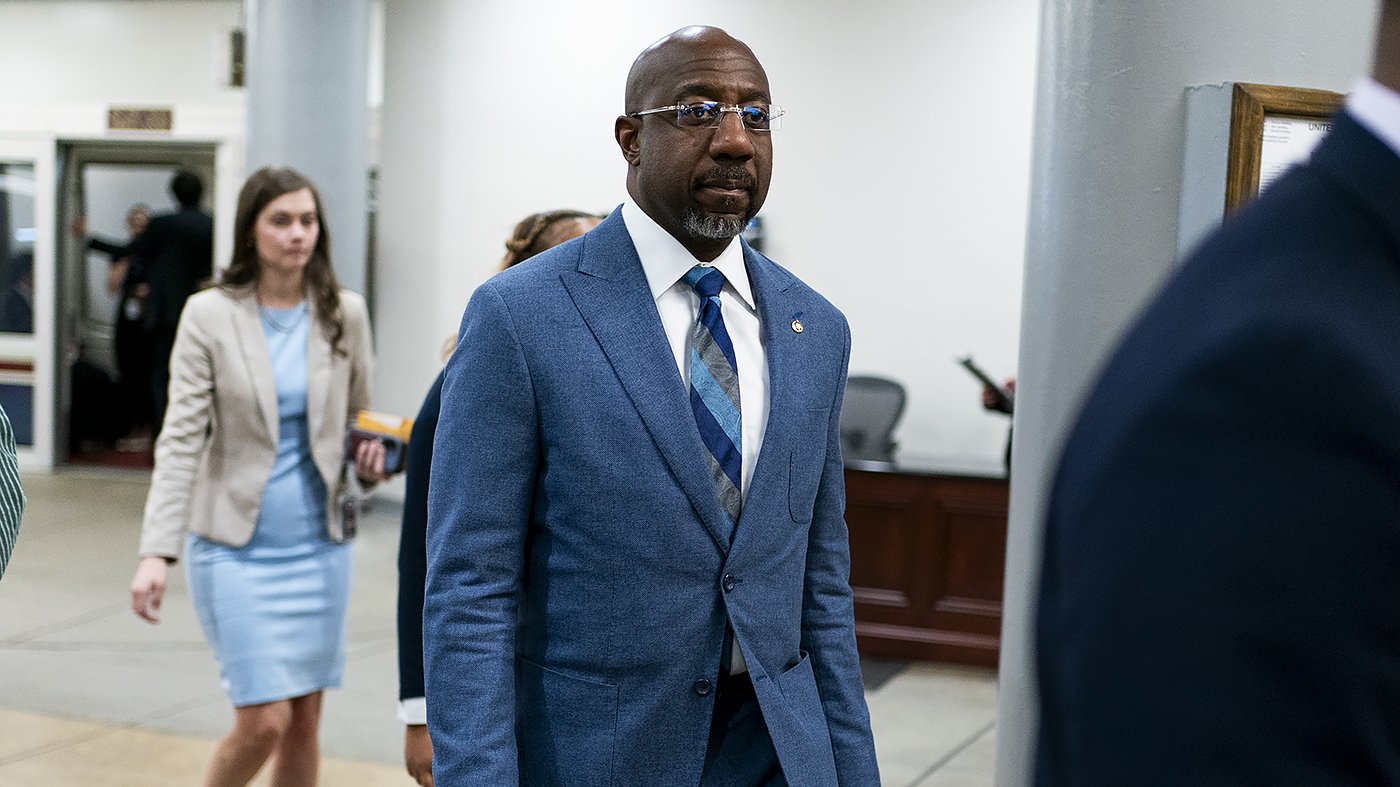
In an interview broadcast on Easter Sunday, Senator Raphael Warnock (D-Ga.) stated that he prays for former President Donald Trump, explicitly connecting his spiritual practice to political accountability. The senator, who also serves as a senior pastor at Atlanta's Ebenezer Baptist Church, told CNN's Jake Tapper that while he affirms Trump's humanity, prayer must accompany prophetic criticism of power.
"I absolutely pray for him," Warnock said on "State of the Union," noting Trump's "influence and power over people I care about." He added, "He needs a lot of prayer." The senator clarified that his prayers are not merely personal but are fundamentally about accountability for Trump's actions and rhetoric.
Prayer as a vehicle for confronting 'ungodly' policies
Warnock drew a direct line between his faith and his political criticism. "For me, prayer and prophetic speech, which holds power accountable, those two things go hand in hand," he explained. "I am not about to be the chaplain blessing that which is ungodly and unjust." He specified that his condemnation targets what he described as Trump's "unabashed, unvarnished bigotry" and "the cruelty that he is unleashing on American streets through his version of [Immigration and Customs Enforcement]."
This public wrestling with the tension between spiritual compassion and political opposition reflects a broader dynamic within the Democratic Party as it navigates its relationship with the polarizing former president. The party continues to grapple with its strategic posture while confronting what some analysts describe as a persistent existential crisis despite Trump's own political vulnerabilities.
Longstanding religious and political friction
The Easter comments are the latest in a series of pointed exchanges between Warnock and Trump that center on faith and its application to public life. Earlier this year, after Trump claimed on Truth Social that Warnock used "religion to try and divide the entire country," the senator retorted that Trump "ought to read the Bible."
In a February interview with The Root, Warnock offered a sharper theological critique, asserting that "in Donald Trump's White House, Jesus is a victim of identity theft." These barbs underscore how religious language and symbolism remain potent weapons in the nation's political conflicts, a theme that surfaces in other policy arenas where Trump's pronouncements carry weight, such as when he issues a social media ultimatum to Iran laden with dramatic rhetoric.
Warnock also referenced the ongoing investigations into the 2020 election, criticizing Trump in relation to an FBI raid at a Fulton County, Georgia, election office in late January. Federal agents executed a search warrant for records connected to the election, an action that followed Trump's persistent, unsubstantiated claims that the election was stolen from him through widespread fraud.
The senator's dual role as a pastor and politician places him in a unique position to comment on the intersection of morality and governance. His critique extends beyond personal character to institutional actions, suggesting that accountability must follow those who wield official power. This perspective aligns with ongoing legal and political scrutiny facing Trump, including other challenges to his executive actions, such as the likely judicial defeat facing his attempt to end birthright citizenship.
By framing his Easter Sunday remarks around the necessity of prayer coupled with accountability, Warnock articulated a vision of faith that is actively engaged in political judgment rather than offering uncritical support. His comments ensure that debates over Trump's legacy and conduct will continue to be infused with moral and spiritual language as the 2024 election cycle approaches.