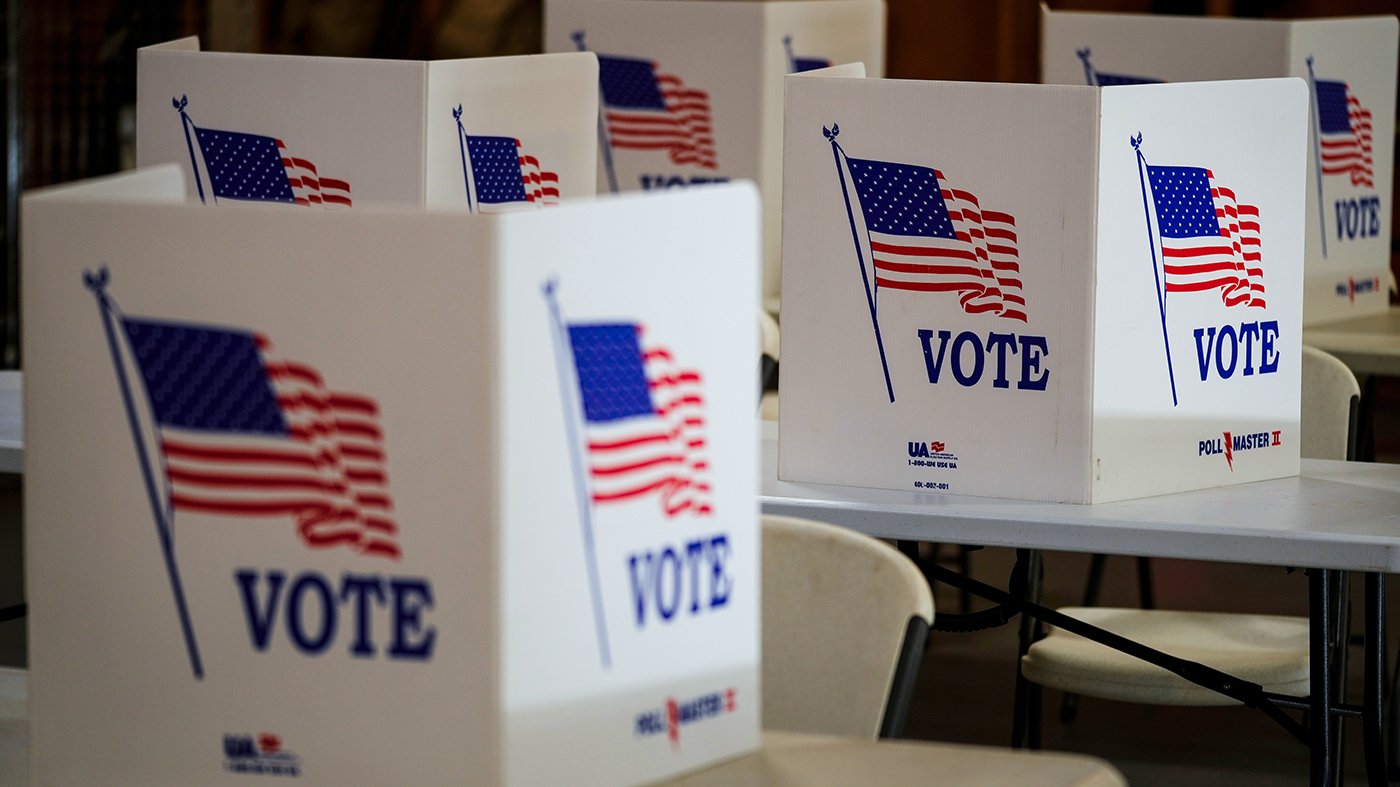
A coalition of voting rights organizations and individual voters filed a federal lawsuit on Tuesday seeking to halt the Justice Department's sweeping effort to compile national voter registration data from states. The plaintiffs argue the initiative represents an unlawful attempt to centralize election administration and could lead to the improper removal of eligible voters from rolls ahead of the November midterm elections.
The legal challenge, led by the advocacy group Common Cause, contends the DOJ is responding to President Trump's calls to "nationalize" elections by demanding sensitive personal information—including Social Security numbers, driver's license details, addresses, and party affiliations—from every state. The complaint alleges this would create a "sprawling new voter surveillance and purging apparatus" under federal control.
"Never before has a federal agency centralized this volume of Americans' voting data in a single system of records," states the lawsuit, which asks a federal judge to block the DOJ from compiling or using the data and to order the deletion of any information already obtained.
A "Partisan Power Grab"
Common Cause President and CEO Virginia Kase Solomón characterized the administration's actions in stark terms. "This is a blatant, partisan power grab," she said in a statement. "By attempting to interrogate and exploit voter data for political purposes, President Trump's DOJ isn't just threatening the privacy of every American—they are building a system designed to imprison the ballot box and silence millions of eligible voters."
The lawsuit asserts the Justice Department seeks to usurp states' constitutional authority over elections by imposing its own "secretive 'verification procedures'" to identify ineligible voters and then force states to remove them. This legal confrontation over federalism and election integrity echoes other tensions between the administration and states, such as the ongoing Senate clash over the Federal Reserve's autonomy.
State Resistance and Legal Battles
The DOJ's data request has met with widespread resistance. While at least 12 states have complied and up to 19 have indicated they might, the majority have refused. In response, the Justice Department has filed lawsuits against 30 states and the District of Columbia to enforce its demands. Five of those suits have already been dismissed by federal judges who found the administration failed to adequately justify the requests.
This aggressive legal posture from the administration is not isolated. It follows a pattern of testing institutional boundaries, including considering blanket pardons for officials and challenging judicial rulings on environmental policy, like when a federal judge blocked rules aimed at slowing renewable energy projects.
Harmeet Dhillon, the DOJ's civil rights chief, has defended the initiative as essential for election integrity. "Ensuring election integrity is a paramount duty," Dhillon stated. On the social platform X, she added, "Many states fail to clean noncitizen & deceased people from their voter rolls, and under my leadership, @CivilRights will continue working to ensure that ONLY eligible American citizens vote in our elections!"
The lawsuit frames the conflict as a fundamental struggle over voting rights and privacy. It arrives amid a highly charged political season where control of Congress hangs in the balance. The plaintiffs vow to continue their fight, stating, "We won't stand by while Americans' rights to privacy and voting are under attack." The outcome could significantly impact voter roll management and the balance of power between state and federal authorities in administering elections for years to come.