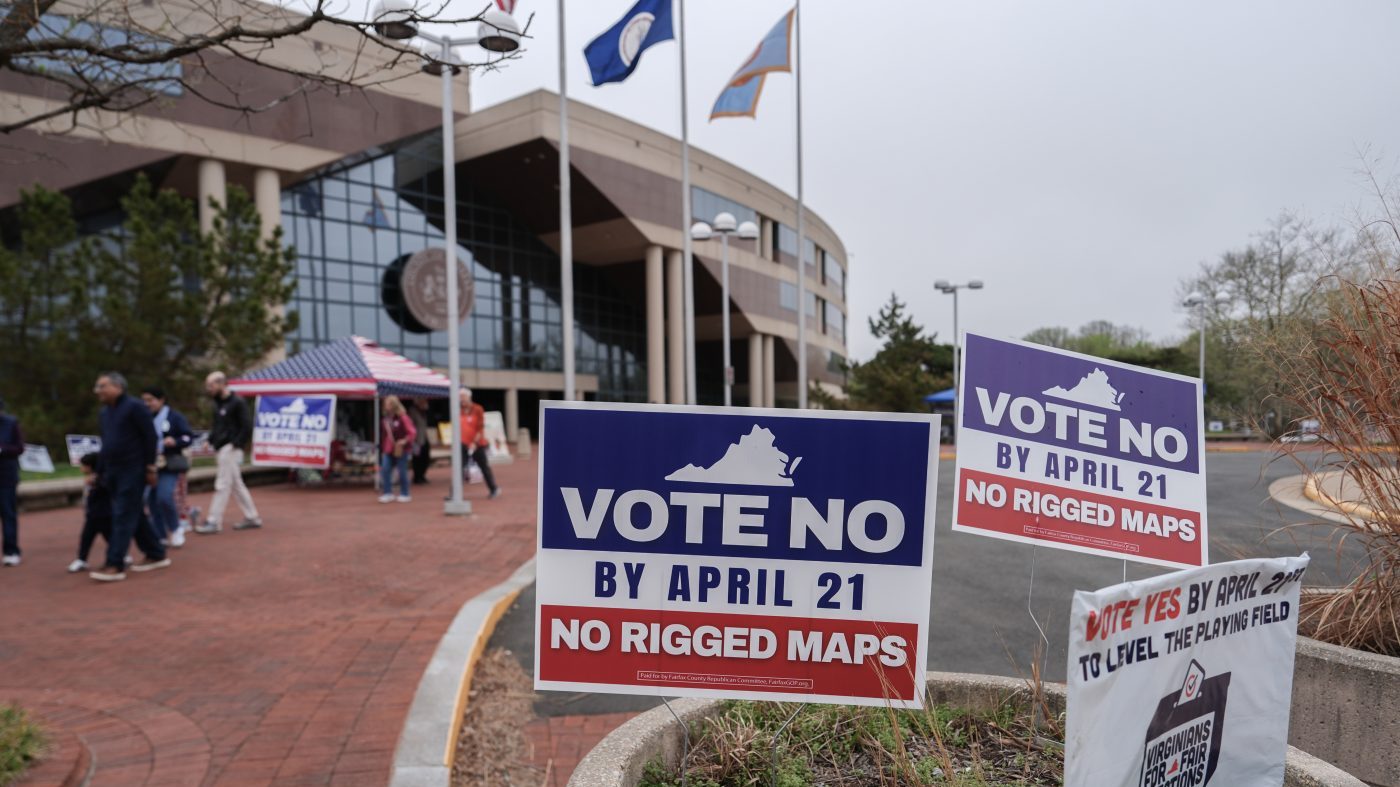
A narrow majority of Virginia voters supports a proposed state constitutional amendment that would redraw congressional district boundaries to give Democratic candidates a structural advantage in the upcoming November elections, according to newly released polling data. The Washington Post-Schar School survey indicates the politically charged referendum, set for a special election on April 21, is passing by a slim margin as early voting continues.
Polling Shows a Tight Divide
The poll, conducted from March 26-31, found 52% of respondents would vote 'yes' on the measure if the election were held now, while 47% would vote 'no.' The survey of 1,101 registered voters carries a margin of error of 3.4 percentage points, highlighting the contest's competitiveness. This comes as national polling shows Democrats gaining ground with control of both congressional chambers at stake in November.

Despite the overall lead for the 'yes' side, the survey reveals a significant enthusiasm gap. Approximately 85% of Republican and Republican-leaning voters said they plan to or have already voted against the proposal. In contrast, 77% of Democrats and Democrat-leaning independents reported being committed to casting a ballot. This dynamic suggests turnout will be critical to the measure's fate.
Amendment Details and Legal Battle
The amendment would temporarily bypass Virginia's bipartisan redistricting commission to enact new congressional maps before the 2024 election. Analysts project the new boundaries could deliver Democrats as many as four additional U.S. House seats. The Virginia Supreme Court approved the measure for the ballot just days before early voting commenced last month, ending a series of legal challenges from state Republicans who sought to block the referendum.
Democratic leaders have framed the effort as a necessary countermeasure. "This levels the playing field so that Virginians can protect fair representation at a moment when it is under direct threat," Virginia House Speaker Don Scott, a Democrat, said last month. The push occurs alongside a broader judicial and political battle over redistricting playing out in several key states.
National Redistricting Arms Race
The Virginia campaign has drawn high-profile national figures into the fray. Former President Barack Obama appeared in an advertisement urging support, arguing the measure is a direct response to actions by Republican-led states. "They've taken the unprecedented step of redrawing their congressional maps in the middle of the decade... to give themselves an unfair advantage," Obama stated. "Virginians can respond by making sure your voting power is not diminished."
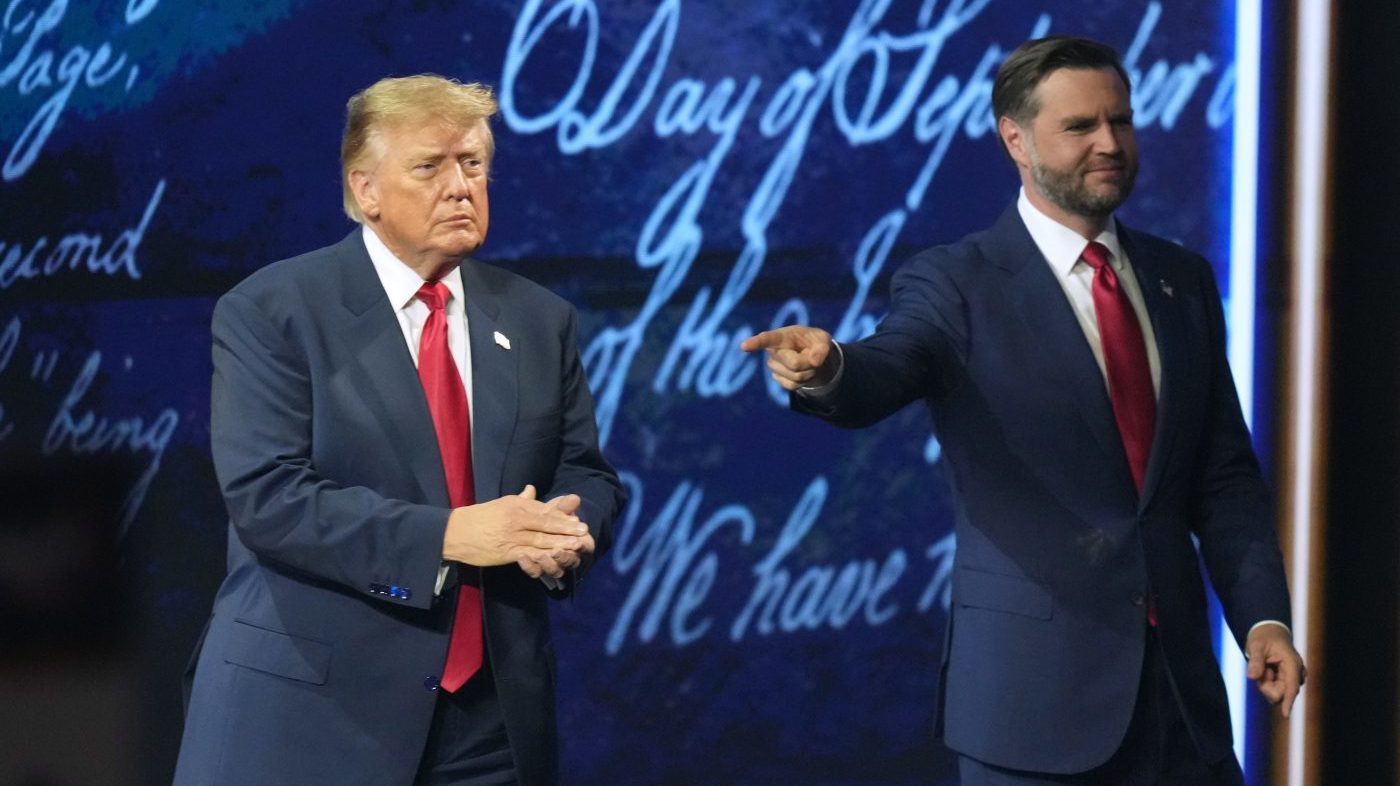
This follows public encouragement from former President Donald Trump last year for Republican states to aggressively redraw districts to maintain GOP control of Congress. Several have done so: Texas, North Carolina, and Missouri have all passed new congressional maps designed to bolster Republican candidates. Conversely, a similar initiative in California last year created new pickup opportunities for Democrats, and Utah's Supreme Court recently cleared the way for a new map that could benefit Democrats in Salt Lake County.
The Virginia vote underscores how redistricting has become a continuous, national political war, moving far beyond the traditional once-a-decade cycle following the census. The outcome could have immediate consequences for the balance of power in a narrowly divided U.S. House of Representatives, where a record number of Republican retirements is already threatening the GOP's fragile majority.