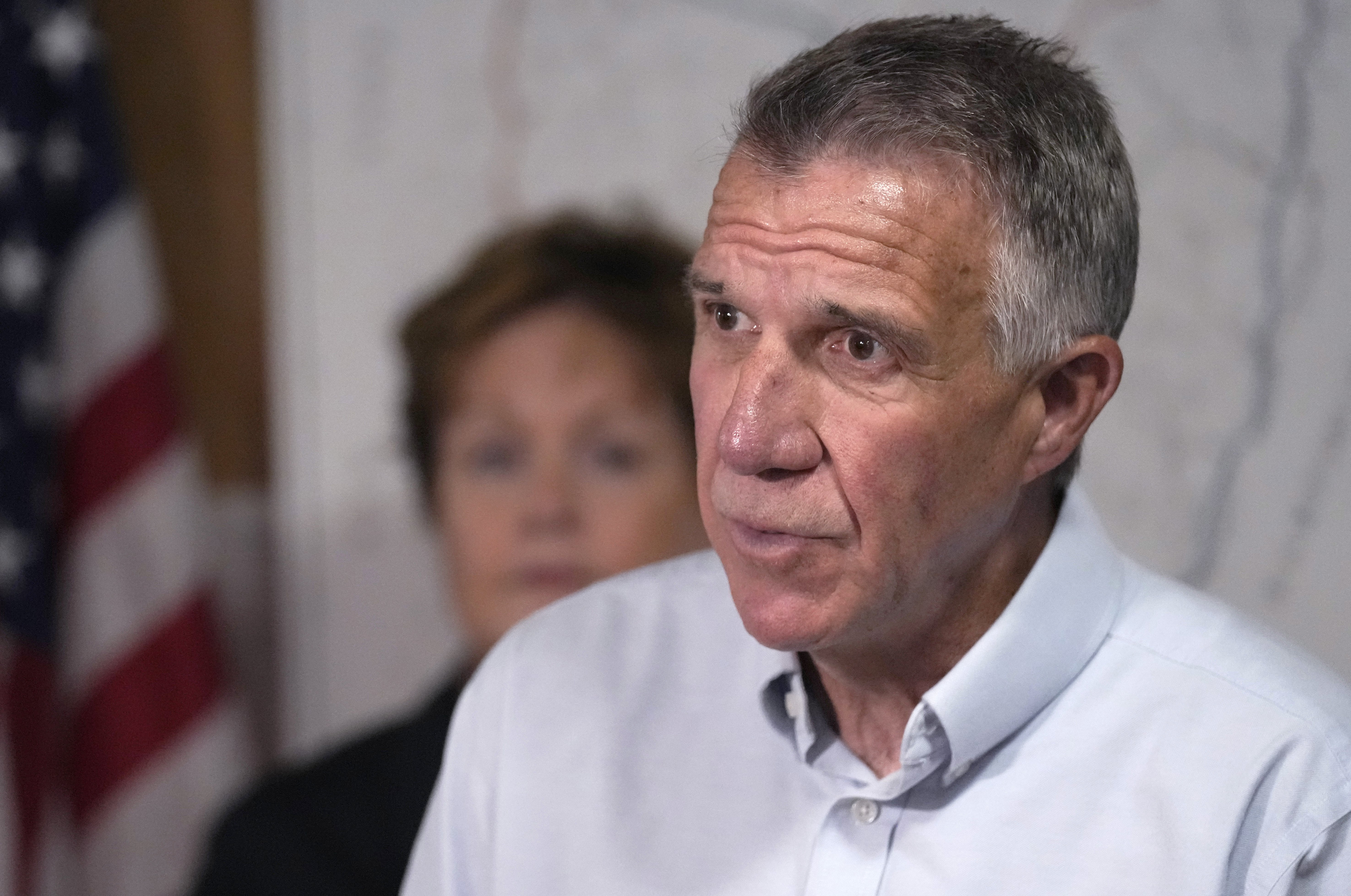
Administration's Hybrid Work Mandate Collides with Labor Law
Governor Phil Scott's push to return thousands of Vermont state employees to the office has been formally declared an unlawful labor practice, transforming a policy pitched as commonsense management into a case study in governmental overreach and fiscal negligence. The Vermont Labor Relations Board ruled on April 1 that the Republican administration failed to bargain in good faith with the state employees' union before imposing its hybrid work standard, voiding what was marketed as an efficiency reform.
A Settled Practice, Unilaterally Overturned
The administration's fundamental error was treating a decade-old, data-backed telework system as a discretionary perk. Vermont's formal telework policy, described by state HR leadership as effective since 2012, was a established condition of employment for roughly 3,000 workers. Testimony from 2023 revealed about 3,100 approved telework agreements, with 44% of employees working remotely an average of 28 hours weekly. This was a mature operational framework, not an emergency pandemic measure. State employee contracts, valid through mid-2026, and clear Vermont labor law requiring collective bargaining made the administration's unilateral move a predictable legal failure.

The order's impact was profound, disrupting the lives of employees who had built childcare, commuting, and housing arrangements around a remote work model the state itself had cultivated. Instead of negotiating adjustments to this system, officials issued a blanket mandate, treating a settled arrangement as a management prerogative they could revoke at will.
The Mounting Financial Reckoning
The legal defeat triggers a costly domino effect for Vermont taxpayers. The labor board's ruling compels the state to potentially unwind the policy, restore previous telework arrangements, and provide restitution to employees for losses incurred. Governor Scott himself acknowledged the state could be liable for commuting, childcare, and other costs his order created—a circular fiscal absurdity where taxpayers fund both the problem and its remedy.
Compounding the error, the administration locked the state into new financial obligations to support the now-unlawful mandate. As reported by VTDigger, Vermont signed leases for an additional 22,000 square feet of private office space in Waterbury, committing to roughly $430,000 in the first year and approximately $2.3 million over five years. This expansion directly contradicts federal guidance. The Government Accountability Office has warned public employers to reassess their real estate footprints amid hybrid work, not expand them. Vermont's move represents the fiscal logic of a teenager with a credit card, as one critic noted, taking on fixed overhead during a tight-budget era.
Ignoring the Evidence on Productivity and Retention
The managerial rationale for the order was weak from the start. The state's own 2023 employee engagement data showed telework and hybrid schedules were top factors in retention. External evidence, including a major Stanford-led study, confirms hybrid workers maintain productivity and promotion rates while showing significantly lower resignation rates. A serious administration would have used this data to bargain for targeted, mission-driven in-person requirements. Instead, Vermont pursued a one-size-fits-all approach rooted more in ideology than operational necessity, a pattern of performative governance seen in other contexts, such as when political agendas override evidence-based policy, threatening critical functions.
The fallout leaves Vermont with a potential double burden: reimbursing employees for unnecessary costs while paying for unneeded office space. This blunder occurs as other branches of government grapple with the complex logistics of federal operations and workforce management, similar to the funding and pay uncertainties threatening essential agencies like the TSA.
A Broader Lesson in Governing
The Vermont telework fiasco underscores a persistent hazard in public administration: when politicians use government machinery to make cultural statements, symbolic toughness often translates into tangible waste. Taxpayers deserve a government that negotiates before it dictates, analyzes data before it leases, and solves problems before it creates expensive liabilities. On this issue, the Scott administration did the precise opposite, delivering a masterclass in how to turn a settled, functional policy into a multimillion-dollar legal and fiscal quagmire. The episode serves as a stark reminder that effective governance requires respecting established processes and evidence, a principle as relevant in state capitals as it is when Congress returns to high-stakes debates over surveillance and security funding.