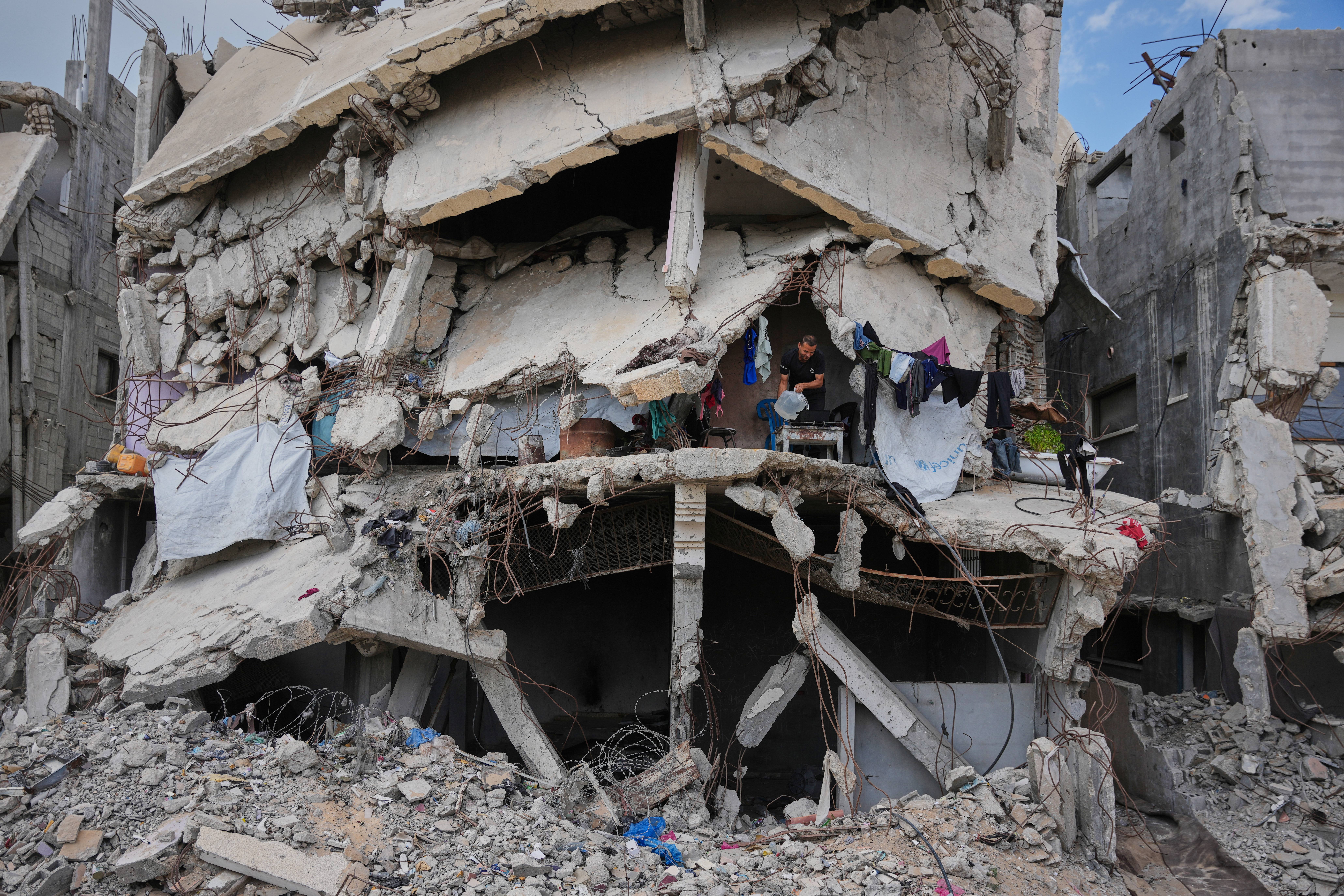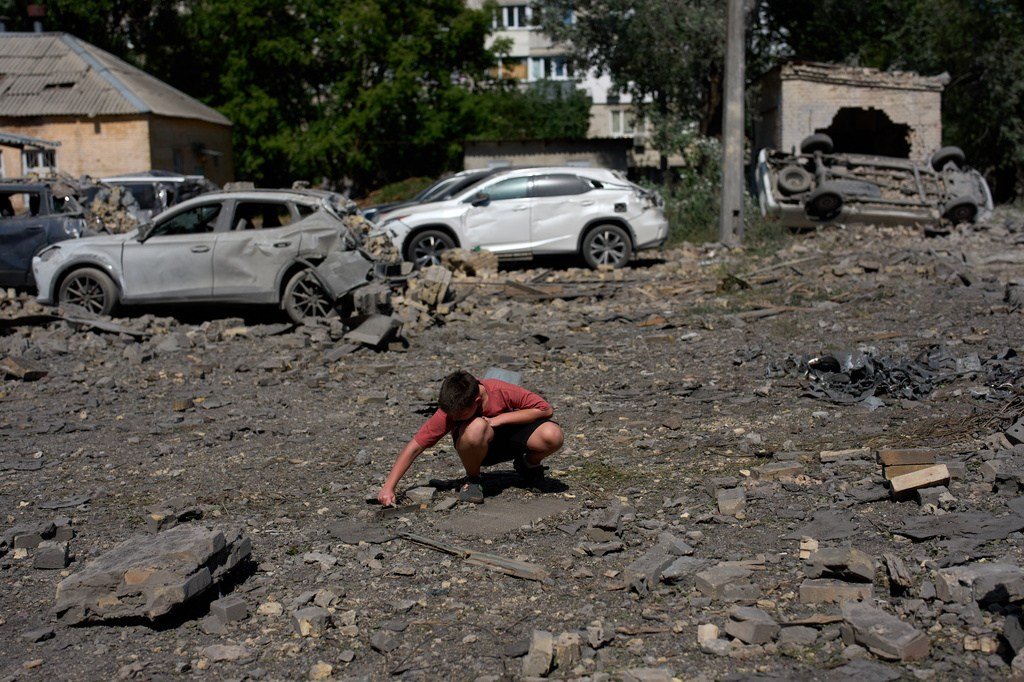
As Russia intensifies its deadly campaign against Ukrainian cities and infrastructure, Kyiv has responded by striking Russian military and energy assets. The Trump administration's message, however, has been muddled—publicly cautioning Ukraine while remaining largely silent on Moscow's attacks on American business interests in the region.
Vice President JD Vance recently admonished Ukrainian President Volodymyr Zelensky over Ukraine's strike on the Caspian Pipeline Consortium terminal in Novorossiysk, a facility with stakes held by Chevron and ExxonMobil. Vance argued the attack was "destabilizing oil markets and harming U.S. companies." But critics point out that Russia has hit facilities belonging to Coca-Cola, Boeing, Mondelez, Cargill, and Philip Morris dozens of times over the past year—with no similar public rebuke from the administration.

David J. Kramer, executive director of the George W. Bush Institute and a former State Department official, argues that American leaders should be consistent in defending U.S. corporate interests. "The administration has been silent in these cases," Kramer writes, noting that the White House's response to Russian attacks on U.S. assets has been muted despite its pledge to protect American commercial interests abroad.
The inconsistency is glaring. When Ukraine targets Russian oil infrastructure, Washington voices concern. When Russia bombs American-owned factories in Ukraine, the administration says nothing. Kramer contends that pressure should be directed at Moscow, the aggressor that started the war and continues to occupy Ukrainian territory.
Russia's strikes on Ukrainian ports in Odesa—critical for grain exports—have also contributed to global food price volatility. Before the 2022 invasion, Ukraine ranked among the world's top producers of wheat, corn, barley, and sunflower oil, according to USDA data. The disruption of Black Sea shipping sent food prices to record highs, and renewed attacks now threaten further instability, especially with the Strait of Hormuz also closed to shipping.
Kramer argues that the Trump administration should press Russia to halt these attacks, not just lecture Ukraine. He also calls for sustained military aid to Ukraine and tighter sanctions on Moscow, echoing bipartisan efforts in Congress to impose new penalties on Russia. The administration has continued to share intelligence with Kyiv, but Vance has boasted about ending U.S. military assistance—a move that undermines Ukraine's ability to defend itself.
Ukraine's strikes on Russian energy facilities are a legitimate form of self-defense, depriving Moscow of revenue that fuels its war machine. Ukrainian officials have also targeted Wildberries, Russia's largest online retailer, claiming it supports the military. These actions give Russians a taste of what Ukrainians have endured for years.
Kramer emphasizes that the path to ending the war and protecting American interests lies in helping Ukraine win—not in pressuring Kyiv to hold back. "By helping Ukraine and pressuring Russia, the Trump administration can expedite an end to the war," he writes, which would also safeguard U.S. companies, stabilize global markets, and save innocent lives.
The administration faces a defining test in its approach to the global authoritarian axis. Critics argue that Washington's selective outrage—condemning Ukrainian retaliation while ignoring Russian aggression—risks emboldening Moscow and alienating Kyiv. As Senate Democrats demand stronger action on Russia, the pressure is mounting for the White House to recalibrate its stance.
For now, the ball is in the administration's court. Will it continue to pressure Ukraine, or finally direct its leverage where it belongs—on Vladimir Putin?