The Trump administration is backing away from its bid to impose a nationwide arms embargo on Sudan, conceding to deep divisions within the United Nations Security Council. Instead, the Council is expected to vote Thursday on a brief extension of the existing regional embargo limited to Darfur.
The draft resolution, obtained by The Hill, would renew measures under UNSC Resolution 1591 until December 11. The U.S., which serves as the penholder for Sudan sanctions, proposed the technical extension after failing to secure support for a broader arms ban covering the entire country.

Sudan’s deputy permanent representative to the U.N., Ammar Mohammed Mahmoud Mohammed, welcomed the move, saying Khartoum has always favored enforcing existing sanctions rather than widening them. “Sudan has consistently maintained that the priority should be to enforce the existing sanctions regime, not expand it,” he told The Hill.
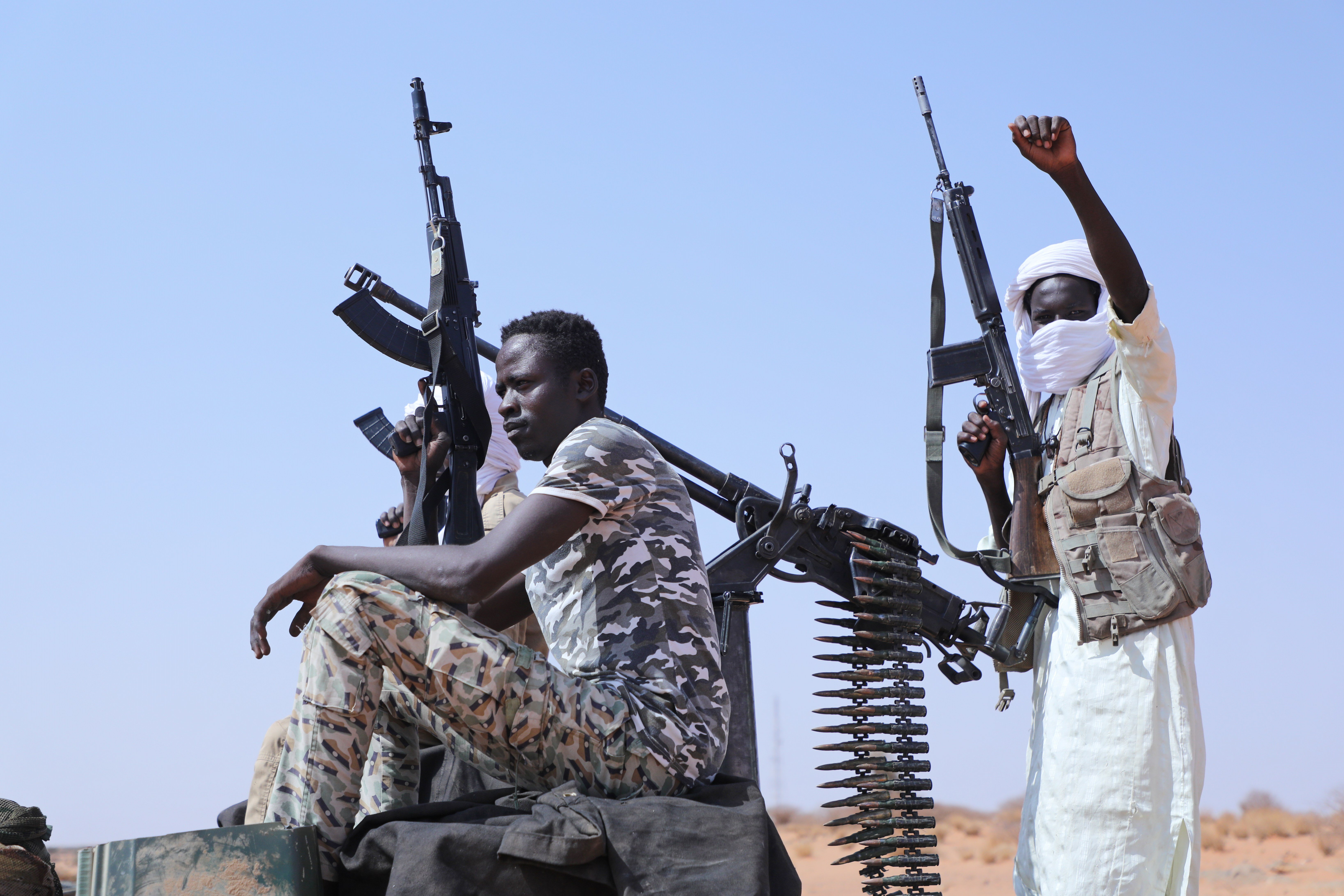
The decision to pursue a short-term renewal underscores the stalemate on the Council. The original U.S. proposal, floated in August by Massad Boulos—President Trump’s envoy for Sudan peace talks—and backed by U.S. Ambassador to the U.N. Mike Waltz, sought to leverage the two-decade-old Darfur embargo to pressure both the Sudanese Armed Forces (SAF) and the Rapid Support Forces (RSF). The country has been torn apart by a brutal three-year civil war, one of the worst humanitarian crises in recent memory.
Boulos and Waltz argued in a September op-ed that expanding sanctions nationwide would target “arms traffickers, procurement agents, mercenary recruiters, state-backed patrons, established financiers, drone suppliers, and genocidal commanders” on both sides. But China and Russia, both veto-wielding members, along with several non-permanent members, blocked progress, forcing the U.S. to accept a one-month extension in September to buy time for negotiations.
Opponents of the broader embargo contend it unfairly targets the SAF, which they regard as Sudan’s legitimate state institution, and draws a false equivalence with the RSF, which the U.S. and U.N. experts have accused of genocide. Mohammed echoed that sentiment, arguing that the “fundamental problem” with Resolution 1591 is its failure to stop weapons flowing to the RSF in Darfur. “A failure of enforcement cannot be remedied by expanding sanctions against the State suffering the consequences of those violations,” he said.
The Trump administration, however, rejects the notion that the SAF or its leader, Gen. Abdel-Fattah al-Burhan, holds any legitimate authority. State Department spokesperson Tommy Piggott said last month, “Neither the Sudanese Armed Forces, the Rapid Support Forces, nor their respective leaders, represent legitimate, constitutional governance for Sudan—they rule through force of arms alone.” He added that both leaders are unfit to govern.
The short-term extension also keeps the U.N. Panel of Experts—key monitors documenting arms trafficking networks and recommending sanctions—operational until January 11, 2027. While the embargo has failed to stem the flow of weapons, the panel’s reporting remains a crucial tool for accountability.
The standoff comes as the conflict, centered on rivals al-Burhan and Gen. Mohamed Hamdan “Hemedti” Dagalo, continues to devastate the country. With roughly 150 militias involved and a web of external backers, the path to peace remains elusive. The U.S. decision to shelve the broader embargo—at least for now—reflects the harsh realities of multilateral diplomacy, even as pressure mounts for stronger action.