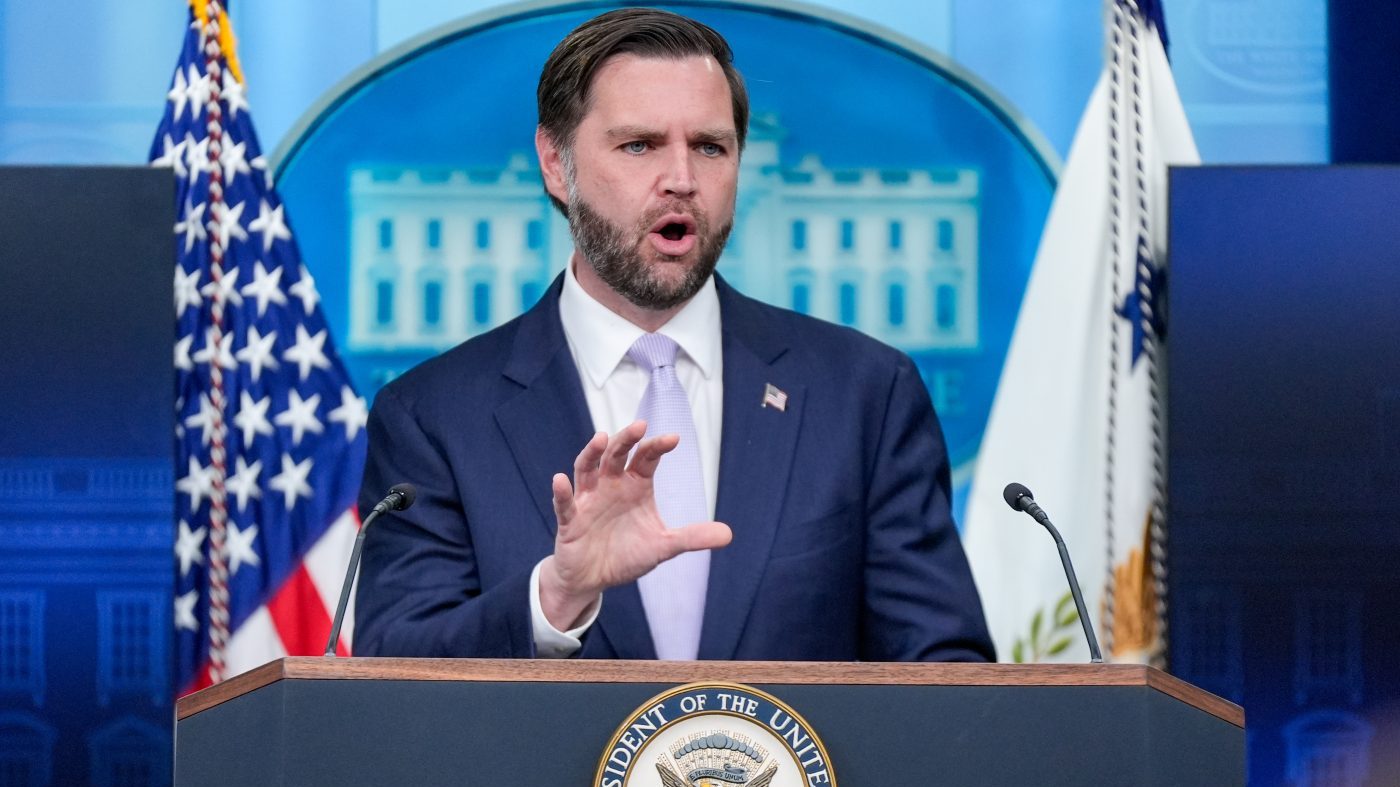
Vice President JD Vance on Tuesday pushed back against European criticism of the Pentagon's abrupt decision to halt a planned rotation of 4,000 U.S. troops to Poland, characterizing the move as a routine delay rather than a reduction in force. Speaking at a White House briefing, Vance accused European media outlets of exaggerating the significance of the pause, which he described as a minor operational adjustment.
“We’ve not reduced the troop levels in Poland by 4,000 troops. What we did is that we delayed a troop deployment that was going to go to Poland. That’s not a reduction, that’s just a standard delay and rotation that sometimes happens in these situations,” Vance told reporters. He added, “I think frankly a lot of the European media is overreacting to this a bit.”
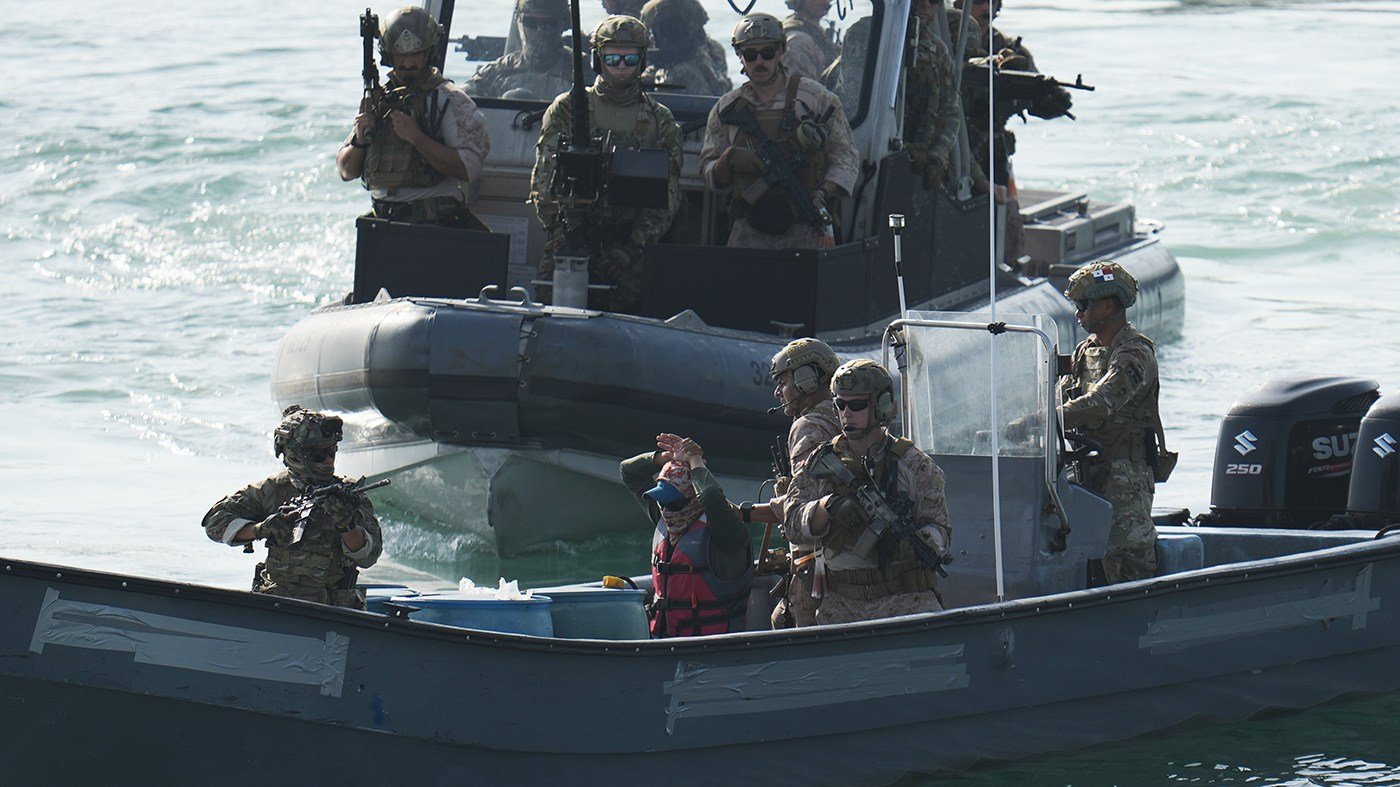
Vance’s comments came amid growing unease in Warsaw and on Capitol Hill over the Pentagon’s last-minute decision to suspend the deployment, which had already seen some elements move forward with equipment in transit. The vice president offered no explanation for why the rotation was paused, but he stressed that the United States remains committed to European security while urging allies to shoulder more of the burden.
“It is reasonable for Europe to take a little bit more ownership over its continental integrity,” Vance said. He argued that shifting resources within Europe could ultimately strengthen U.S. security posture, though he acknowledged that a final destination for the delayed forces had not been determined.
Polish Deputy Prime Minister Władysław Kosiniak-Kamysz sought to downplay the friction, noting that he had spoken with Defense Secretary Pete Hegseth, who “confirmed that the United States’ commitment to Poland’s defense and security remains unchanged.” In a post on X, Kosiniak-Kamysz said, “The process of repositioning U.S. Army forces and resources in Europe is underway.”
On Capitol Hill, Republican lawmakers expressed frustration over the lack of consultation. House Armed Services Committee Chair Mike Rogers (R-Ala.) told Army Secretary Dan Driscoll and acting Army Chief of Staff Gen. Christopher LaNeve during a hearing, “We don’t know what’s going on here, but I just tell you we’re not happy with what’s being talked about, particularly since there’s been no statutory consultation with us.” Neither Driscoll nor LaNeve could explain why the rotation was paused.
Rep. Don Bacon (R-Neb.) revealed that Polish officials were caught off guard. “They called me yesterday, they did not know, they were blindsided,” Bacon said. “These are some of our best allies, and they had no idea. They still don’t know what the plan is.”
The decision to halt the troop rotation comes just two weeks after President Donald Trump ordered the Pentagon to withdraw 5,000 troops from Germany amid a diplomatic spat with German Chancellor Friedrich Merz. Rogers and Senate Armed Services Committee Chair Roger Wicker (R-Miss.) warned that the pause sends “the wrong signal” to Russian President Vladimir Putin.
When pressed on why the administration appears to be rewarding Russia while puzzling Poland, Vance pivoted to a broader vision of European self-reliance. “We’re not talking about pulling every single American troop out of Europe. We’re talking about shifting some resources around in a way that maximizes American security. I don’t think that’s bad for Europe,” he said. He added that the paused forces “could go elsewhere in Europe,” but the final decision on their redeployment has not been made.
The episode has reignited debate over the Trump administration’s approach to NATO allies and its willingness to recalibrate U.S. military commitments on the continent. Vance’s measured tone at the briefing — a contrast to the more combative style seen in recent weeks — did little to quell concerns among European partners who view the halt as a signal of waning U.S. reliability.