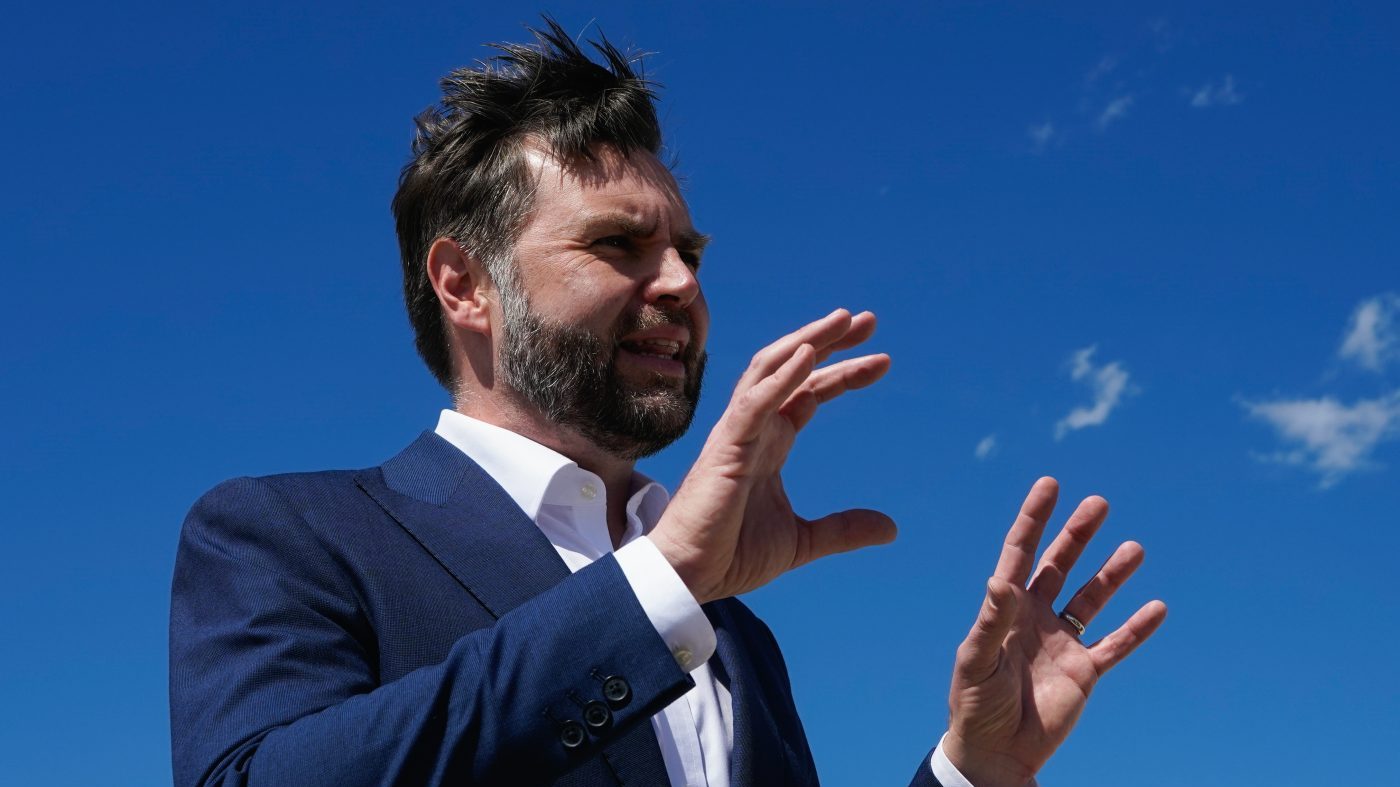
Vice President Vance on Monday declared that direct negotiations between the Trump administration and Iranian officials at the Bürgenstock ski resort in Switzerland yielded significant progress, describing the session as a pivotal step toward a comprehensive agreement.
“Yesterday was a very, very good day. We made a lot of good progress. We did exactly what we wanted to do,” Vance said in a statement following the talks, which marked the first face-to-face encounter since the two countries signed a memorandum of understanding last week.

The vice president outlined four key accomplishments from the talks, including the establishment of mechanisms to demine the Strait of Hormuz and a deconfliction framework for the regional ceasefire. He also noted that technical negotiations would follow, with a clear process now in place.
In a major development, Vance confirmed that Tehran has agreed to allow the International Atomic Energy Agency (IAEA) back into the country, calling it “a major milestone for the American people.” He added, “That’s exactly what we wanted to do. That’s exactly what we asked to happen. We made a lot of great progress on other nuclear talks.”
The talks, originally scheduled for Friday, were postponed due to an escalation in fighting between Israel and the Iranian-backed Hezbollah in Lebanon. The delay underscored the fragile regional dynamics that shadow the negotiations, as Trump had previously warned Iran over its proxies.
Vance arrived in Switzerland alongside Trump’s special envoy Steve Witkoff and the president’s son-in-law Jared Kushner. The preliminary agreement triggered a 60-day timeline to finalize a permanent end to hostilities, reopen the Strait of Hormuz, and resolve disputes over Iran’s nuclear program.
Pakistani leaders, including Prime Minister Shehbaz Sharif and Army Chief Field Marshal Asim Munir, as well as Qatari Prime Minister Sheikh Mohammed bin Abdulrahman Al Thani, were also present. Pakistan has served as a mediator between the U.S. and Iran throughout the talks aimed at ending the war.
Vance said he would depart Switzerland shortly, but technical teams will remain to continue work under proper oversight. “I’m about to go back home to the United States, but the technical teams are going to be working with proper oversight to make sure that we’re accomplishing the objectives that matter for everybody,” he said.
The breakthrough comes amid ongoing debate over the deal’s concessions, with some GOP lawmakers already voicing concerns. One Republican lawmaker acknowledged the deal has concessions but called it a 'work in progress', highlighting the political tightrope the administration must walk.