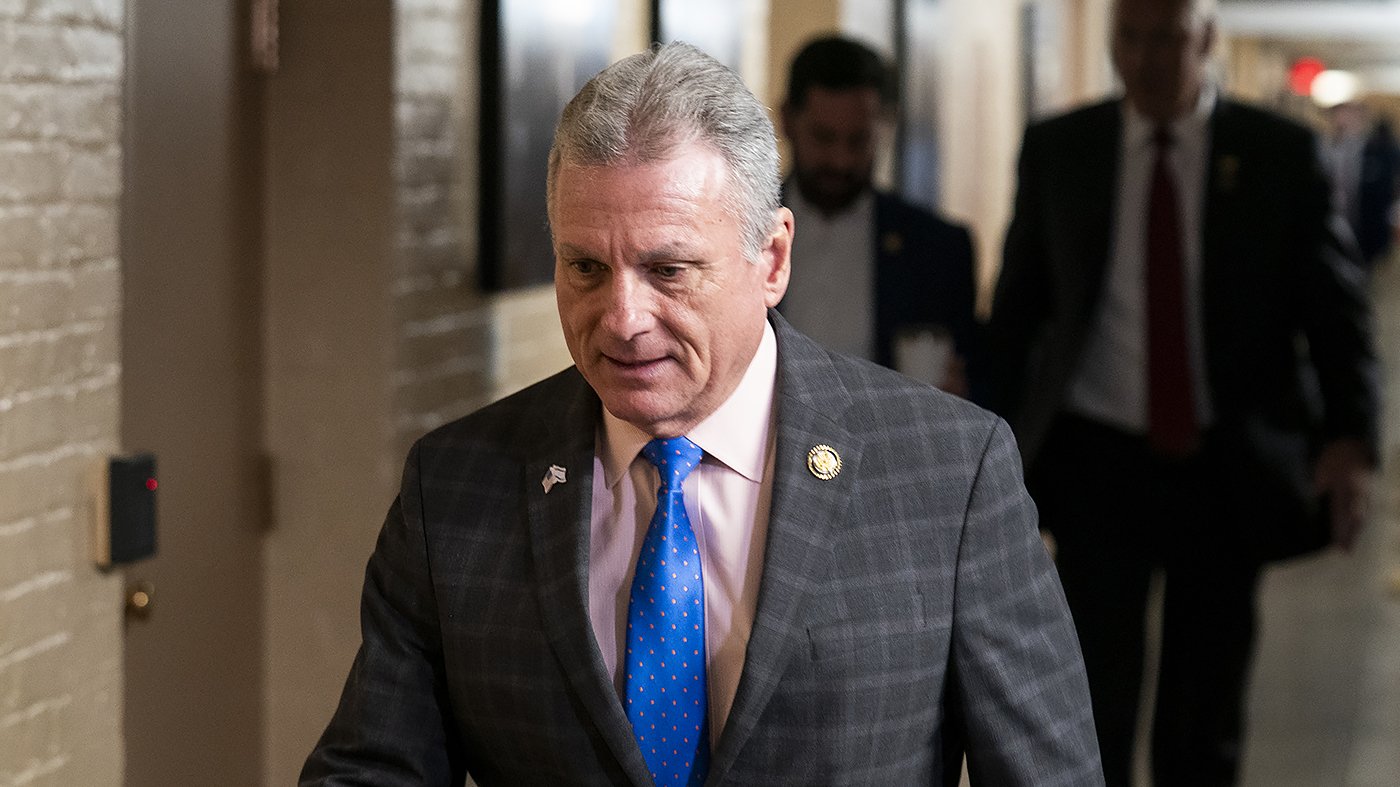
Republican Representative Buddy Carter of Georgia admitted Sunday that the Trump administration's recent memorandum of understanding with Iran contains significant concessions, but he framed the deal as a dynamic, performance-driven framework still under construction.
“There are a lot of concessions, but let’s keep in mind that this is a work in progress,” Carter said on NewsNation’s “The Hill Sunday.” He emphasized that the MOU is “laced with performance enhancements” and that Iran’s compliance would determine whether it receives rewards. “If they perform, if they follow through on their responsibilities, then they’ll be rewarded for it,” he added.

The MOU, signed last week, outlines a pathway to billions of dollars in reconstruction aid for Iran, a complete ceasefire in Lebanon, and the eventual termination of all U.S. sanctions on Tehran. The document has sparked intense debate among lawmakers, many of whom remain skeptical about the administration’s ability to enforce a long-term peace deal.
Senator Lindsey Graham of South Carolina was blunt in his assessment. “I think it’s going to fail,” he said Sunday on CBS News’s “Face the Nation,” echoing concerns from other Republicans who view the agreement as too lenient on Iran. The MOU triggers a 60-day negotiation period, during which President Trump has pledged to address oversight of Iran’s nuclear programs.
But the deal’s future is already uncertain. On Saturday, Iran accused the United States of breaching the agreement, raising doubts about whether the framework can hold. The accusation comes as Republicans continue to question the administration’s motives and strategy, with some labeling the MOU a “surrender document.”
The internal GOP rift over the Iran deal has been building for weeks. Republican lawmakers have revolted over secrecy and nuclear loopholes, demanding more transparency. Meanwhile, Trump has touted progress on the Iran front while pressing Israeli Prime Minister Benjamin Netanyahu on Lebanon at the G7.
Critics argue that the MOU’s incentive-based structure is flawed. “It depends on what Iran does,” Carter acknowledged, but skeptics like Graham see little reason for trust. The 60-day window for further talks will test whether the administration can bridge the gap between its promises and the realities of Iranian behavior.
As the clock ticks, the White House faces a dual challenge: convincing a skeptical Congress and managing Tehran’s demands. For now, the deal remains a fragile work in progress—one that could either reshape the Middle East or collapse under the weight of its own concessions.